
SEARCH WHAT YOU WANT
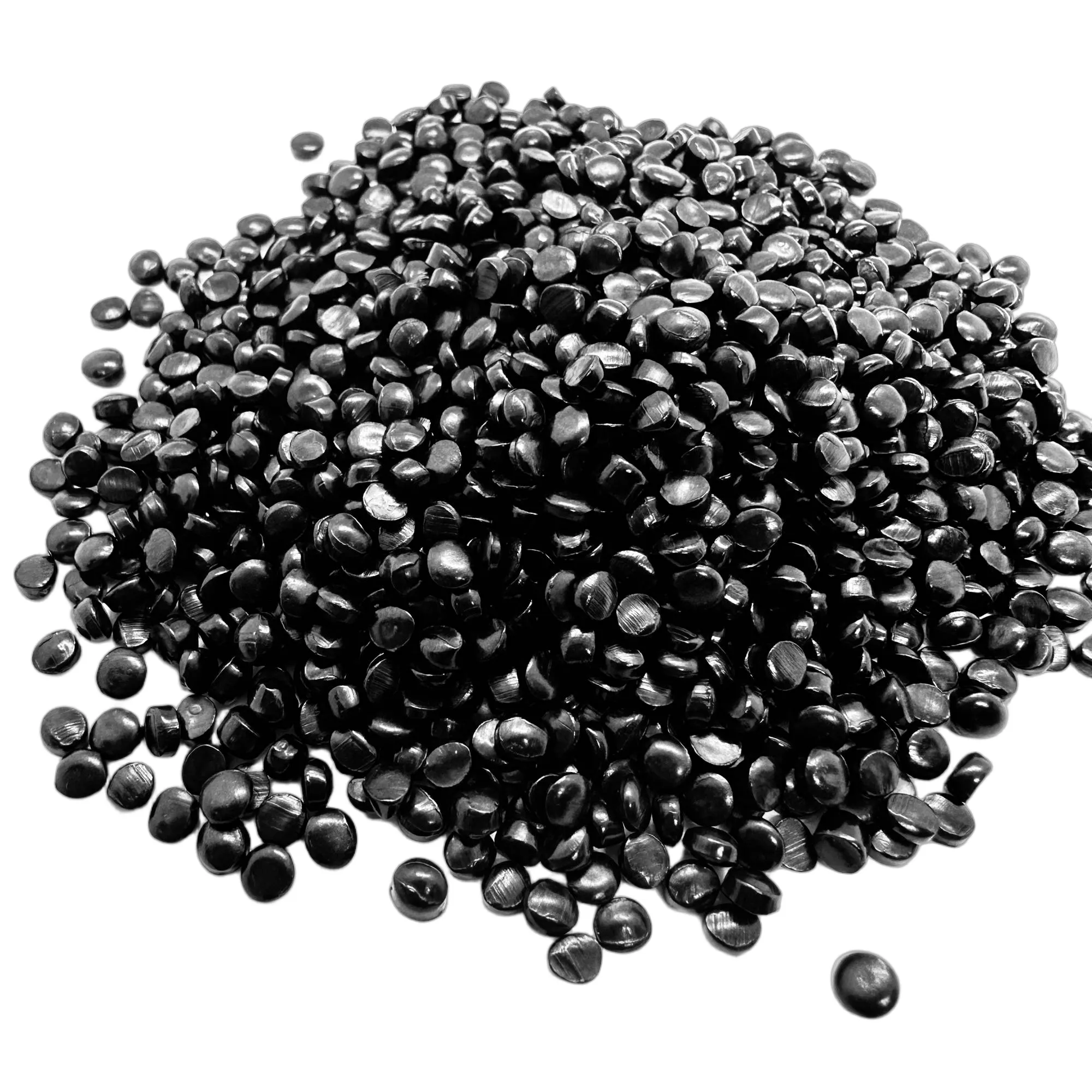
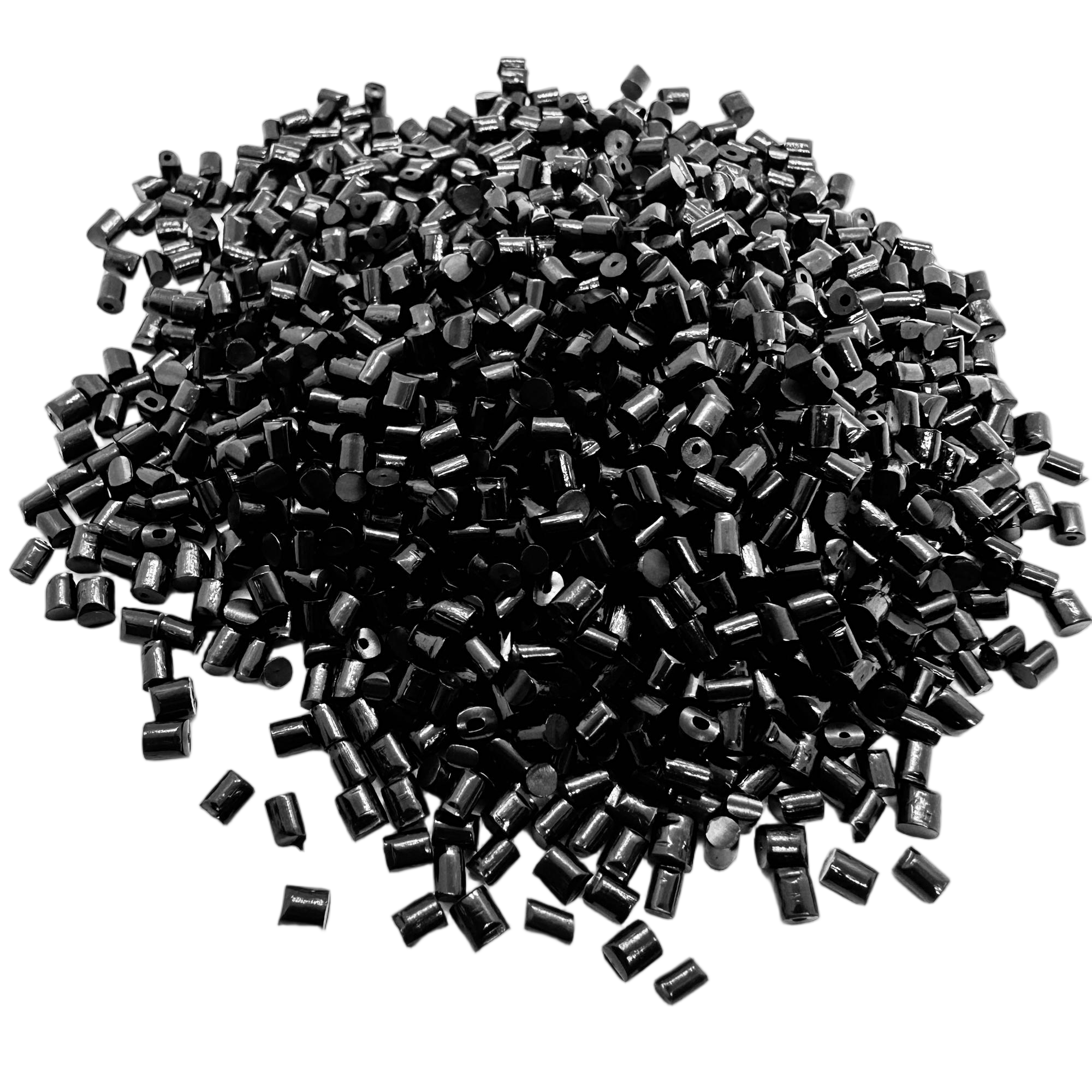
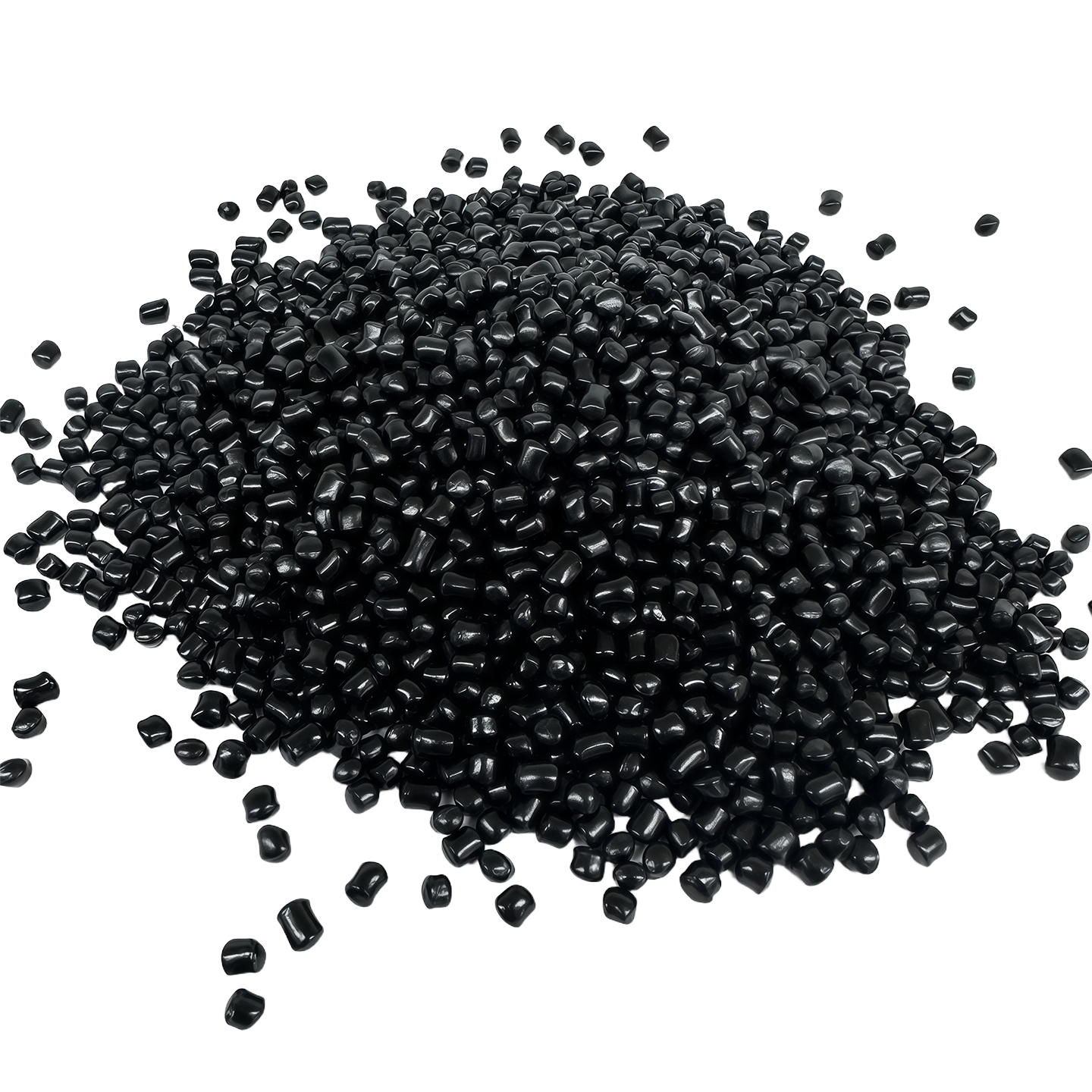
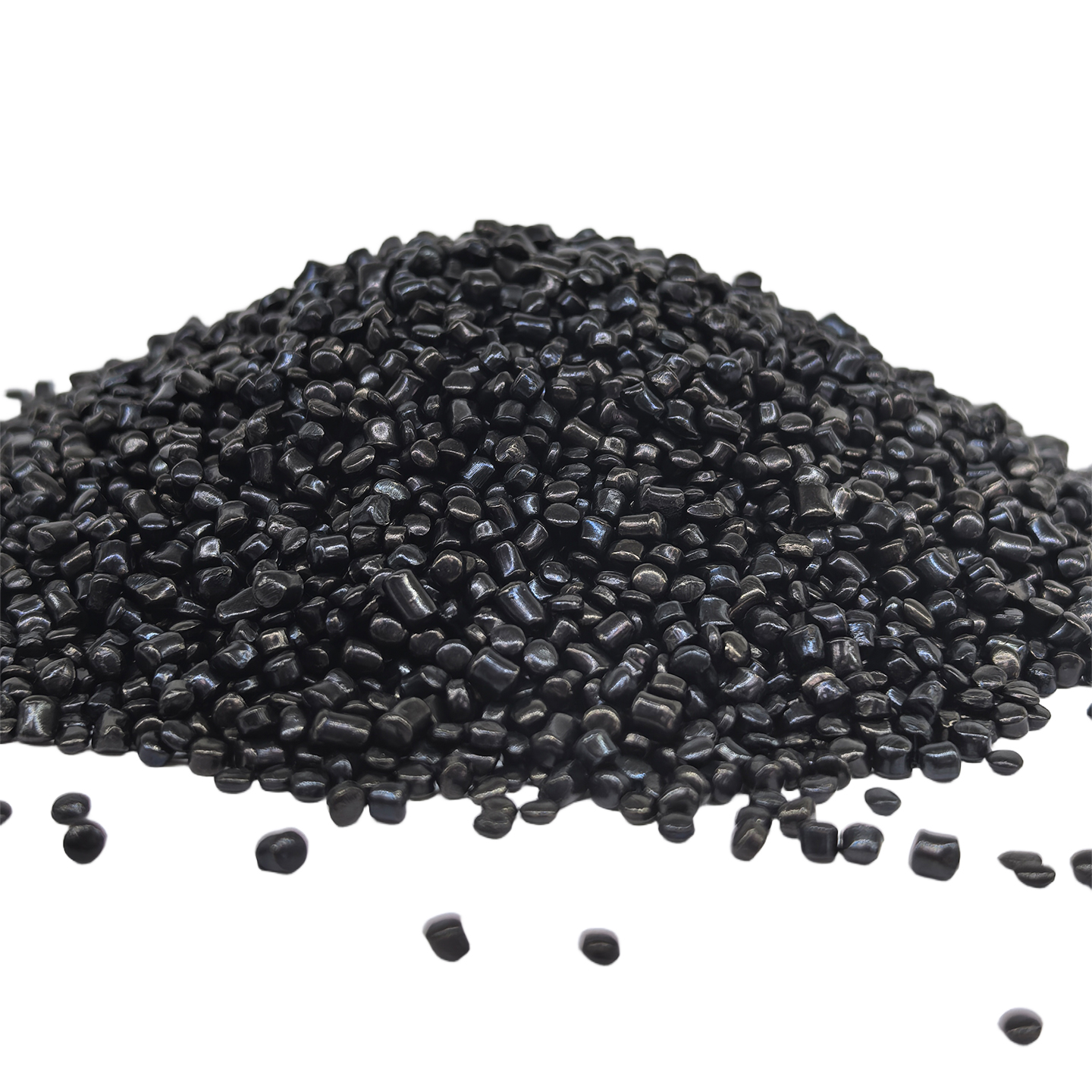
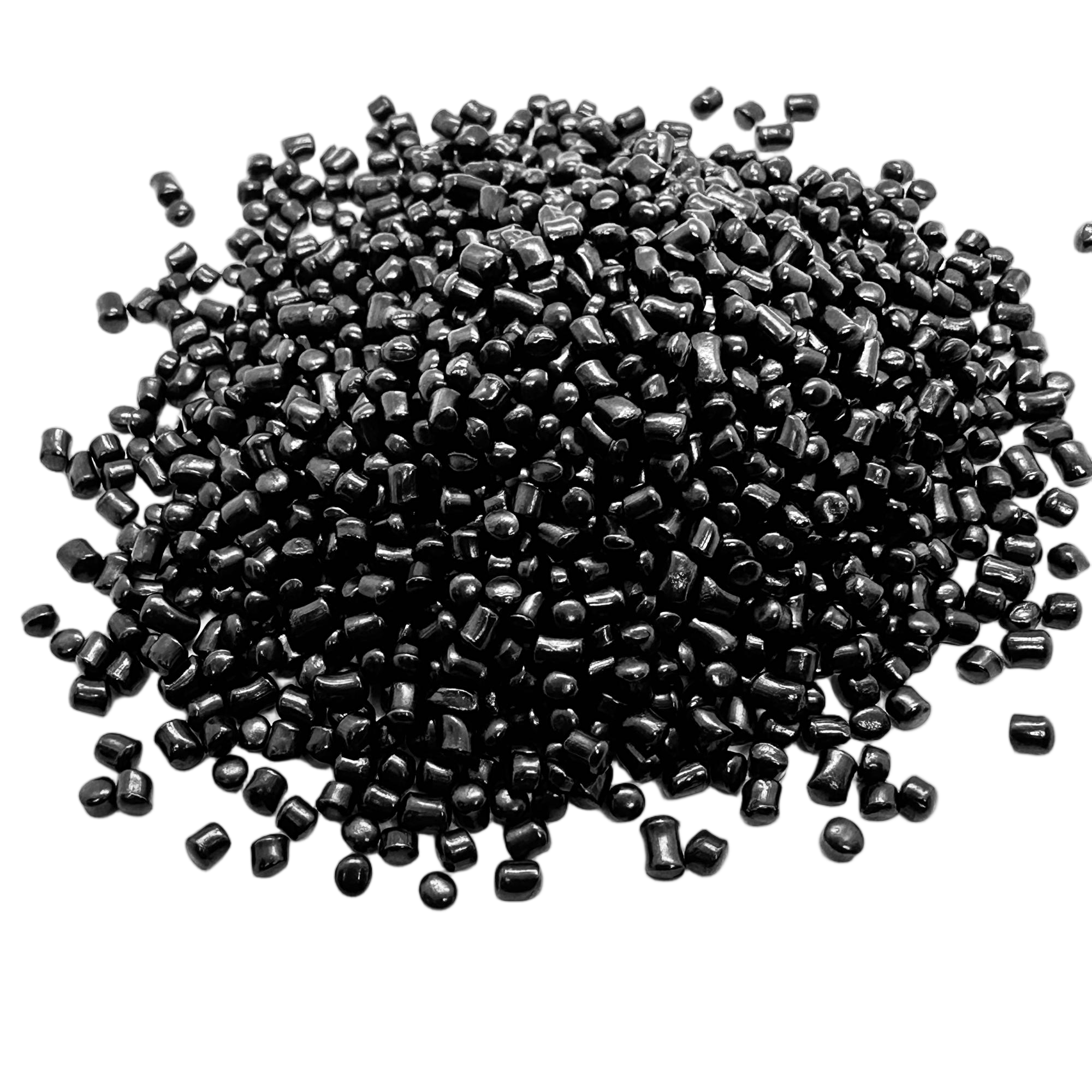
Stable Dispersion & Excellent Hiding Concentrated Mulch Black Masterbatch WMULCH-1
 |
 |
Introduction
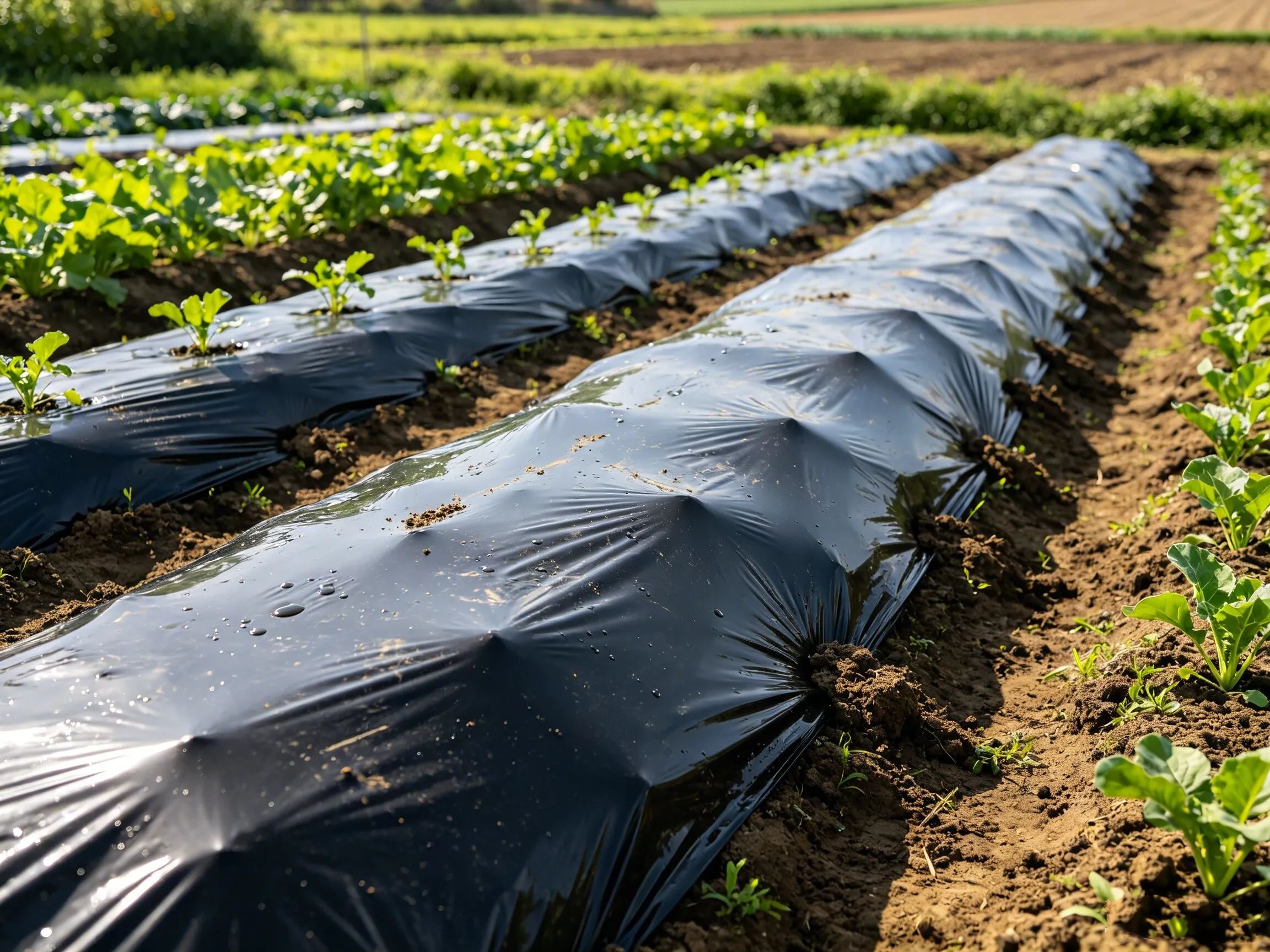
Mulch film is judged in the field, not in the warehouse. By the time a roll reaches the bed former, three things have already decided how the film will behave for the rest of the season:
how much carbon black is genuinely in the film, how evenly that carbon black is spread through a gauge that can be thinner than 15 μm,
and how well the polymer itself is protected once the film is down.
WMULCH-1 is 45% carbon black masterbatch built on polyethylene carrier and developed for blown agricultural film.
It is specified backwards from the film to reach a 2.0–3.0% carbon black level in the finished mulch at a practical let-down,
with the moisture level and dispersion quality that thin agricultural gauges cannot tolerate.
The sections below set out that engineering : how to calculate your own let-down, how to verify the delivery before it goes into the hopper,
what the black layer actually does agronomically, and where the honest limits of this grade lie.
WMULCH-1 is produced by unique process in which carbon black is pre-dispersed, then compounded with the basic resin through plastication.
It is widely used in film blowing , blowing plastic and fiber applications. Suitable for PP and PE materials.
It features low dosage, high blackness, good brightness, excellent heat resistance, outstanding dispersibility and tinting power, and minimal impact on the physical properties of the final product.
Specification traceability
Start from the film, not from the pellet
Most masterbatch data sheets answer the wrong question. They describe the pellet, while buyers are judged on the film.
Each row below starts with something that happens in the field or on the line, and traces it back to the masterbatch parameter that controls it.
| What the film has to do | Masterbatch parameter that governs it | WMULCH-1 |
| Keep 2.0–3.0% carbon black level in the finished film | Carbon black content and let-down ratio | 45% ±1.5% with PE carrier |
| With a stable bubble and consistent standard at line speed | Melt flow index (MFI) matched to the base resin | MFI 1–10 g/10 min (190 °C / 10 kg) |
| Suppress weeds by excluding photosynthetically active radiation |
Carbon black level × film gauge, and the uniformity of dispersion |
Full opacity achievable inside the 2.0–3.0% band at standard mulch sizes |
| Running shift without screen changes or pressure spikes | Ash and coarse-particle content | Low ash; filter pressure value (FPV) available meet EN 13900-5 |
| Blend cleanly with LDPE, LLDPE and filled systems | Carrier resin chemistry | Polyethylene carrier, miscible with standard mulch film resins |
| Stay free of pinholes at gauges below 20 μm | Moisture content | ≤0.30% |
| Clear customs and customer specifications in regulated markets | Declared substance compliance | RoHS, REACH, TSCA |
| Survive 60 to180 days more outdoors without embrittling |
Dispersion quality of the carbon black and compatibility with the stabiliser package of the film |
Clean dispersion, low ash , designed to sit alongside a HALS / antioxidant system in the film formulation |
Field function Specification — what the black layer does
What the black layer actually does in the field
Light exclusion. Weeds need photosynthetically active radiation to establish.
An opaque film denies it to them. The benefit depends entirely on uniformity : a thin strip or a poorly dispersed zone is a light leak, and the light leak becomes weedy patch in few weeks.
Heat behaviour : the part that is usually described wrongly.
Black film is often called the warming mulch, and the measurement is more interesting than the description.
Because black absorbs most incident solar radiation at the film surface instead of transmitting it, soil under black film is not much warmer than bare soil during the day,
and under some conditions it is slightly cooler.
The real difference appears at night: soil beneath black film typically stays 0.5–4 °C above bare ground, and black film warms soil to working depth of around 8–10 cm.
Clear film behaves in the opposite way, running roughly 2–10 °C above bare soil by day.
That is why clear film is chosen where maximum early-season warming matters and weeds can be controlled by other means, and why black remains the most widely used mulch colour worldwide.
| Mulch colour | Soil temperature effect | Weed suppression | Where growers choose it |
| Black |
+2 to +5 °C by day at 2 in. depth; +0.5 to +4 °C at night, against bare soil |
Good |
The default mulch colour; warmer-season vegetables, high weed pressure |
| White-on-black | 1–3 °C cooler than black; below bare soil | Good |
Late-summer and autumn crops; heat-sensitive root zones |
Indicative ranges compiled from extension-service field guidance (NC State Extension; New Mexico State University Extension; Washington State University Small Fruit Horticulture Program).
Real values vary with depth, soil moisture, film-to-soil contact, latitude and season.
Polymer protection. Carbon black shields polyethylene physically rather than chemically — it screens ultraviolet radiation instead of being consumed by it.
In outdoor exposure comparisons, unpigmented polyethylene loses useful mechanical properties in under a year, while polyethylene carrying a properly dispersed 2.0–2.5% carbon black load lasts well over two years.
Two conditions decide whether that protection actually materialises, the carbon black must be fine, and the particles must be separated from one another.
Coarse or agglomerated carbon black leaves parts of the film effectively unshielded, and those are the areas that fail first.
Moisture retention. The film's barrier function is mechanical, not chemical , the pigment contributes nothing directly.
What matters is that the film stays intact and in contact with the soil for the whole season. A film that develops pinholes in week three has stopped earning its cost long before harvest.
Failure modes
What makes mulch film fail and which part of the masterbatch is responsible for
Field failures are usually blamed on the film. Tracing them back to the masterbatch is faster than arguing about it, and it tells you what to test on the next delivery.
| What you see | Where it shows up | Likely masterbatch-side cause | What to check |
| Zebra striping and streaks across the web | Parallel bands of lighter and darker black | Poor distributive mixing, or a melt index mismatch between masterbatch and base resin | MFI match within roughly ±15% of the base resin; feeder accuracy on the dosing unit |
| Pinholes and bubble perforation in thin film | Pinholes distributed across the web, worse after humid storage | Moisture vaporising in the barrel | Moisture specification (≤0.30%); whether opened bags were resealed; pre-dry at 70 °C for 2 h if bags saw above 80% RH |
| Dull, orange-peel surface | Loss of gloss across the whole roll | Coarse carbon black or a filler-heavy masterbatch, low melt flow at high output | Ash content; carbon black grade; whether filler has been substituted into the compound |
| Fish eyes, black specks | Visible dots under transmitted light | Undispersed carbon black agglomerate larger than the film gauge | Dispersion rating on microtomed sections; FPV; whether the grade is a film grade at all |
| Die-lip deposit and plate-out | Deposits at the die lip scoring the film | Ash and low-molecular-weight species migrating to the surface | Ash content; die temperature against the stabiliser system's thermal ceiling |
| Tearing during laying or removal | Edges tearing, low elongation | Over-dosing, above roughly 3% carbon black in the film | Re-check let-down against the dosage table; tensile and elongation data |
| Weeds emerging in patches | Weedy strips following the rows | Light leaks from gauge variation or thin black zones | Light transmittance on samples taken from both edges and the centre of the web |
| Film embrittles mid-season and cracks along the fold line | Cracking before the season it was sold for | Carbon black below 2% in the film, or unevenly distributed | Carbon black in film by ASTM D1603; dispersion uniformity across the web width |
| Screen pressure climbing within a shift | Rising head pressure, frequent screen changes | Agglomerates and inorganic loading retained on the screen pack | FPV against EN 13900-5; ash content; screen pack specification |
If you are diagnosing the failure right now, send us the film sample and the line log. We will return the written specification review rather than just quotation.
Technical Parameter of Black Masterbatch WMULCH-1
| Carbon Content | 45%±1.5 |
| Carrier | PE |
| MFI | 1-10 (g/ 10min(190℃ 10kg) |
| Moisture | ≤0.3% |
| Dispersion | Excellent (≤ Level 3) |
| Compliance | RoHS REACH TSCA |
| Application | Injection (Mirror Effect) , Blow film (Casting,courier,geotextile membrane), Fiber |
| Dosage Advice | Film blowing: 4.0–8.0% Injection: 0.8–2.0% |
| OEM | Accpeted |
Line commissioning
Commissioning WMULCH-1 on your blown film line
Five steps as below :
1. Start in the middle , not at the edge.
Begin with 5.5–6.0% let-down, which lands at 2.5–2.7% carbon black in the film. Qualifying at the extremes first tells you nothing about where you will actually run.
2. Blend properly.
Tumble blend with the base resin for 3–5 minutes before the hopper.
Above roughly 800 kg/h, use gravimetric dosing rather than volumetric , the accuracy of the feeder is a bigger variable at that throughput than the masterbatch itself.
3. Stay inside your own temperature window.
WMULCH-1 is PE carrier masterbatch, run it inside the profile you already use for your base resin.
For LDPE and LLDPE mulch lines this generally sits in the 160–215 °C range, and we recommend capping sustained melt temperature at 230 °C to protect the carrier.
No pre-drying is needed under normal storage; if the masterbatch bags have been exposed to humidity above 80% RH, pre-dry at 70 °C for 2 hours.
4. Read the bubble.
Check gauge uniformity across the web, look for gels and specks under transmitted light, and confirm the bubble is stable at your target line speed.
Take samples from both edges and the centre, not just from the middle.
5. Qualify before you scale.
Run the light-transmittance check to ASTM D1003 and carbon black content to ASTM D1603 on the film sample.
If the gauge is below 15 μm, add one microtomy dispersion check on the first roll at that thickness, dispersion is the specification you are really buying.
Scale to production after two consecutive stable rolls.
When you switch back to natural resin, purge with an HDPE compound to clear residual pigment from the screw flights.
The above instructions are based solely on general models or laboratory experience.
The specific methods and results need to be adjusted and tested by the buyer according to their own equipment, processing conditions, materials and other various factors.
FAQ
Questions we are asked before ordering
Your published let-down for film is 4–8%. Other suppliers quote 1–3%. Why the difference?
What protects the film is the carbon black that ends up inside it, and the same let-down produces very different film-level results depending on how concentrated the masterbatch is.
Work backwards from the 2.0–3.0% carbon black your film needs, using the formula above, and ask every supplier for that same figure: carbon black in the film at their recommended dose.
It is the only number that travels.
Can I compare melt flow index values between suppliers directly?
Only when the test conditions match. MFI is measured at specified temperature and load, and 190 °C / 10 kg and 190 °C / 21.6 kg are different tests whose results are not interchangeable.
Ask for the condition alongside the value, and check that the masterbatch sits within roughly ±15% of your base resin.
Will WMULCH-1 work in calcium carbonate (CACO3) filled mulch formulation?
Yes. The concern with filled formulation is total inorganic load reaching the screen pack, and because ash is kept low this masterbatch adds little to what the filler already contributes.
If your filler level is high, run the first roll with fresh screen pack and log the pressure rise , that reading tells you more than any data sheet.
How thin can the film go and still be fully opaque?
Opacity is carbon black level multiplied by gauge, so there is practical floor.
Inside the agronomic ceiling of about 2.5–3.0% carbon black in the film, below roughly 15 μm the margin gets tight, and dispersion quality rather than dosage becomes the limiting factor.
Tell us the gauge you need to hit and we will tell you what is realistic — including when the answer is that a thicker gauge is the better commercial decision.
What happens if I overdose?
Above about 3% carbon black in the film, UV protection barely improves while tensile strength and elongation at break start to fall.
You also increase screen loading and cost. Over-dosing is common and easily avoidable cause of film that tears during laying or during removal.
How do I confirm the carbon black level in my finished film?
ASTM D1603 on a film sample.
Take samples from both edges and the centre of the web edge-to-centre variation is the quickest tell on dispersion quality, and it is far more informative than a single average.
Does the black fade during the season?
Carbon black screens ultraviolet radiation physically and is not consumed the way an organic absorber is, so it does not fade out of the film.
If you see chalking or surface change over the season, that points to insufficient carbon black in the film or an exhausted stabiliser package, not to the pigment disappearing.
What is the shelf life, and how should it be stored?
Store in a dry, enclosed, cool space away from UV and direct sunlight, and reseal opened bags.
Sealed pellets hold their performance for a long period; moisture is the real risk, not age. If a bag has been open in a humid warehouse, pre-dry at 70 °C for 2 hours.
Can you supply a black masterbatch for soil-biodegradable mulch film?
Not this grade. WMULCH-1 is polyethylene carrier masterbatch for conventional polyolefin film.
Soil-biodegradable films built on PBAT, starch or PLA systems need a matched carrier and a different stabiliser strategy.
Ask us anyway — we would rather point you to the right formulation discussion than sell you the wrong grade.
Packing and Storage
25kg/bag, PE or Composite Paper bag
Stored under dry, enclosed and cool conditions, protected from UV rays and/or direct sunlight. After used, the opened packaging must be resealed properly to prevent the product from absorbing moisture, which could affect its performance.
Note
The technical results are typical values and are provided for customer reference only. They are not to be regarded as a guarantee of minimum or maximum quality specifications.
|
Introduction
Mulch film is judged in the field, not in the warehouse. By the time a roll reaches the bed former, three things have already decided how the film will behave for the rest of the season:
how much carbon black is genuinely in the film, how evenly that carbon black is spread through a gauge that can be thinner than 15 μm,
and how well the polymer itself is protected once the film is down.
WMULCH-1 is 45% carbon black masterbatch built on polyethylene carrier and developed for blown agricultural film.
It is specified backwards from the film to reach a 2.0–3.0% carbon black level in the finished mulch at a practical let-down,
with the moisture level and dispersion quality that thin agricultural gauges cannot tolerate.
The sections below set out that engineering : how to calculate your own let-down, how to verify the delivery before it goes into the hopper,
what the black layer actually does agronomically, and where the honest limits of this grade lie.
WMULCH-1 is produced by unique process in which carbon black is pre-dispersed, then compounded with the basic resin through plastication.
It is widely used in film blowing , blowing plastic and fiber applications. Suitable for PP and PE materials.
It features low dosage, high blackness, good brightness, excellent heat resistance, outstanding dispersibility and tinting power, and minimal impact on the physical properties of the final product.
Specification traceability
Start from the film, not from the pellet
Most masterbatch data sheets answer the wrong question. They describe the pellet, while buyers are judged on the film.
Each row below starts with something that happens in the field or on the line, and traces it back to the masterbatch parameter that controls it.
| What the film has to do | Masterbatch parameter that governs it | WMULCH-1 |
| Keep 2.0–3.0% carbon black level in the finished film | Carbon black content and let-down ratio | 45% ±1.5% with PE carrier |
| With a stable bubble and consistent standard at line speed | Melt flow index (MFI) matched to the base resin | MFI 1–10 g/10 min (190 °C / 10 kg) |
| Suppress weeds by excluding photosynthetically active radiation |
Carbon black level × film gauge, and the uniformity of dispersion |
Full opacity achievable inside the 2.0–3.0% band at standard mulch sizes |
| Running shift without screen changes or pressure spikes | Ash and coarse-particle content | Low ash; filter pressure value (FPV) available meet EN 13900-5 |
| Blend cleanly with LDPE, LLDPE and filled systems | Carrier resin chemistry | Polyethylene carrier, miscible with standard mulch film resins |
| Stay free of pinholes at gauges below 20 μm | Moisture content | ≤0.30% |
| Clear customs and customer specifications in regulated markets | Declared substance compliance | RoHS, REACH, TSCA |
| Survive 60 to180 days more outdoors without embrittling |
Dispersion quality of the carbon black and compatibility with the stabiliser package of the film |
Clean dispersion, low ash , designed to sit alongside a HALS / antioxidant system in the film formulation |
Field function Specification — what the black layer does
What the black layer actually does in the field
Light exclusion. Weeds need photosynthetically active radiation to establish.
An opaque film denies it to them. The benefit depends entirely on uniformity : a thin strip or a poorly dispersed zone is a light leak, and the light leak becomes weedy patch in few weeks.
Heat behaviour : the part that is usually described wrongly.
Black film is often called the warming mulch, and the measurement is more interesting than the description.
Because black absorbs most incident solar radiation at the film surface instead of transmitting it, soil under black film is not much warmer than bare soil during the day,
and under some conditions it is slightly cooler.
The real difference appears at night: soil beneath black film typically stays 0.5–4 °C above bare ground, and black film warms soil to working depth of around 8–10 cm.
Clear film behaves in the opposite way, running roughly 2–10 °C above bare soil by day.
That is why clear film is chosen where maximum early-season warming matters and weeds can be controlled by other means, and why black remains the most widely used mulch colour worldwide.
https://www.jolink-masterbatches.com/case/solutions-for-packaging-industry
| Mulch colour | Soil temperature effect | Weed suppression | Where growers choose it |
| Black |
+2 to +5 °C by day at 2 in. depth; +0.5 to +4 °C at night, against bare soil |
Good |
The default mulch colour; warmer-season vegetables, high weed pressure |
| White-on-black | 1–3 °C cooler than black; below bare soil | Good |
Late-summer and autumn crops; heat-sensitive root zones |
Indicative ranges compiled from extension-service field guidance (NC State Extension; New Mexico State University Extension; Washington State University Small Fruit Horticulture Program).
Real values vary with depth, soil moisture, film-to-soil contact, latitude and season.
Polymer protection. Carbon black shields polyethylene physically rather than chemically — it screens ultraviolet radiation instead of being consumed by it.
In outdoor exposure comparisons, unpigmented polyethylene loses useful mechanical properties in under a year, while polyethylene carrying a properly dispersed 2.0–2.5% carbon black load lasts well over two years.
Two conditions decide whether that protection actually materialises, the carbon black must be fine, and the particles must be separated from one another.
Coarse or agglomerated carbon black leaves parts of the film effectively unshielded, and those are the areas that fail first.
Moisture retention. The film's barrier function is mechanical, not chemical , the pigment contributes nothing directly.
What matters is that the film stays intact and in contact with the soil for the whole season. A film that develops pinholes in week three has stopped earning its cost long before harvest.
Failure modes
What makes mulch film fail and which part of the masterbatch is responsible for
Field failures are usually blamed on the film. Tracing them back to the masterbatch is faster than arguing about it, and it tells you what to test on the next delivery.
| What you see | Where it shows up | Likely masterbatch-side cause | What to check |
| Zebra striping and streaks across the web | Parallel bands of lighter and darker black | Poor distributive mixing, or a melt index mismatch between masterbatch and base resin | MFI match within roughly ±15% of the base resin; feeder accuracy on the dosing unit |
| Pinholes and bubble perforation in thin film | Pinholes distributed across the web, worse after humid storage | Moisture vaporising in the barrel | Moisture specification (≤0.30%); whether opened bags were resealed; pre-dry at 70 °C for 2 h if bags saw above 80% RH |
| Dull, orange-peel surface | Loss of gloss across the whole roll | Coarse carbon black or a filler-heavy masterbatch, low melt flow at high output | Ash content; carbon black grade; whether filler has been substituted into the compound |
| Fish eyes, black specks | Visible dots under transmitted light | Undispersed carbon black agglomerate larger than the film gauge | Dispersion rating on microtomed sections; FPV; whether the grade is a film grade at all |
| Die-lip deposit and plate-out | Deposits at the die lip scoring the film | Ash and low-molecular-weight species migrating to the surface | Ash content; die temperature against the stabiliser system's thermal ceiling |
| Tearing during laying or removal | Edges tearing, low elongation | Over-dosing, above roughly 3% carbon black in the film | Re-check let-down against the dosage table; tensile and elongation data |
| Weeds emerging in patches | Weedy strips following the rows | Light leaks from gauge variation or thin black zones | Light transmittance on samples taken from both edges and the centre of the web |
| Film embrittles mid-season and cracks along the fold line | Cracking before the season it was sold for | Carbon black below 2% in the film, or unevenly distributed | Carbon black in film by ASTM D1603; dispersion uniformity across the web width |
| Screen pressure climbing within a shift | Rising head pressure, frequent screen changes | Agglomerates and inorganic loading retained on the screen pack | FPV against EN 13900-5; ash content; screen pack specification |
If you are diagnosing the failure right now, send us the film sample and the line log. We will return the written specification review rather than just quotation. https://www.jolink-masterbatches.com/contact-us
Technical Parameter of Black Masterbatch WMULCH-1
| Carbon Content | 45%±1.5 |
| Carrier | PE |
| MFI | 1-10 (g/ 10min(190℃ 10kg) |
| Moisture | ≤0.3% |
| Dispersion | Excellent (≤ Level 3) |
| Compliance | RoHS REACH TSCA |
| Application | Injection (Mirror Effect) , Blow film (Casting,courier,geotextile membrane), Fiber |
| Dosage Advice | Film blowing: 4.0–8.0% Injection: 0.8–2.0% |
| OEM | Accpeted |
Line commissioning
Commissioning WMULCH-1 on your blown film line
Five steps as below :
1. Start in the middle , not at the edge.
Begin with 5.5–6.0% let-down, which lands at 2.5–2.7% carbon black in the film. Qualifying at the extremes first tells you nothing about where you will actually run.
2. Blend properly.
Tumble blend with the base resin for 3–5 minutes before the hopper.
Above roughly 800 kg/h, use gravimetric dosing rather than volumetric , the accuracy of the feeder is a bigger variable at that throughput than the masterbatch itself.
3. Stay inside your own temperature window.
WMULCH-1 is PE carrier masterbatch, run it inside the profile you already use for your base resin.
For LDPE and LLDPE mulch lines this generally sits in the 160–215 °C range, and we recommend capping sustained melt temperature at 230 °C to protect the carrier.
No pre-drying is needed under normal storage; if the masterbatch bags have been exposed to humidity above 80% RH, pre-dry at 70 °C for 2 hours.
4. Read the bubble.
Check gauge uniformity across the web, look for gels and specks under transmitted light, and confirm the bubble is stable at your target line speed.
Take samples from both edges and the centre, not just from the middle.
5. Qualify before you scale.
Run the light-transmittance check to ASTM D1003 and carbon black content to ASTM D1603 on the film sample.
If the gauge is below 15 μm, add one microtomy dispersion check on the first roll at that thickness, dispersion is the specification you are really buying.
Scale to production after two consecutive stable rolls.
When you switch back to natural resin, purge with an HDPE compound to clear residual pigment from the screw flights.
The above instructions are based solely on general models or laboratory experience.
The specific methods and results need to be adjusted and tested by the buyer according to their own equipment, processing conditions, materials and other various factors.
FAQ
Questions we are asked before ordering
Your published let-down for film is 4–8%. Other suppliers quote 1–3%. Why the difference?
What protects the film is the carbon black that ends up inside it, and the same let-down produces very different film-level results depending on how concentrated the masterbatch is.
Work backwards from the 2.0–3.0% carbon black your film needs, using the formula above, and ask every supplier for that same figure: carbon black in the film at their recommended dose.
It is the only number that travels.
Can I compare melt flow index values between suppliers directly?
Only when the test conditions match. MFI is measured at specified temperature and load, and 190 °C / 10 kg and 190 °C / 21.6 kg are different tests whose results are not interchangeable.
Ask for the condition alongside the value, and check that the masterbatch sits within roughly ±15% of your base resin.
Will WMULCH-1 work in calcium carbonate (CACO3) filled mulch formulation?
Yes. The concern with filled formulation is total inorganic load reaching the screen pack, and because ash is kept low this masterbatch adds little to what the filler already contributes.
If your filler level is high, run the first roll with fresh screen pack and log the pressure rise , that reading tells you more than any data sheet.
How thin can the film go and still be fully opaque?
Opacity is carbon black level multiplied by gauge, so there is practical floor.
Inside the agronomic ceiling of about 2.5–3.0% carbon black in the film, below roughly 15 μm the margin gets tight, and dispersion quality rather than dosage becomes the limiting factor.
Tell us the gauge you need to hit and we will tell you what is realistic — including when the answer is that a thicker gauge is the better commercial decision.https://www.jolink-masterbatches.com/contact-us
What happens if I overdose?
Above about 3% carbon black in the film, UV protection barely improves while tensile strength and elongation at break start to fall.
You also increase screen loading and cost. Over-dosing is common and easily avoidable cause of film that tears during laying or during removal.
How do I confirm the carbon black level in my finished film?
ASTM D1603 on a film sample.
Take samples from both edges and the centre of the web edge-to-centre variation is the quickest tell on dispersion quality, and it is far more informative than a single average.
Does the black fade during the season?
Carbon black screens ultraviolet radiation physically and is not consumed the way an organic absorber is, so it does not fade out of the film.
If you see chalking or surface change over the season, that points to insufficient carbon black in the film or an exhausted stabiliser package, not to the pigment disappearing.
What is the shelf life, and how should it be stored?
Store in a dry, enclosed, cool space away from UV and direct sunlight, and reseal opened bags.
Sealed pellets hold their performance for a long period; moisture is the real risk, not age. If a bag has been open in a humid warehouse, pre-dry at 70 °C for 2 hours.
Can you supply a black masterbatch for soil-biodegradable mulch film?
Not this grade. WMULCH-1 is polyethylene carrier masterbatch for conventional polyolefin film.
Soil-biodegradable films built on PBAT, starch or PLA systems need a matched carrier and a different stabiliser strategy.
Ask us anyway — we would rather point you to the right formulation discussion than sell you the wrong grade.https://www.jolink-masterbatches.com/products
Packing and Storage
25kg/bag, PE or Composite Paper bag
Stored under dry, enclosed and cool conditions, protected from UV rays and/or direct sunlight. After used, the opened packaging must be resealed properly to prevent the product from absorbing moisture, which could affect its performance.
Note
The technical results are typical values and are provided for customer reference only. They are not to be regarded as a guarantee of minimum or maximum quality specifications.
Previous: No more data
Next: No more data
Related Products
Structure-Enhanced SAN Black Masterbatch WM2A-WM2A
Structure-Enhanced SAN Black Masterbatch WM2A
Introduction WM2A is produced by high-pigment carbon black with AS as carrier and special dispersion agent. Its carbon black is stable and blue-shape grade. Suitable for ABS PC high glossy injection materials, also PPO PPS PA PET etc. thermoplastic ...
Structure-Enhanced PS Black Masterbatch WM626-WM626
Structure-Enhanced PS Black Masterbatch WM626
Introduction WM626 is produced by unique process in which carbon black is pre-dispersed, then compounded with the basic resin through plastication. It is widely used in extrusion and injection applications. Suitable for HIPS materials. It features lo...
Structure-Enhanced PC Black Masterbatch WM6245-WM6245
Structure-Enhanced PC Black Masterbatch WM6245
Introduction WM6245 is produced by unique process in which carbon black is pre-dispersed, then compounded with the basic resin through plastication. It is widely used in extrusion and high glossy injection applications. Suitable for PC ABS/PC materia...
Universal Environmentally Resistant Black Masterbatch WM72-WM72
Universal Environmentally Resistant Black Masterbatch WM72
Introduction WM72 is produced by unique process in which carbon black is pre-dispersed, then compounded with the basic resin through plastication. It is widely used in film blowing and injection applications. Suitable for PP and PE materials. It fea...
Enhanced UV Protection Black Masterbatch WM3F-WM3F
Enhanced UV Protection Black Masterbatch WM3F
Introduction WM3F is produced by unique process in which carbon black is pre-dispersed, then compounded with the basic resin through plastication. It is widely used in water supply pipe,drip irrigation pipe,corrugated pipe and film blowing applicati...
Environmentally Resistant Black Masterbatch WM3E-WM3E
Environmentally Resistant Black Masterbatch WM3E
Introduction WM3E is produced by unique process in which carbon black is pre-dispersed, then compounded with the basic resin through plastication. It is widely used in water supply pipe,drip irrigation pipe,corrugated pipe and film blowing applicati...
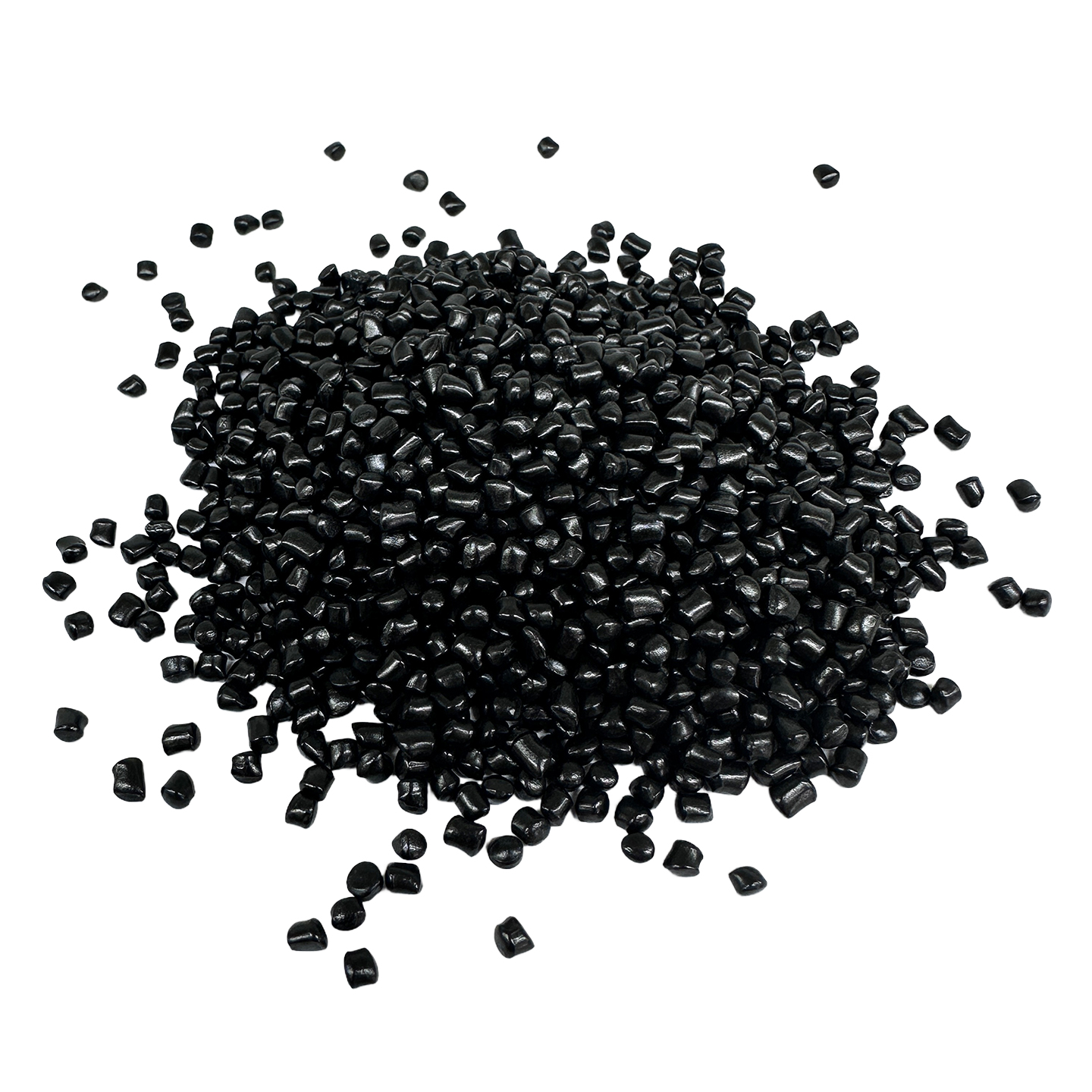
General Low Carbon Black Masterbatch WME1-WME1
General Low Carbon Black Masterbatch WME1
Introduction WME1 is produced by unique process in which carbon black is pre-dispersed, then compounded with the polymer additive through plastication. It is widely used in injection, extrusion pipe and blow film applications. It features low dosage...
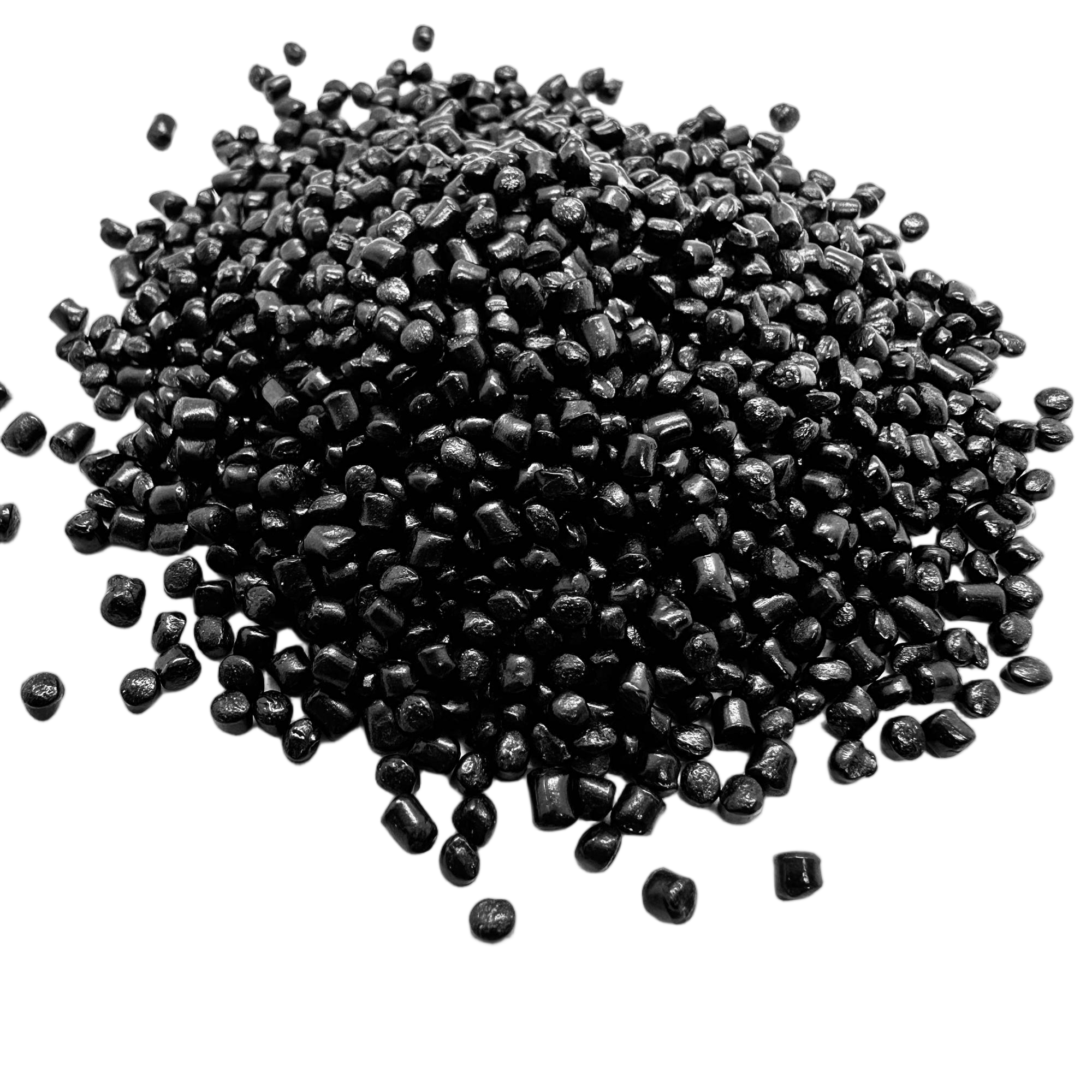
Weather-Resistant Black Filler Masterbatch WM307-WM307
Weather-Resistant Black Filler Masterbatch WM307
Introduction WM307 is produced by unique process in which carbon black is pre-dispersed, then compounded with the basic resin through plastication. It is widely used in injection, blow film and compounding applications. Suitable for PP, PE materials...
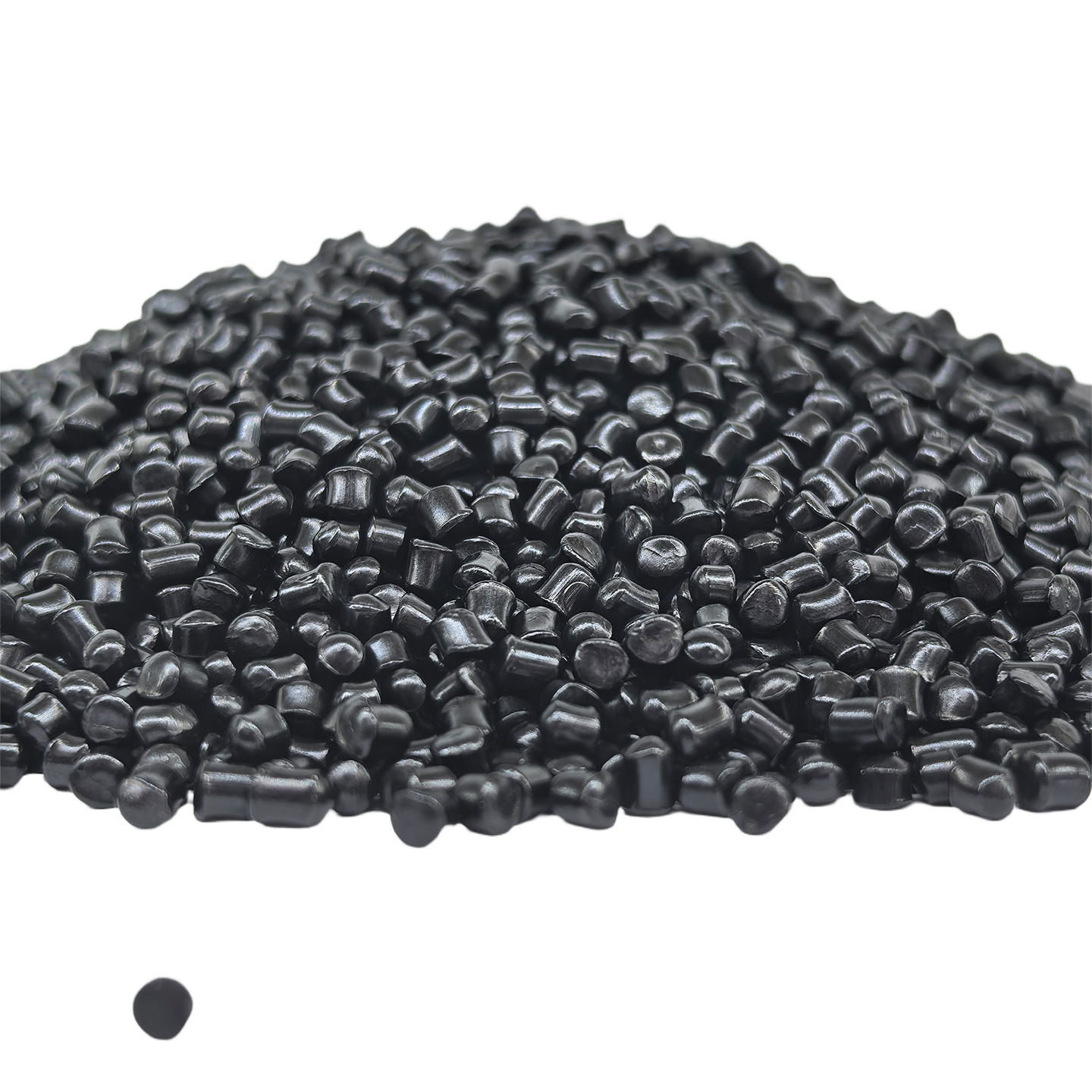
Durable Black Environmentally Friendly Functional Masterbatch WM30-WM30
Durable Black Environmentally Friendly Functional Masterbatch WM30
Introduction WM30 is produced by unique process in which carbon black is pre-dispersed, then compounded with the basic resin through plastication. It is widely used in injection, modified compounding, pipe & sheet applications. Suitable for PP ,PE a...
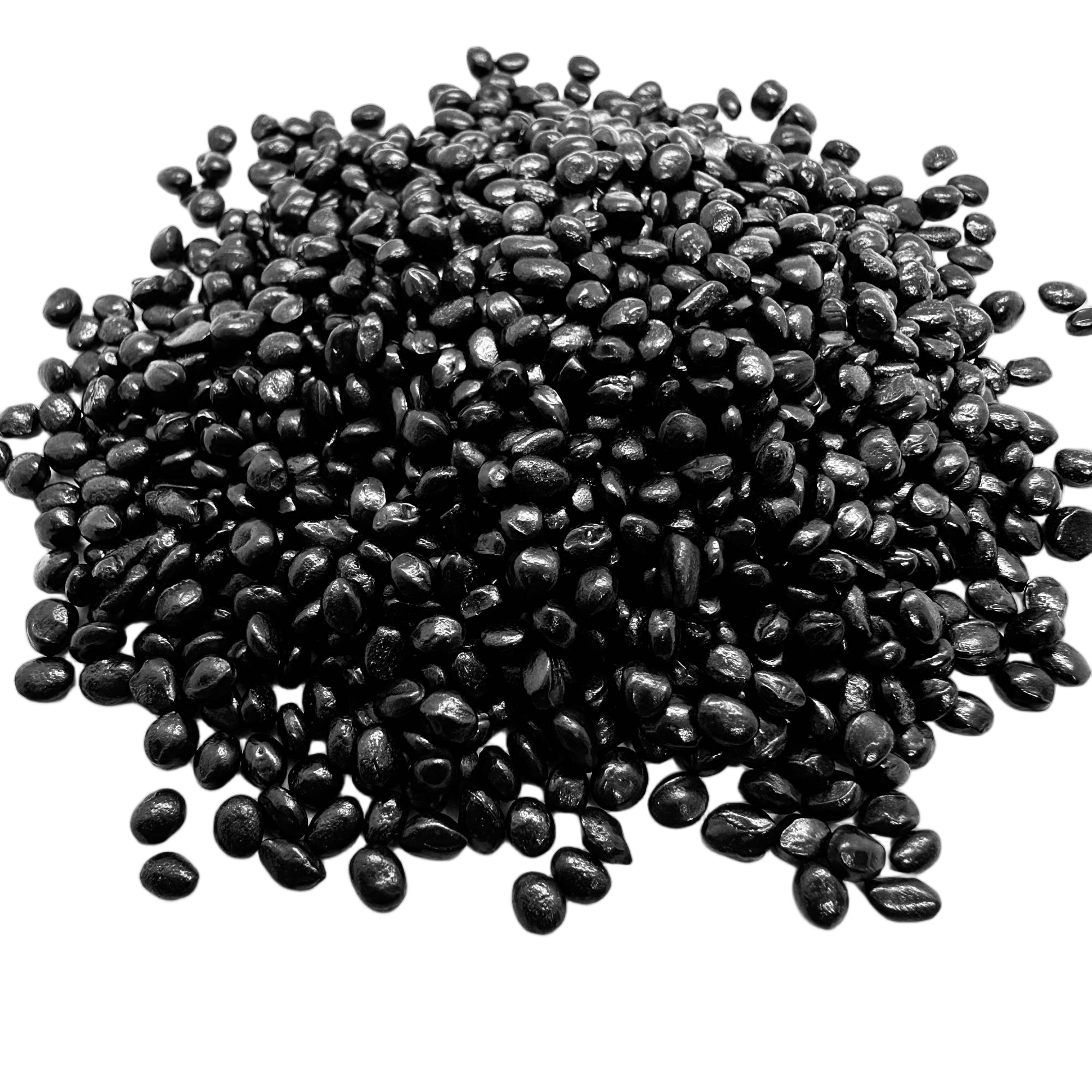
Environmentally Friendly Black Masterbatch WM101-WM101
Environmentally Friendly Black Masterbatch WM101
Introduction WM101 is produced by polymer additive with pre-dispersed carbon black , then compounded with the basic resin through plastication. It is widely used in injection, pipe, blow film applications. It features low dosage, high blackness, goo...
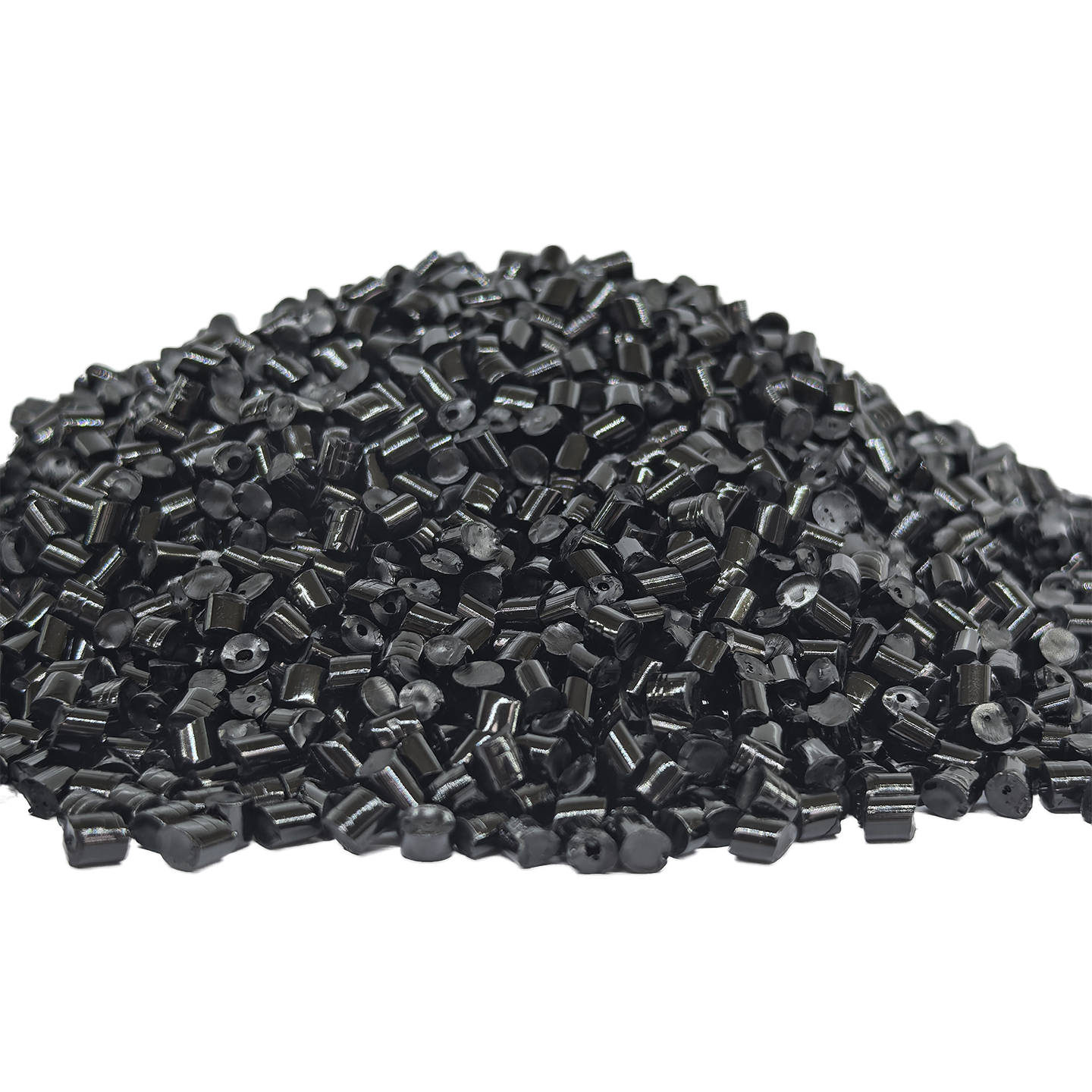
Black Masterbatch WMF3-WMF3
Black Masterbatch WMF3
Product Original Image Grade: Black Masterbatch WMF3 Carbon: 27-30% Carrier: PE Dispersion: Good Compliance: RoHS, REACH Original Image of Finished Product Applications: Blow Film(garbage bags)/ Conduit/ Injection parts / Extrusion parts Color...
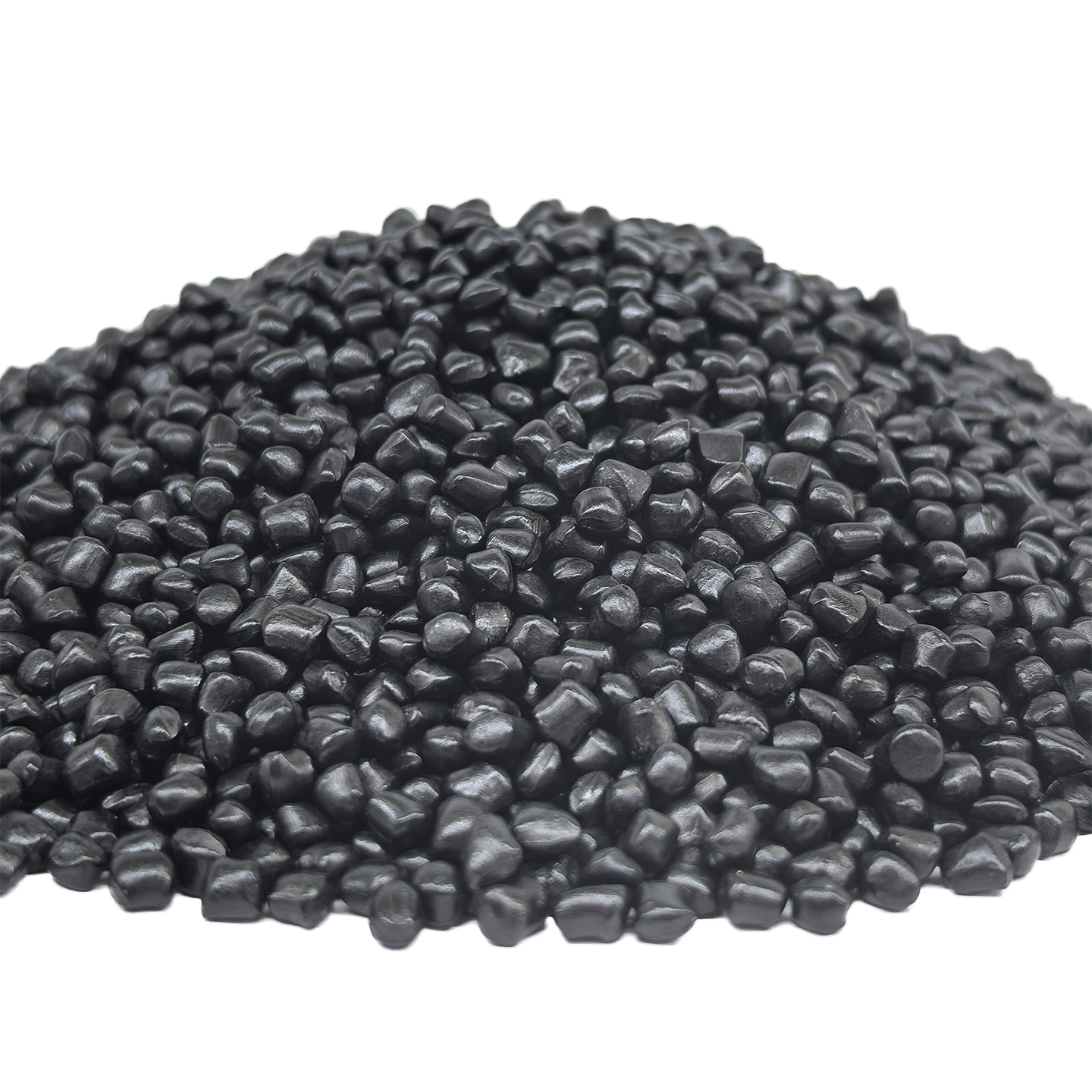
High Concentration Environmentally Friendly Filled Black Masterbatch WM8E-WM8E
High Concentration Environmentally Friendly Filled Black Masterbatch WM8E
Introduction WM8E is produced by unique process in which carbon black is pre-dispersed, then compounded with the basic resin through plastication. It is widely used in film blowing , blowing plastic and injection applications. Suitable for PP and PE...
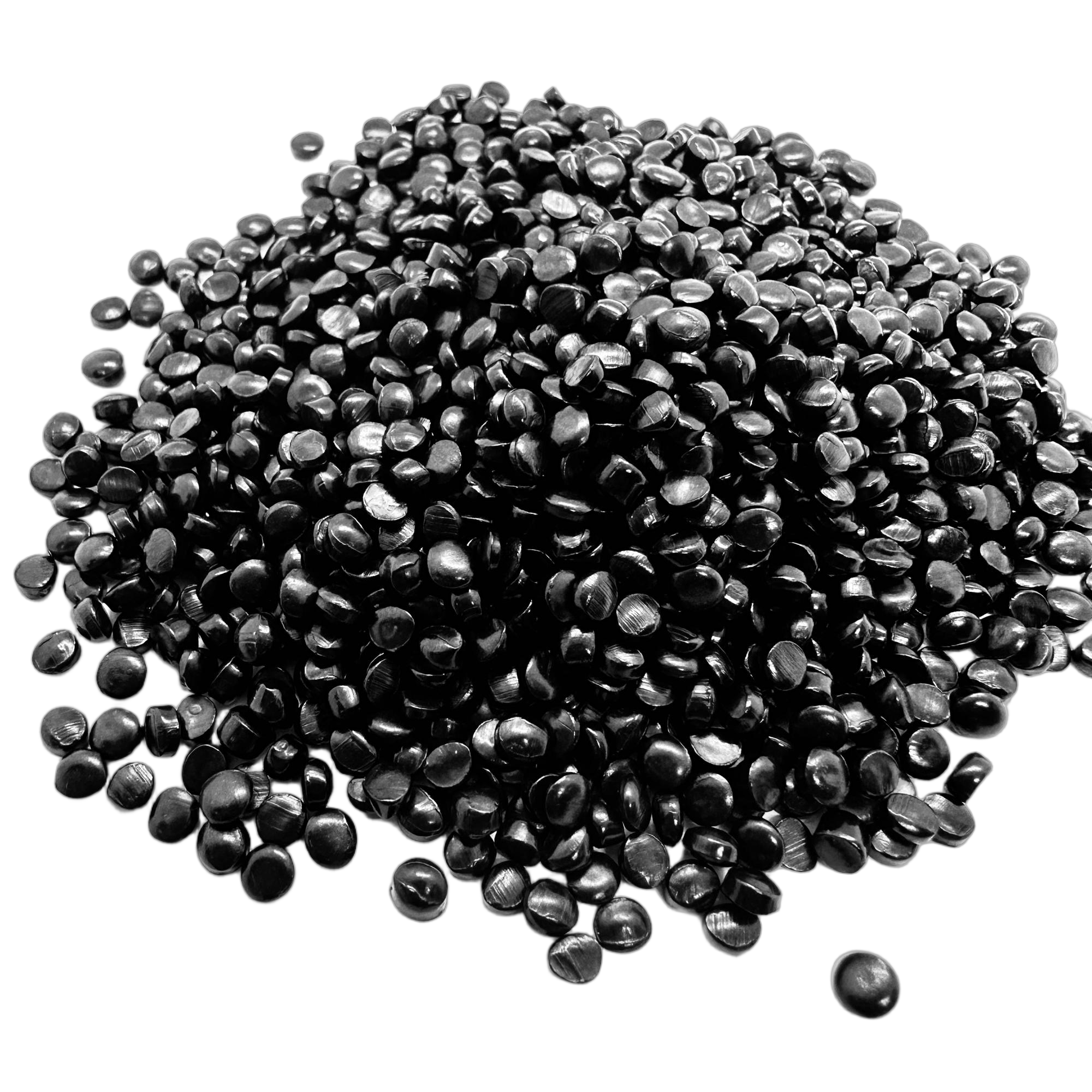
Universal Courier bag Extrusion Black Masterbatch WM2ADM-WM2ADM
Universal Courier bag Extrusion Black Masterbatch WM2ADM
Introduction WM2ADM is produced by unique process in which carbon black is pre-dispersed, then compounded with the basic resin through plastication. It is widely used in film blowing , blowing plastic and fiber applications. Suitable for PP and PE m...
Stable Dispersion & Excellent Hiding Concentrated Mulch Black Masterbatch WMULCH-1-WMULCH-1
Stable Dispersion & Excellent Hiding Concentrated Mulch Black Masterbatch WMULCH-1
Introduction Mulch film is judged in the field, not in the warehouse. By the time a roll reaches the bed former, three things have already decided how the film will behave for the rest of the season: how much carbon black is genuinely in the film, ...
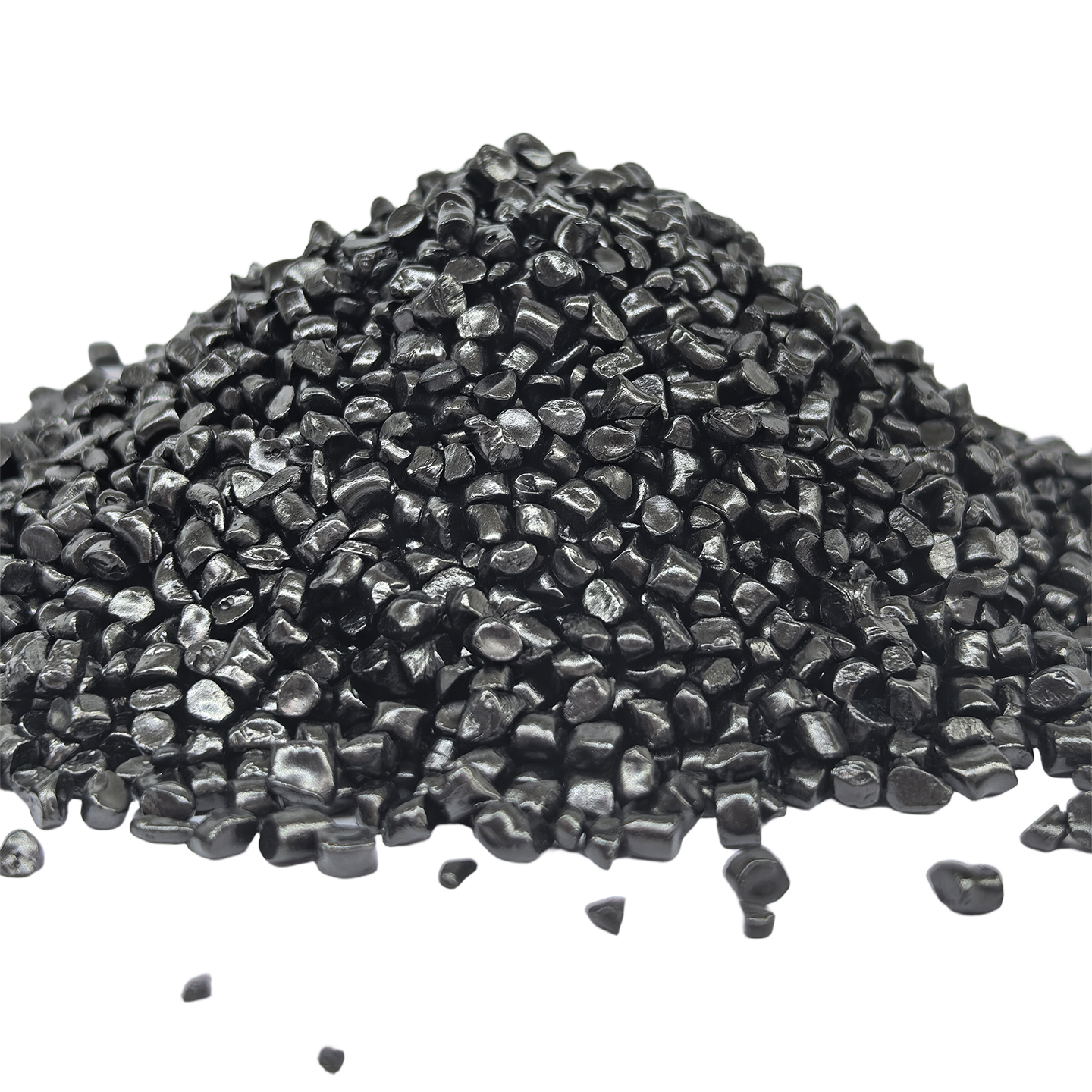
High Concentration Carrier-Free Black Masterbatch WMB34-WMB34
High Concentration Carrier-Free Black Masterbatch WMB34
Introduction WMB34 is produced by unique process in which carbon black is pre-dispersed, then compounded with the basic resin through plastication. It is widely used in injection and modified compounding applications. Suitable for PP PE ABS PA+GF...
Strong And High Pigment Black Masterbatch WM913-WM913
Strong And High Pigment Black Masterbatch WM913
Introduction WM913 is produced by pre-dispersed carbon black with polymer additive, then compounded through plastication. It is widely used in modified compounding applications. Suitable for PP PE ABS PPR ABS HIPS materials. It features low dosage...
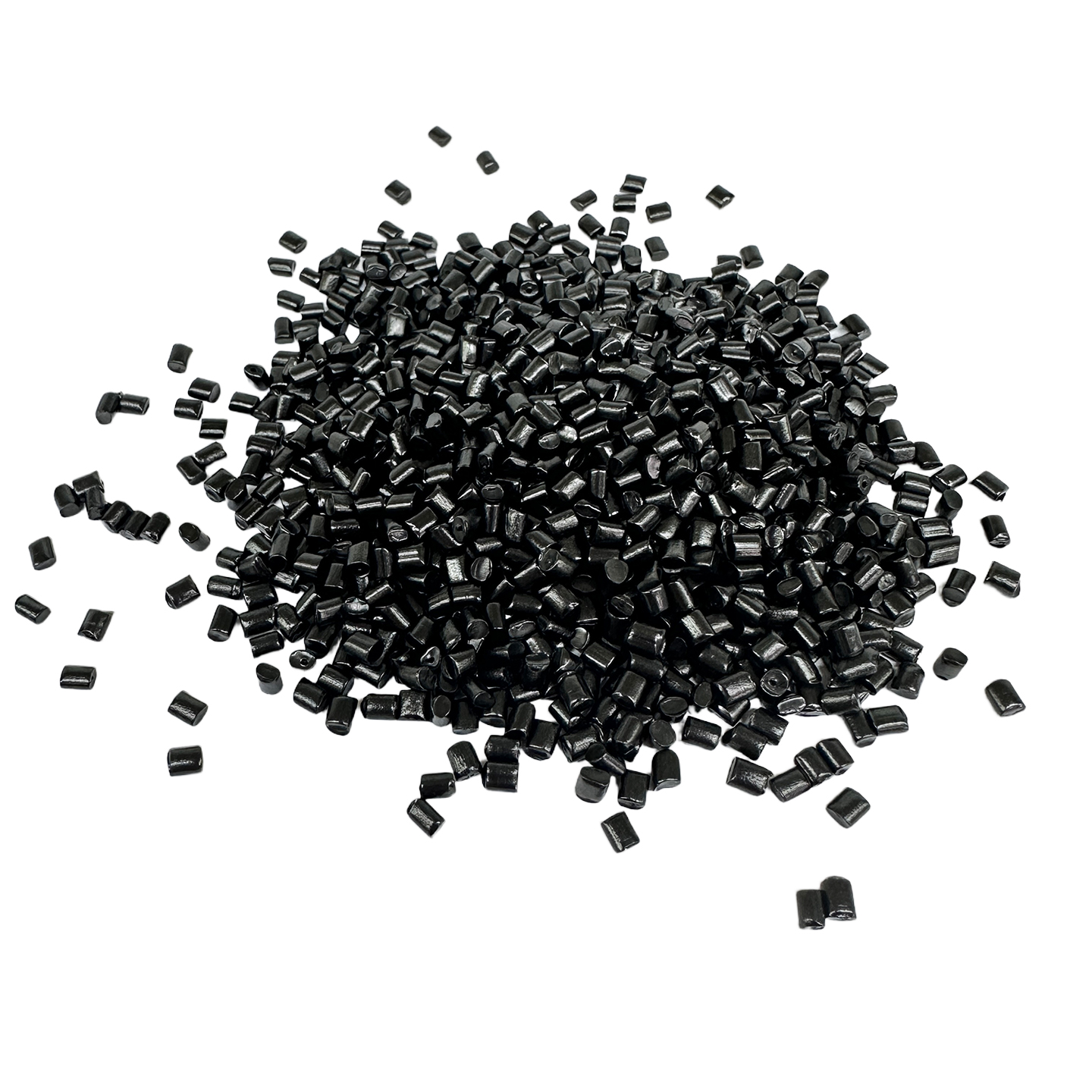
BPA Free & Low Volatile Environmentally Friendly Interior Black Masterbatch WMEG11-WMEG11
BPA Free & Low Volatile Environmentally Friendly Interior Black Masterbatch WMEG11
Introduction WMEG11 is produced by unique process in which carbon black is pre-dispersed, then compounded with the basic resin through plastication. It is widely used in modified compounding and injection applications. Suitable for PP and PE materi...
BPA Free & LFGB Approved food grade Black Masterbatch WMB56-WMB56
BPA Free & LFGB Approved food grade Black Masterbatch WMB56
Introduction WMB56 is produced by unique process in which carbon black is pre-dispersed, then compounded with the basic resin through plastication. It is widely used in injection and extrusion sheet applications. Suitable for ABS AS and PC materials...
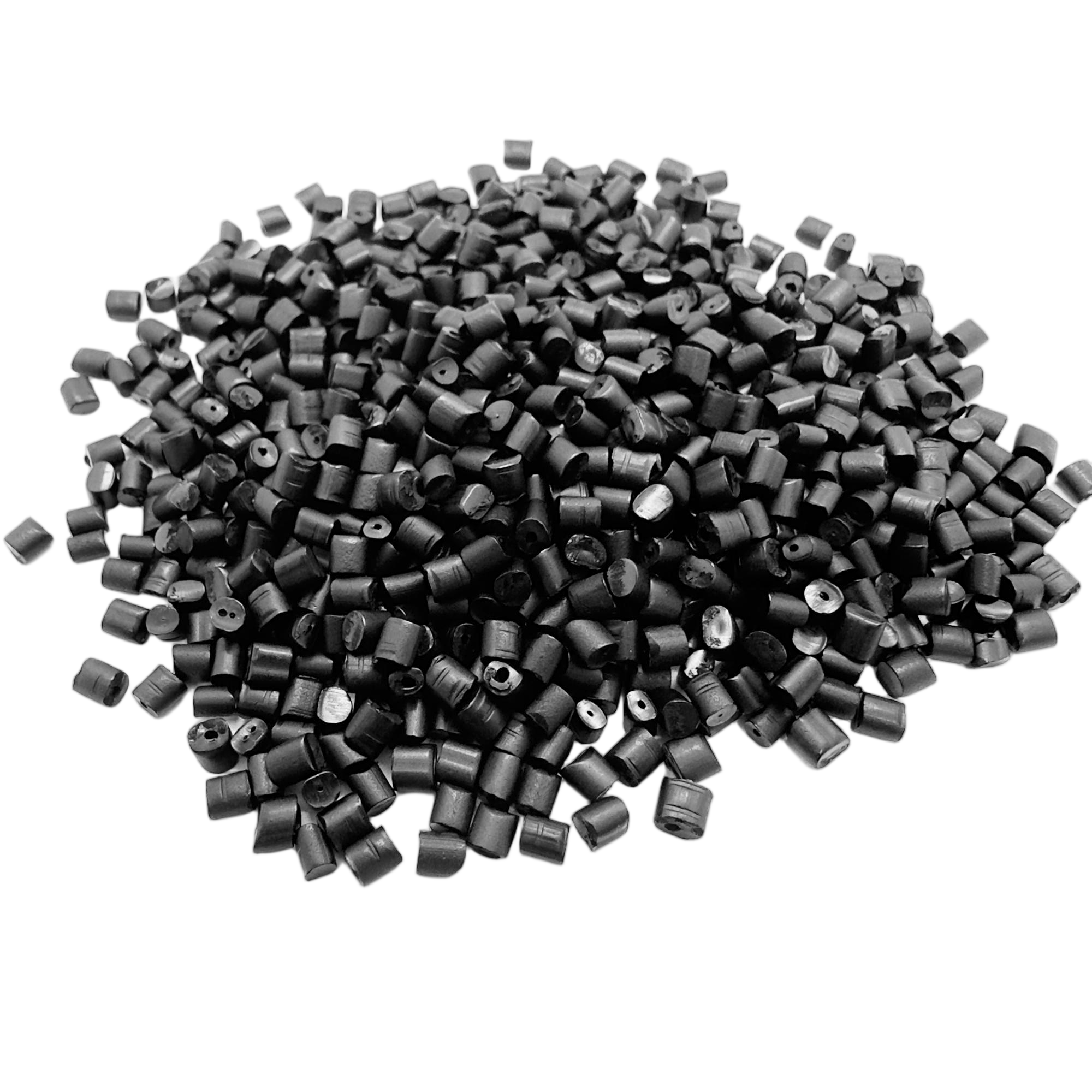
Strong And High Pigment PP Black Masterbatch WM785D-WM785D
Strong And High Pigment PP Black Masterbatch WM785D
Introduction WM785D is produced by unique process in which carbon black is pre-dispersed, then compounded with the basic resin through plastication. It is widely used in modified compounding and injection applications. Suitable for PP and PE materia...
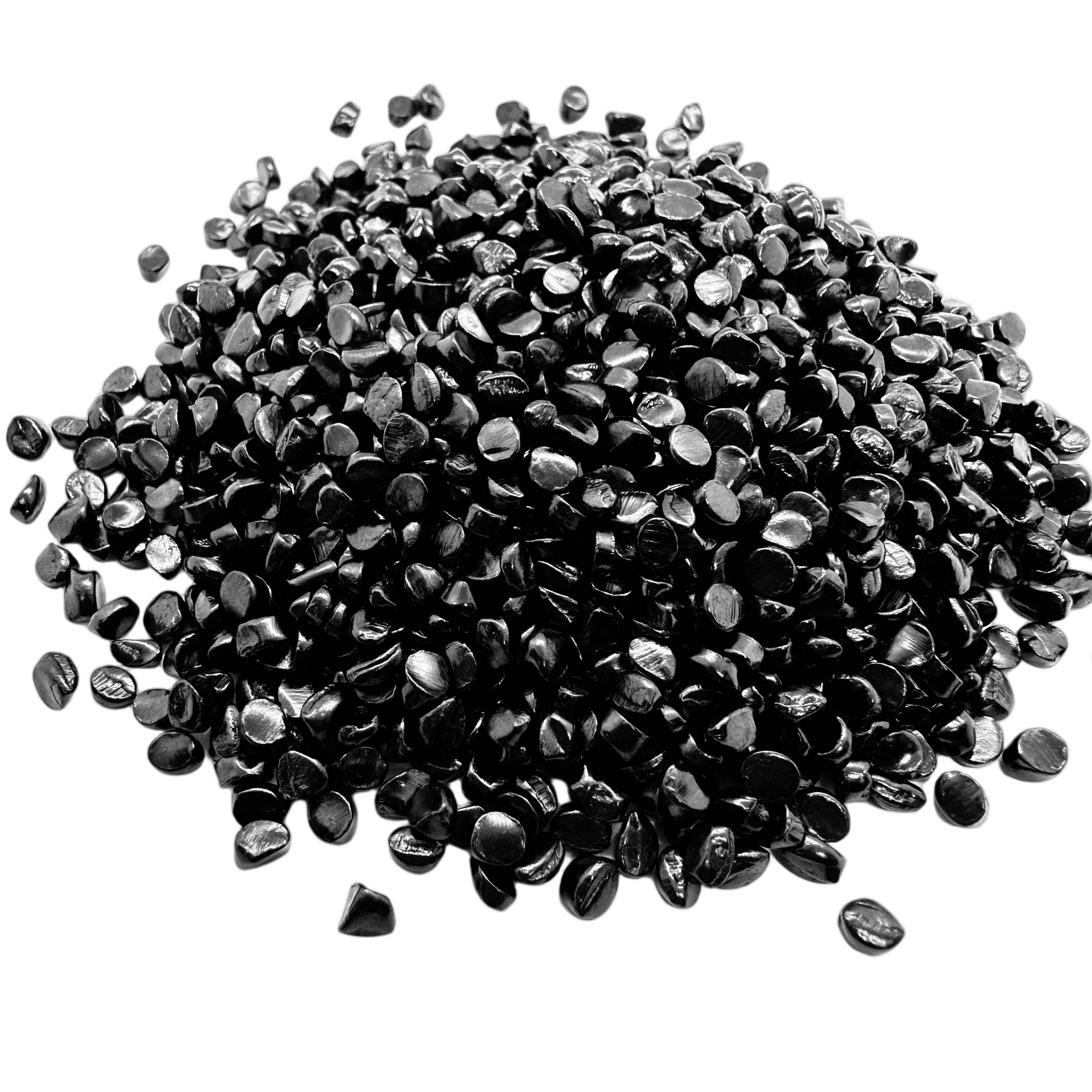
Injection Molding Reinforced Black Masterbatch WM16H (UN2014) -WM16H
Injection Molding Reinforced Black Masterbatch WM16H (UN2014)
Introduction WM16H is produced by pre-dispered carbon black, and then compounded with basic resin. It is widely used in ABS, PC/AS high glossy injection and modifiled compounding applications. Suitable for PP PE PC/ABS GPPS POM GPPS PA+GF materials....
Structure-Enhanced SAN Black Masterbatch WM2A-WM2A
Structure-Enhanced SAN Black Masterbatch WM2A
Introduction WM2A is produced by high-pigment carbon black with AS as carrier and special dispersion agent. Its carbon black is stable and blue-shape grade. Suitable for ABS PC high glossy injection materials, also PPO PPS PA PET etc. thermoplastic ...
Structure-Enhanced PS Black Masterbatch WM626-WM626
Structure-Enhanced PS Black Masterbatch WM626
Introduction WM626 is produced by unique process in which carbon black is pre-dispersed, then compounded with the basic resin through plastication. It is widely used in extrusion and injection applications. Suitable for HIPS materials. It features lo...
Structure-Enhanced PC Black Masterbatch WM6245-WM6245
Structure-Enhanced PC Black Masterbatch WM6245
Introduction WM6245 is produced by unique process in which carbon black is pre-dispersed, then compounded with the basic resin through plastication. It is widely used in extrusion and high glossy injection applications. Suitable for PC ABS/PC materia...
Universal Environmentally Resistant Black Masterbatch WM72-WM72
Universal Environmentally Resistant Black Masterbatch WM72
Introduction WM72 is produced by unique process in which carbon black is pre-dispersed, then compounded with the basic resin through plastication. It is widely used in film blowing and injection applications. Suitable for PP and PE materials. It fea...
Enhanced UV Protection Black Masterbatch WM3F-WM3F
Enhanced UV Protection Black Masterbatch WM3F
Introduction WM3F is produced by unique process in which carbon black is pre-dispersed, then compounded with the basic resin through plastication. It is widely used in water supply pipe,drip irrigation pipe,corrugated pipe and film blowing applicati...
Environmentally Resistant Black Masterbatch WM3E-WM3E
Environmentally Resistant Black Masterbatch WM3E
Introduction WM3E is produced by unique process in which carbon black is pre-dispersed, then compounded with the basic resin through plastication. It is widely used in water supply pipe,drip irrigation pipe,corrugated pipe and film blowing applicati...
General Low Carbon Black Masterbatch WME1-WME1
General Low Carbon Black Masterbatch WME1
Introduction WME1 is produced by unique process in which carbon black is pre-dispersed, then compounded with the polymer additive through plastication. It is widely used in injection, extrusion pipe and blow film applications. It features low dosage...
Weather-Resistant Black Filler Masterbatch WM307-WM307
Weather-Resistant Black Filler Masterbatch WM307
Introduction WM307 is produced by unique process in which carbon black is pre-dispersed, then compounded with the basic resin through plastication. It is widely used in injection, blow film and compounding applications. Suitable for PP, PE materials...
Get Your Free Sample Now
Submit this form and our sales representative will contact you soon.

Contact Us
Tel: +86 757 8118 6668/+86 139 2320 6383
Sales Hotline: +86 139 2320 6383
Address: No. 55, Yong'an Avenue, Guanyao, Shishan Town, Nanhai District, Foshan City, Guangdong Province, China.
Inquire
Copyright © 2026 Guangdong Jolink Technology Co., Ltd.