
SEARCH WHAT YOU WANT
Environmentally Friendly FDA approved & food grade Black Masterbatch WM70E2
 |
 |
Introduction
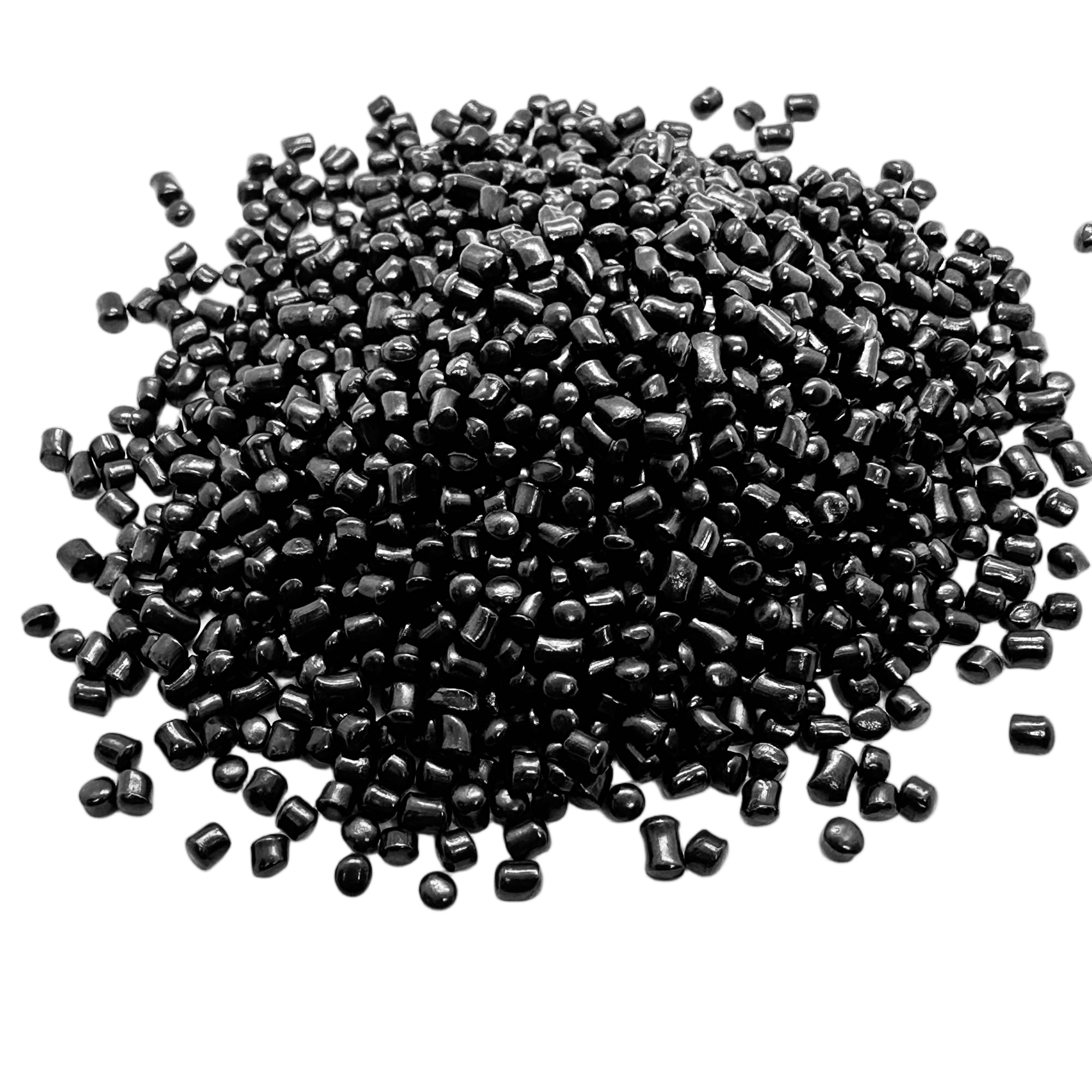
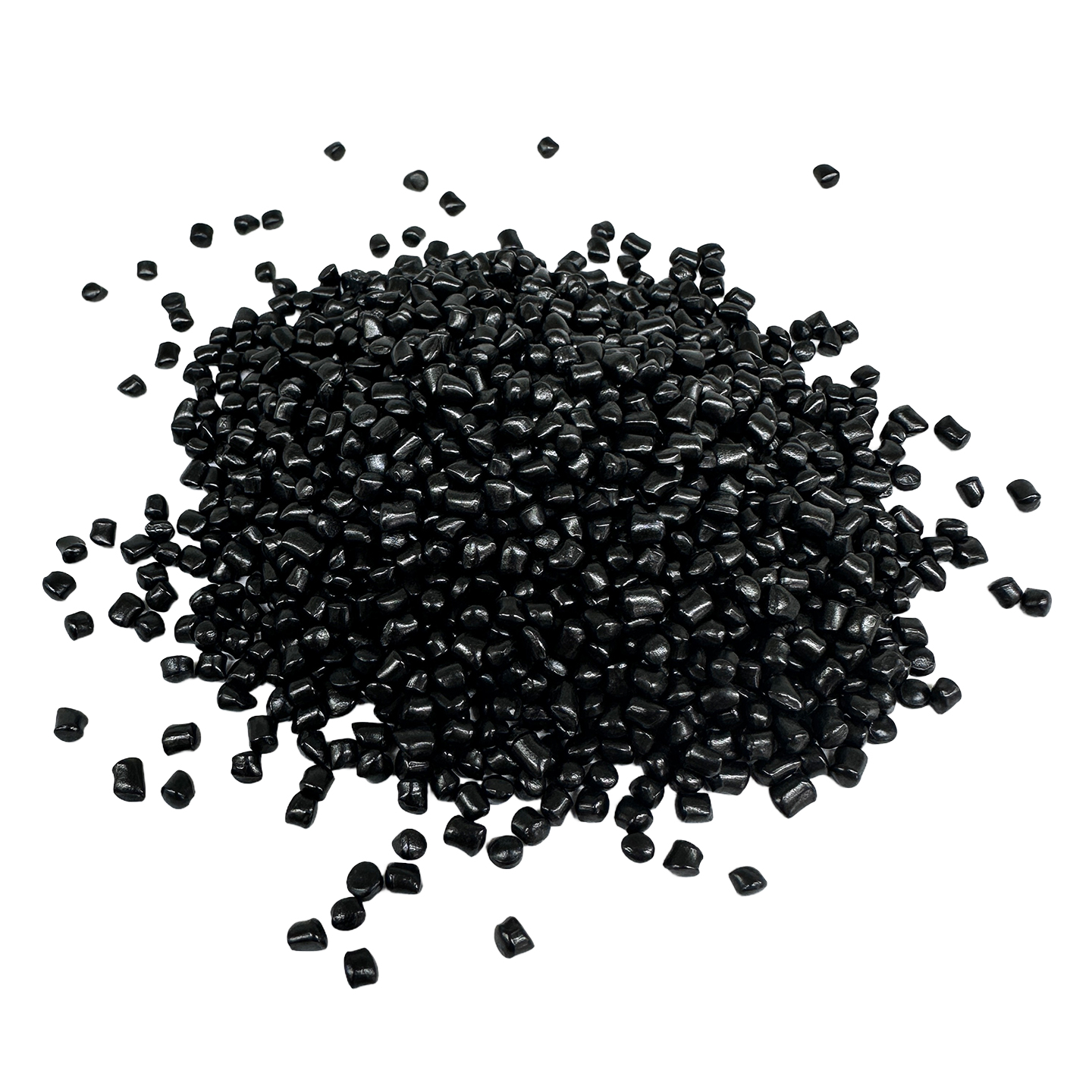
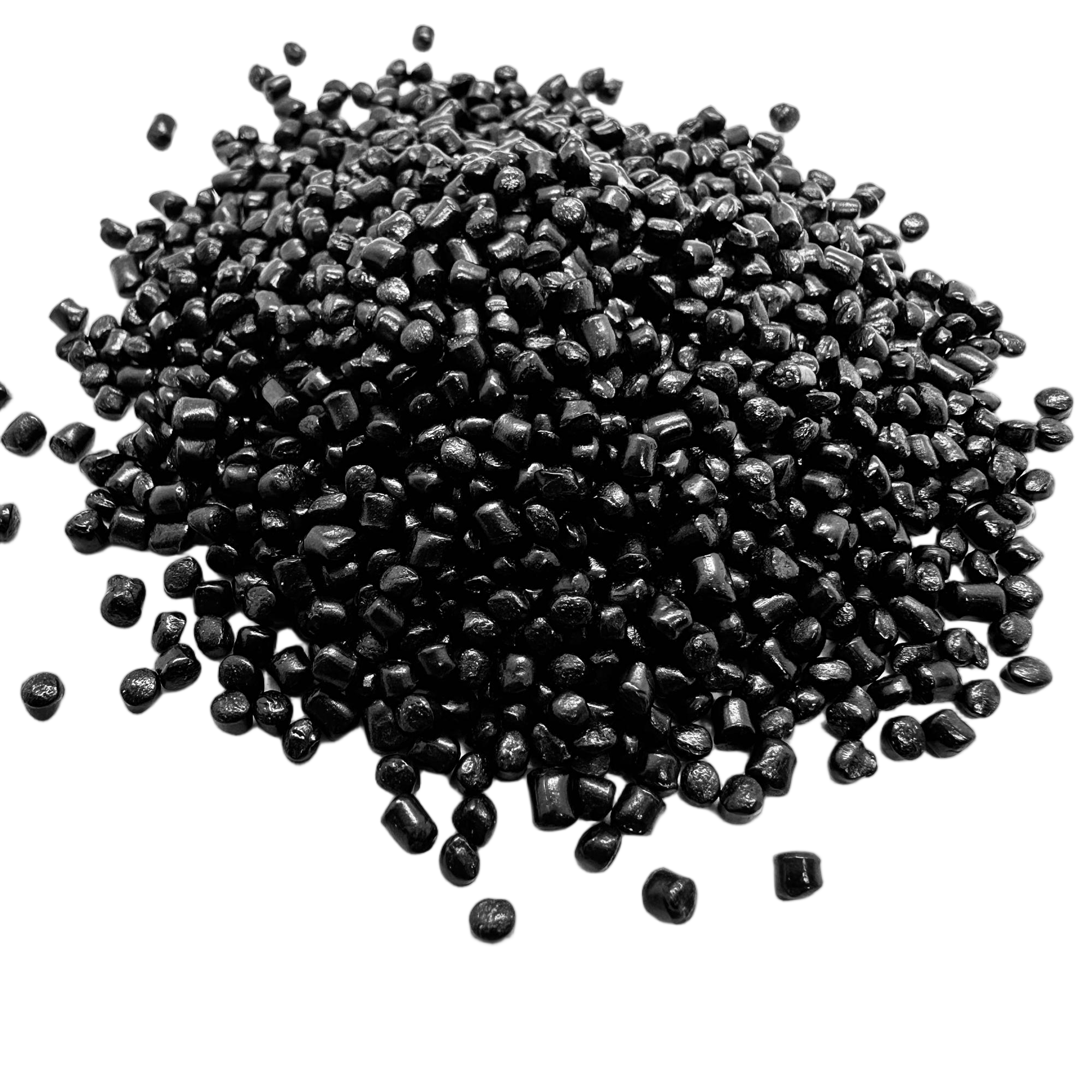
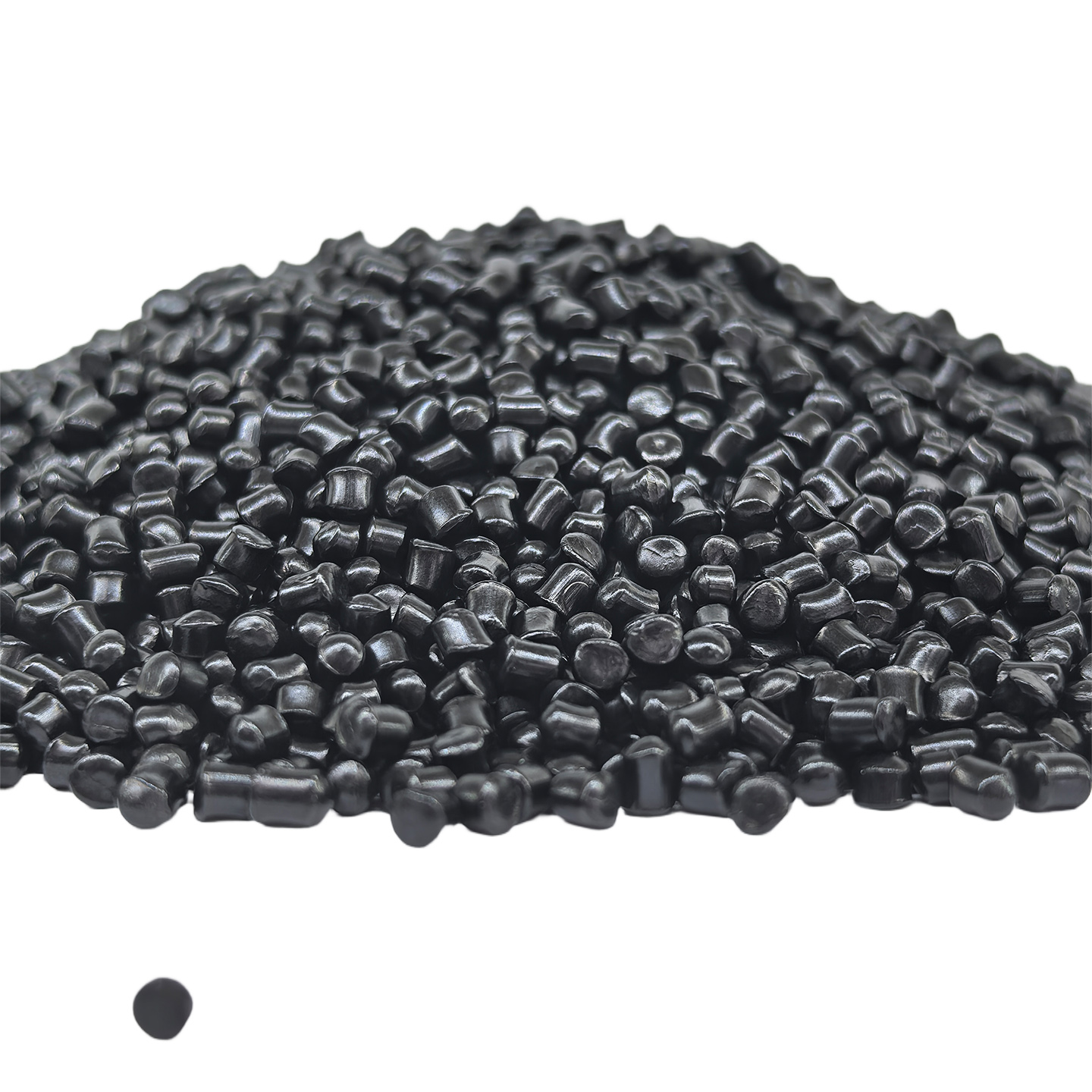
WM70E2 is produced by unique process in which carbon black is pre-dispersed, then compounded with the basic resin through plastication. It is widely used in injection (both general and thin wall injection), blow molding and extrusion sheet applications. Suitable for PP PE TPR materials. It features low dosage, high blackness, good brightness, excellent heat resistance, outstanding dispersibility and tinting power, and minimal impact on the physical properties of the final product.
Where WM70E2 goes
WM70E2 is one of the grades in our food-grade and FDA-approved black masterbatch range.
Thin-wall takeaway containers and meal-prep boxes
Takeaway containers and meal-prep boxes run thin, often 0.4 to 1.0 mm, and a wall that thin has nowhere to hide a defect.
The black has to disperse finely enough to spread evenly through a fast cycle. Get that right and the box comes out black through the whole section with a clean face.
Get it wrong and you get a grey haze, or a speck sitting on the flat where the eye goes first.
Lids, cutlery and reusable storage containers
Lids and reusable boxes get washed, stacked, reheated, washed again. The colour has to look the same after the tenth wash as it did out of the mould.
WM70E2 holds its shade through repeated hot water and microwave exposure, with no yellowing and no drift towards brown.
Blow moulded and extruded food packaging
Jerry cans, drums, extruded sheet and thermoformed trays all run on the same grade. The carrier flows well in both PE and PP, so one product covers a line running mixed packaging.
Why it holds up
Depth comes from how fine the black is, not from how much of it you add.
A fine-particle grade rather than a filler-grade black gives a neutral tone with no brown cast under shop lighting, and it plateaus early.
Past about 1.5% carbon black in the part you are paying for pigment you cannot see.
Agglomerates that survive compounding turn up as specks on a thin wall, so the dispersing work is done here rather than in your extruder.
We wet and break the pigment down before it becomes a pellet, and every batch is released against a dispersion rating of Level 3 or better.
If your process engineers want the detail of how that compounding step runs, it is written up in full on the site.
We cut the pellets to one size. Even pellets feed evenly at low let-down ratios,
where a few oversized or dusty pellets would be enough to shift the shade, and uniformity is also why the first bag and the last bag of an order run the same.
There is a separate note on why our pellet size stays this uniform.
Food contact rules put no limit on smell, which is why a container can be fully compliant and still smell like a workshop.
We start from a high-purity black with a short additive package and keep the melt in a sensible window, which is most of what keeps the food tasting like food.
At the dose a container needs, impact strength and stiffness of the PP stay close to those of the unfilled resin, so drop resistance holds up on the line, in transit and in the freezer.
Technical Parameter
| Carbon Content | 45%±1.5 |
| Carrier | PE |
| MFI | 10-20 (g/ 10min(190℃ 10kg) |
| Moisture | ≤0.3% |
| Dispersion | Excellent (≤ Level 3) |
| Compliance | RoHS, FDA |
| Application | Mirrow Effect Injection , Blow bottle (Petrol Barrel) , Food Containers |
| Dosage Advice | Blow molding: 1.0–4.0% Injection: 0.8–2.0% Extrusion : 1.0-4.0% |
| OEM | Accpeted |
Getting consistent results on the line
Dry the resin, not the pellets. Silver streaks and water marks almost always come from moisture in the base PP rather than from the masterbatch.
WM70E2 leaves us at 0.3% moisture or less, so keep the bag sealed between shifts and dry the resin to your own specification.
Weigh the dose rather than measuring it by volume. Below 2% let-down, a volumetric feeder's error becomes a large share of the total, and the shade moves with it.
Gravimetric dosing is what keeps a shift flat.
Hold the melt between 190 and 230 °C. Below that, dispersion can read grainy under a gloss surface.
Above it you risk odour and a brown shift, and on a food container that matters more than it does on an industrial part.
Tumble-blend before the hopper and keep the feed path short.
Heavy pellets separate from lighter resin over distance, so a long conveyor between feeder and throat is where shade drift starts.
Watch the pressure rise across the screen pack. A slow, steady climb is normal.
A jump inside an hour means agglomerates are reaching the screen, so check the feeder setting and the screen before you blame the masterbatch.
If film builds on the cavity, look at the additive package.
Deposit that appears after a few thousand shots is a formulation question, so tell us and we will work through it with you.
Compliance and documentation
Every order ships with a batch certificate of analysis, a safety data sheet and a RoHS and FDA compliance statement.
For US food contact, the colorant falls under 21 CFR 178.3297 and the PP or PE base polymer under 21 CFR 177.1520.
High-purity furnace black is cleared under 178.3297 with total PAHs not above 0.5 ppm and benzo[a]pyrene not above 5 ppb.
That rule and EU 10/2011 both cap carbon black at 2.5% by weight of the finished article, which on a 45% masterbatch puts the ceiling at roughly 5.5% let-down, well above what a container actually needs.
EU 10/2011 also sets purity limits on the black itself, covering toluene extract at or below 0.1% by ISO 6209,
benzo[a]pyrene at or below 0.25 mg/kg, and a UV absorbance limit on the cyclohexane extract at 386 nm.
Germany applies the same criteria through BfR IX, China through GB 4806 and GB 9685. We track changes to these rules as they land.
Compliance is judged on the finished container, not on the pellet, so the base resin, the dose and the contact conditions all sit inside the assessment.
If your market needs LFGB, BPA-free or a joint EU statement, tell us when you enquire. We hold grades built for those requirements,
and we would rather send you to the right one than stretch this grade past what it is documented for.
Frequently asked questions
How much do I add?
Work back from the part. Dosage is the carbon black you want in the finished container divided by 45%. A 0.5 mm wall turns opaque at about 0.7% carbon black in the part,
which is 1.5% WM70E2. Thick sections colour faster, so drop the dose there. Expect to land between 1% and 3%.
The carrier is PE but my container is PP. Is that a problem?
Not at this dosage. PE and PP are compatible enough that a PE-carrier black runs cleanly in PP between 1% and 3%, which is why the grade is offered as a cross-polymer product.
If you run very thin walls or a high-gloss surface and would rather have a PP carrier, say so and we will quote one.
Will it change the smell or taste of the food?
It is built to keep odour low, but no supplier can certify an organoleptic result on a container they have not moulded. Compliant and odourless are two different claims.
Run a sensory check on your own part at your own dosage. If odour is your main concern, tell us and we will start you on the low-odour range instead.
Does it bleed into the food?
No. The pigment is locked into the polymer matrix. Carbon black does not migrate, and the shade does not bleed into oily or fatty food.
What documents come with the order?
Certificate of analysis, safety data sheet and the RoHS and FDA compliance statement as standard.
Migration or specific-migration testing for a target market is arranged on request against your container specification.
Can I get a sample first?
Yes. Send the base resin grade, the wall thickness, the target shade and your melt temperature, and we will match a sample to those conditions. OEM formulations are welcome.
Packing and Storage
25kg/bag, PE or Composite Paper bag
Stored under dry, enclosed and cool conditions, protected from UV rays and/or direct sunlight. After used, the opened packaging must be resealed properly to prevent the product from absorbing moisture, which could affect its performance.
Note
The technical results are typical values and are provided for customer reference only. They are not to be regarded as a guarantee of minimum or maximum quality specifications.
|
Introduction
WM70E2 is produced by unique process in which carbon black is pre-dispersed, then compounded with the basic resin through plastication. It is widely used in injection (both general and thin wall injection), blow molding and extrusion sheet applications. Suitable for PP PE TPR materials. It features low dosage, high blackness, good brightness, excellent heat resistance, outstanding dispersibility and tinting power, and minimal impact on the physical properties of the final product.
Where WM70E2 goes
WM70E2 is one of the grades in our food-grade and FDA-approved black masterbatch range.
Thin-wall takeaway containers and meal-prep boxes
Takeaway containers and meal-prep boxes run thin, often 0.4 to 1.0 mm, and a wall that thin has nowhere to hide a defect.
The black has to disperse finely enough to spread evenly through a fast cycle. Get that right and the box comes out black through the whole section with a clean face.
Get it wrong and you get a grey haze, or a speck sitting on the flat where the eye goes first.
Lids, cutlery and reusable storage containers
Lids and reusable boxes get washed, stacked, reheated, washed again. The colour has to look the same after the tenth wash as it did out of the mould.
WM70E2 holds its shade through repeated hot water and microwave exposure, with no yellowing and no drift towards brown.
Blow moulded and extruded food packaging
Jerry cans, drums, extruded sheet and thermoformed trays all run on the same grade. The carrier flows well in both PE and PP, so one product covers a line running mixed packaging.
Why it holds up
Depth comes from how fine the black is, not from how much of it you add.
A fine-particle grade rather than a filler-grade black gives a neutral tone with no brown cast under shop lighting, and it plateaus early.
Past about 1.5% carbon black in the part you are paying for pigment you cannot see.
Agglomerates that survive compounding turn up as specks on a thin wall, so the dispersing work is done here rather than in your extruder.
We wet and break the pigment down before it becomes a pellet, and every batch is released against a dispersion rating of Level 3 or better.
If your process engineers want the detail of how that compounding step runs, it is written up in full on the site.
We cut the pellets to one size. Even pellets feed evenly at low let-down ratios,
where a few oversized or dusty pellets would be enough to shift the shade, and uniformity is also why the first bag and the last bag of an order run the same.
There is a separate note on why our pellet size stays this uniform.
Food contact rules put no limit on smell, which is why a container can be fully compliant and still smell like a workshop.
We start from a high-purity black with a short additive package and keep the melt in a sensible window, which is most of what keeps the food tasting like food.
At the dose a container needs, impact strength and stiffness of the PP stay close to those of the unfilled resin, so drop resistance holds up on the line, in transit and in the freezer.
Technical Parameter
| Carbon Content | 45%±1.5 |
| Carrier | PE |
| MFI | 10-20 (g/ 10min(190℃ 10kg) |
| Moisture | ≤0.3% |
| Dispersion | Excellent (≤ Level 3) |
| Compliance | RoHS, FDA |
| Application | Mirrow Effect Injection , Blow bottle (Petrol Barrel) , Food Containers |
| Dosage Advice | Blow molding: 1.0–4.0% Injection: 0.8–2.0% Extrusion : 1.0-4.0% |
| OEM | Accpeted |
Getting consistent results on the line
Dry the resin, not the pellets. Silver streaks and water marks almost always come from moisture in the base PP rather than from the masterbatch.
WM70E2 leaves us at 0.3% moisture or less, so keep the bag sealed between shifts and dry the resin to your own specification.
Weigh the dose rather than measuring it by volume. Below 2% let-down, a volumetric feeder's error becomes a large share of the total, and the shade moves with it.
Gravimetric dosing is what keeps a shift flat.
Hold the melt between 190 and 230 °C. Below that, dispersion can read grainy under a gloss surface.
Above it you risk odour and a brown shift, and on a food container that matters more than it does on an industrial part.
Tumble-blend before the hopper and keep the feed path short.
Heavy pellets separate from lighter resin over distance, so a long conveyor between feeder and throat is where shade drift starts.
Watch the pressure rise across the screen pack. A slow, steady climb is normal.
A jump inside an hour means agglomerates are reaching the screen, so check the feeder setting and the screen before you blame the masterbatch.
If film builds on the cavity, look at the additive package.
Deposit that appears after a few thousand shots is a formulation question, so tell us and we will work through it with you.
Compliance and documentation
Every order ships with a batch certificate of analysis, a safety data sheet and a RoHS and FDA compliance statement.
For US food contact, the colorant falls under 21 CFR 178.3297 and the PP or PE base polymer under 21 CFR 177.1520.
High-purity furnace black is cleared under 178.3297 with total PAHs not above 0.5 ppm and benzo[a]pyrene not above 5 ppb.
That rule and EU 10/2011 both cap carbon black at 2.5% by weight of the finished article, which on a 45% masterbatch puts the ceiling at roughly 5.5% let-down, well above what a container actually needs.
EU 10/2011 also sets purity limits on the black itself, covering toluene extract at or below 0.1% by ISO 6209,
benzo[a]pyrene at or below 0.25 mg/kg, and a UV absorbance limit on the cyclohexane extract at 386 nm.
Germany applies the same criteria through BfR IX, China through GB 4806 and GB 9685. We track changes to these rules as they land.
Compliance is judged on the finished container, not on the pellet, so the base resin, the dose and the contact conditions all sit inside the assessment.
If your market needs LFGB, BPA-free or a joint EU statement, tell us when you enquire. We hold grades built for those requirements,
and we would rather send you to the right one than stretch this grade past what it is documented for.
Frequently asked questions
How much do I add?
Work back from the part. Dosage is the carbon black you want in the finished container divided by 45%. A 0.5 mm wall turns opaque at about 0.7% carbon black in the part,
which is 1.5% WM70E2. Thick sections colour faster, so drop the dose there. Expect to land between 1% and 3%.
The carrier is PE but my container is PP. Is that a problem?
Not at this dosage. PE and PP are compatible enough that a PE-carrier black runs cleanly in PP between 1% and 3%, which is why the grade is offered as a cross-polymer product.
If you run very thin walls or a high-gloss surface and would rather have a PP carrier, say so and we will quote one.
Will it change the smell or taste of the food?
It is built to keep odour low, but no supplier can certify an organoleptic result on a container they have not moulded. Compliant and odourless are two different claims.
Run a sensory check on your own part at your own dosage. If odour is your main concern, tell us and we will start you on the low-odour range instead.
Does it bleed into the food?
No. The pigment is locked into the polymer matrix. Carbon black does not migrate, and the shade does not bleed into oily or fatty food.
What documents come with the order?
Certificate of analysis, safety data sheet and the RoHS and FDA compliance statement as standard.
Migration or specific-migration testing for a target market is arranged on request against your container specification.
Can I get a sample first?
Yes. Send the base resin grade, the wall thickness, the target shade and your melt temperature, and we will match a sample to those conditions. OEM formulations are welcome.
Previous: No more data
Next: No more data
Related Products
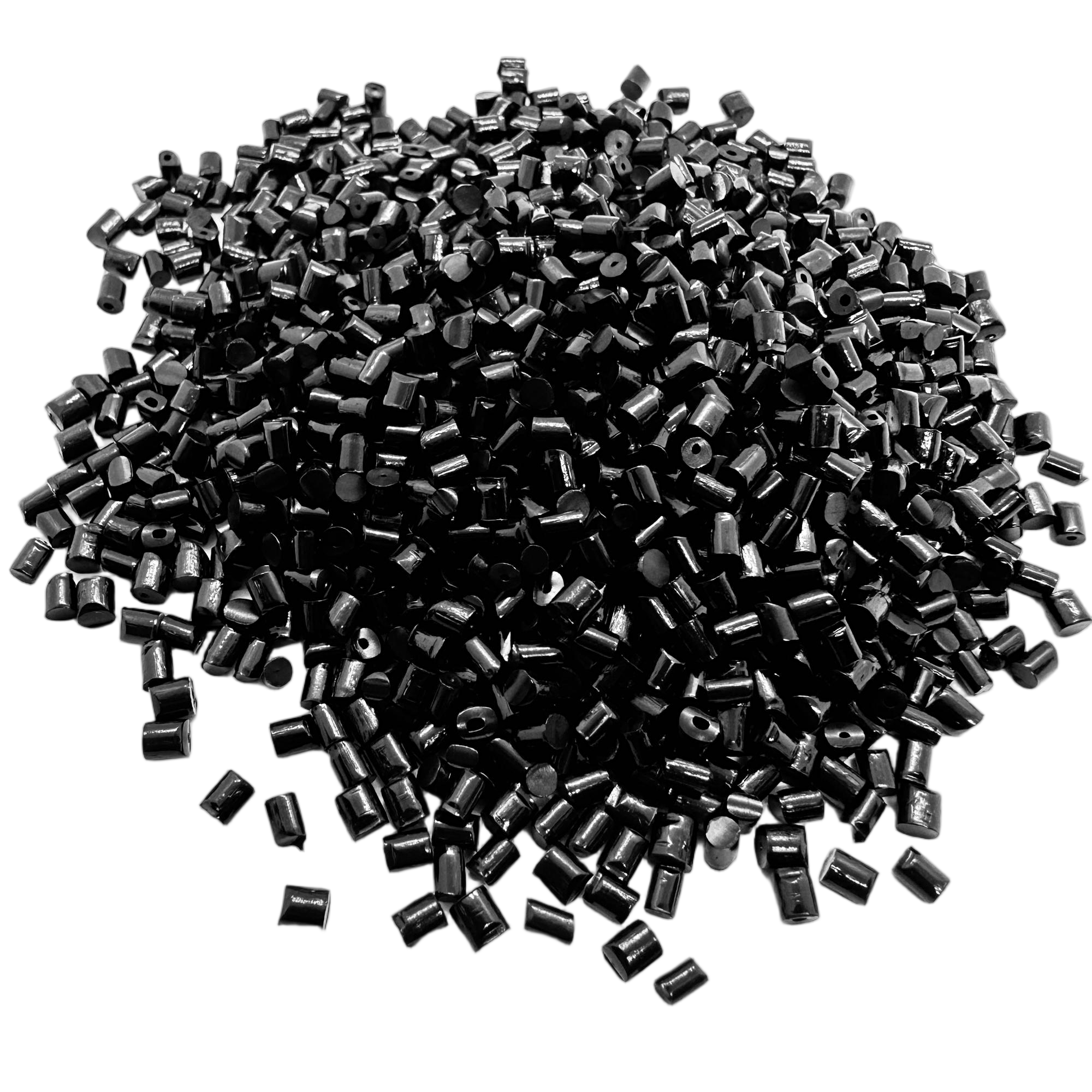
Structure-Enhanced PC Black Masterbatch WM6245-WM6245
Structure-Enhanced PC Black Masterbatch WM6245
Introduction WM6245 is produced by unique process in which carbon black is pre-dispersed, then compounded with the basic resin through plastication. It is widely used in extrusion and high glossy injection applications. Suitable for PC ABS/PC materia...
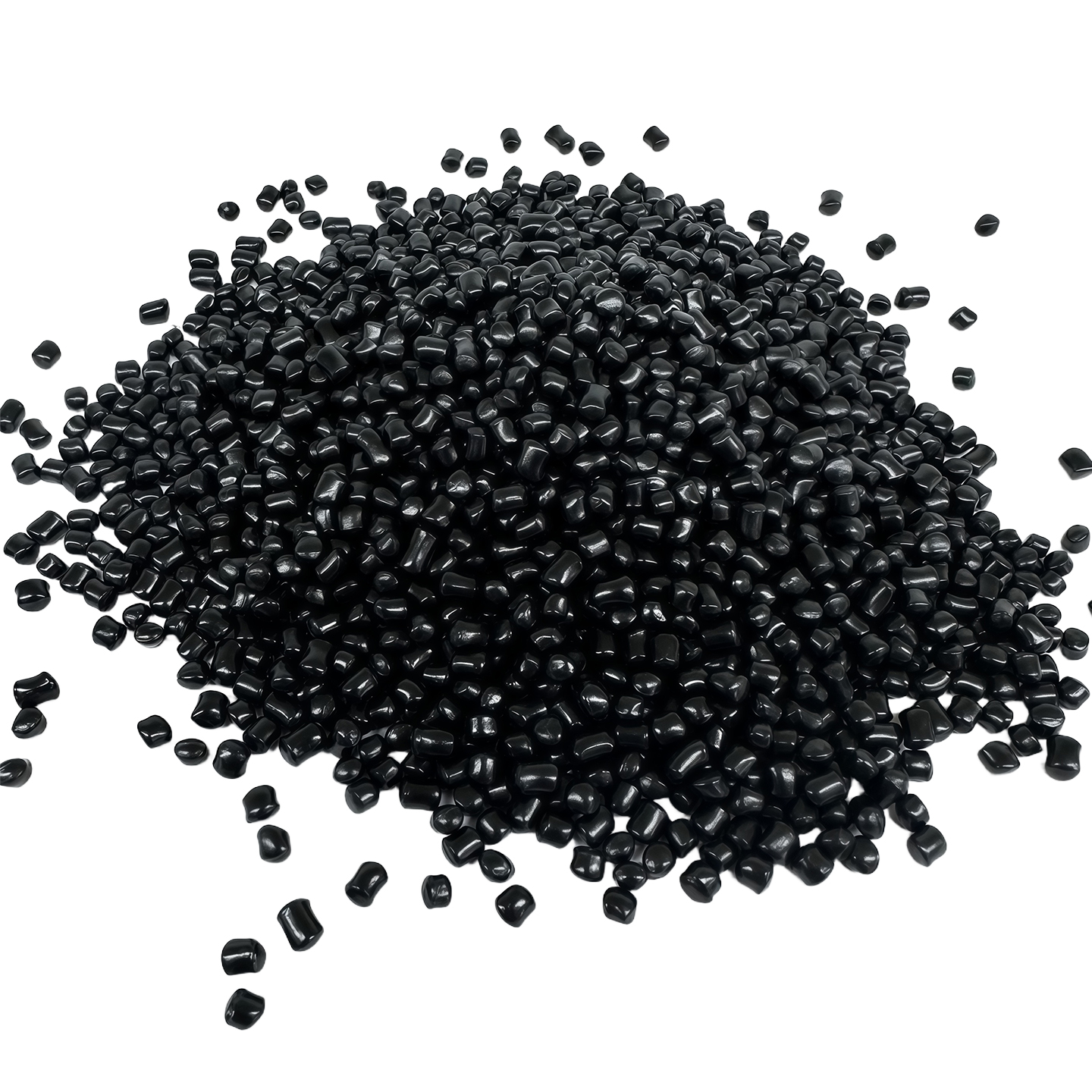
Universal Environmentally Resistant Black Masterbatch WM72-WM72
Universal Environmentally Resistant Black Masterbatch WM72
Introduction WM72 is produced by unique process in which carbon black is pre-dispersed, then compounded with the basic resin through plastication. It is widely used in film blowing and injection applications. Suitable for PP and PE materials. It fea...
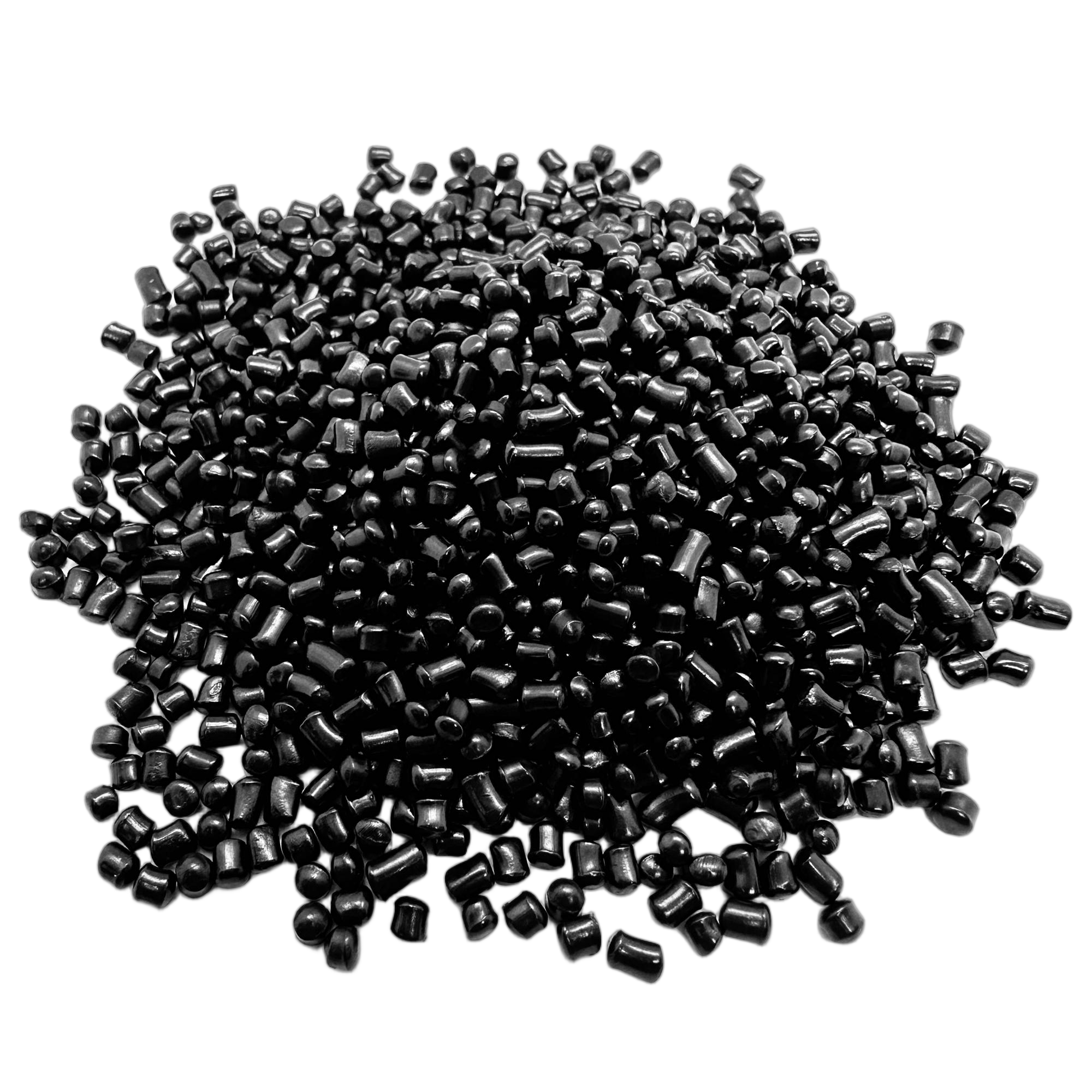
Environmentally Friendly FDA approved & food grade Black Masterbatch WM70E2-WM70E2
Environmentally Friendly FDA approved & food grade Black Masterbatch WM70E2
Introduction WM70E2 is produced by unique process in which carbon black is pre-dispersed, then compounded with the basic resin through plastication. It is widely used in injection (both general and thin wall injection), blow molding and extrusion sh...
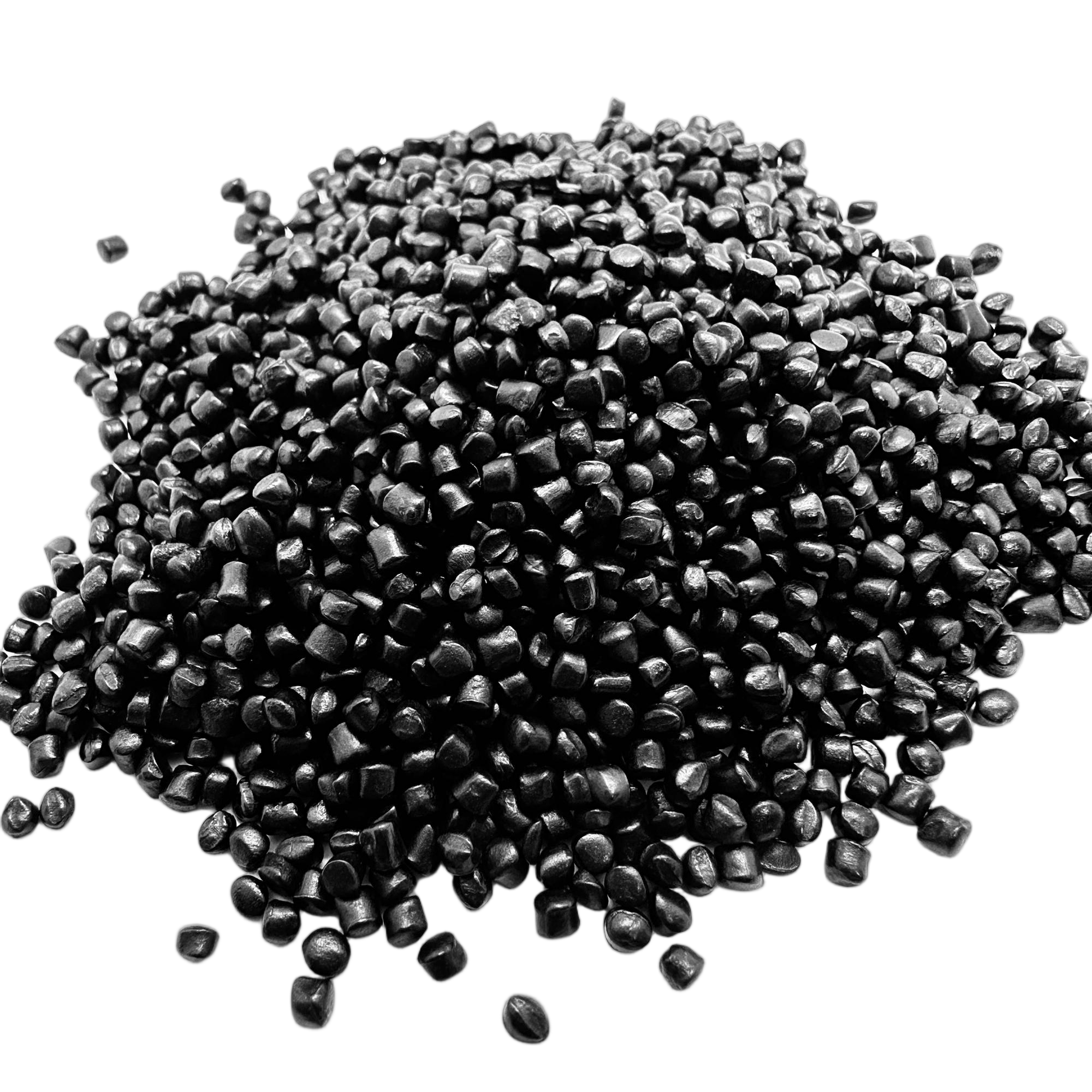
Low Volatile & High Concentration Environmentally Friendly Filled Black Masterbatch WM261YF-WM261YF
Low Volatile & High Concentration Environmentally Friendly Filled Black Masterbatch WM261YF
Introduction WM261YF is produced by unique process in which carbon black is pre-dispersed, then compounded with the basic resin through plastication. It is widely used in injection and modified compounding applications. Suitable for PP PE materials....
Environmentally Resistant Black Masterbatch WM3F-WM3F
Environmentally Resistant Black Masterbatch WM3F
Introduction WM3F is produced by unique process in which carbon black is pre-dispersed, then compounded with the basic resin through plastication. It is widely used in water supply pipe,drip irrigation pipe,corrugated pipe and film blowing applicati...
General Low Carbon Black Masterbatch WME1-WME1
General Low Carbon Black Masterbatch WME1
Introduction WME1 is produced by unique process in which carbon black is pre-dispersed, then compounded with the polymer additive through plastication. It is widely used in injection, extrusion pipe and blow film applications. It features low dosage...
Weather-Resistant Black Filler Masterbatch WM307-WM307
Weather-Resistant Black Filler Masterbatch WM307
Introduction WM307 is produced by unique process in which carbon black is pre-dispersed, then compounded with the basic resin through plastication. It is widely used in injection, blow film and compounding applications. Suitable for PP, PE material...
Durable Black Environmentally Friendly Functional Masterbatch WM30-WM30
Durable Black Environmentally Friendly Functional Masterbatch WM30
Introduction WM30 is produced by unique process in which carbon black is pre-dispersed, then compounded with the basic resin through plastication. It is widely used in injection, modified compounding, pipe & sheet applications. Suitable for PP ,PE a...
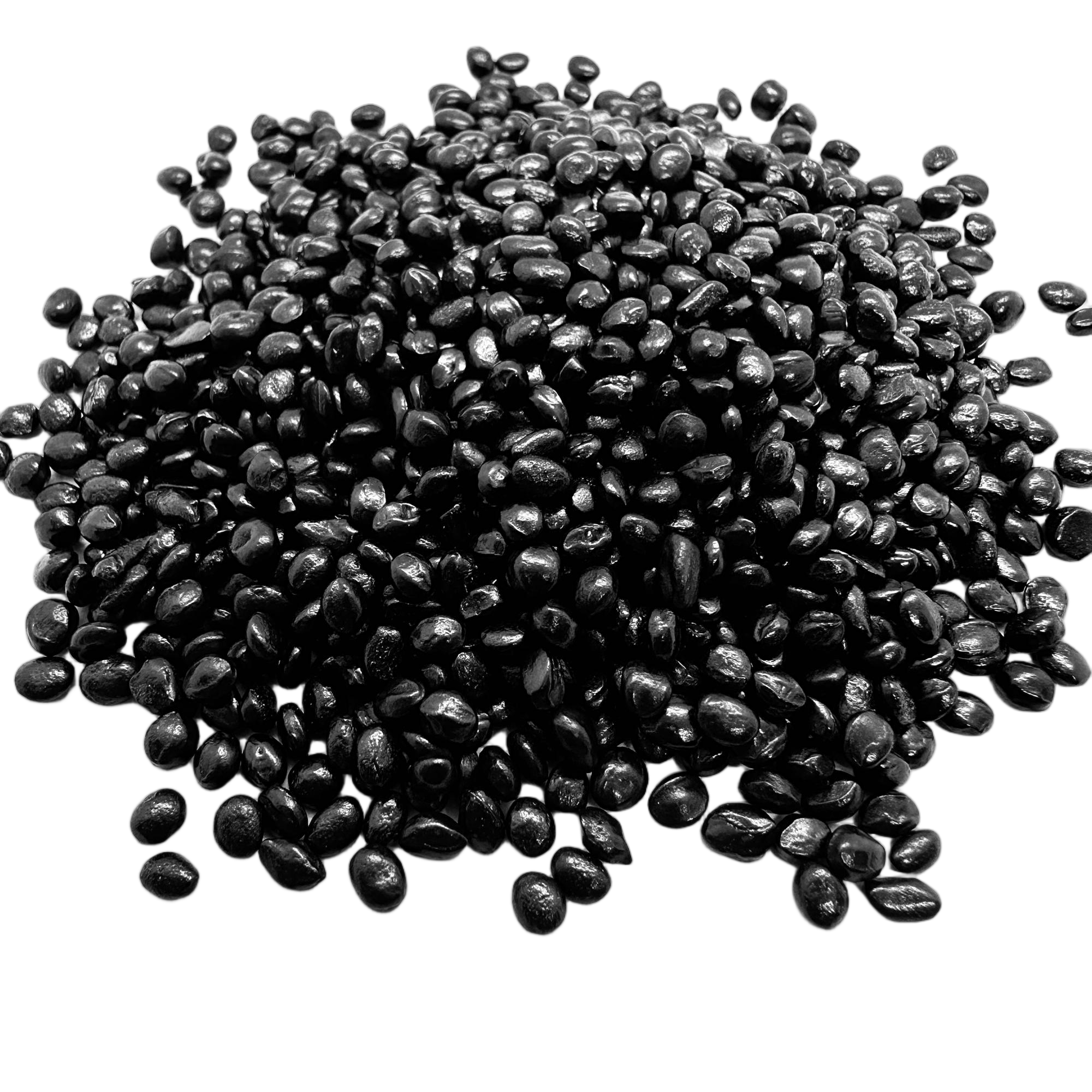
Environmentally Friendly Black Masterbatch WM101-WM101
Environmentally Friendly Black Masterbatch WM101
Introduction WM101 is produced by polymer additive with pre-dispersed carbon black , then compounded with the basic resin through plastication. It is widely used in injection, pipe, blow film applications. It features low dosage, high blackness, goo...
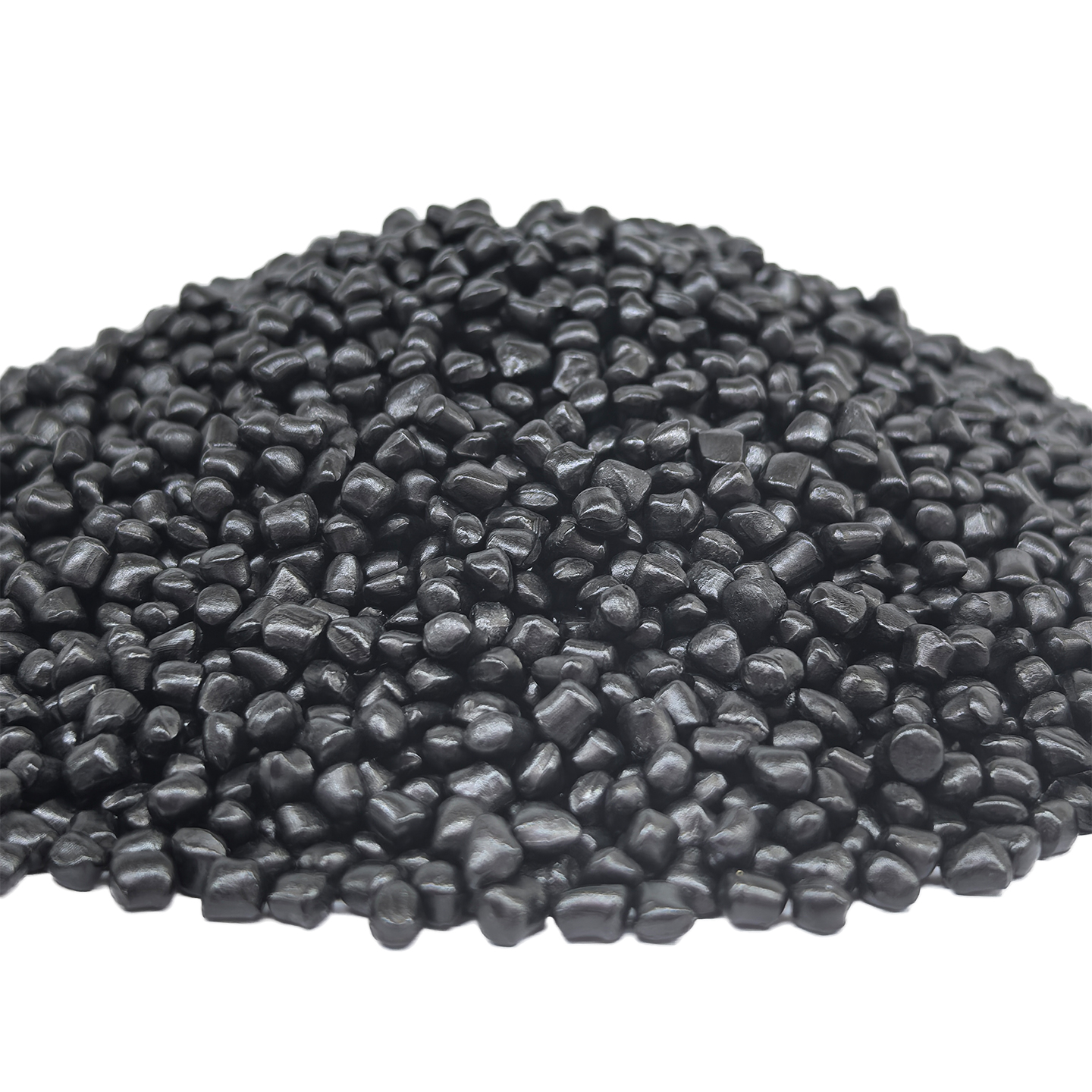
High Concentration Environmentally Friendly Filled Black Masterbatch WM8E-WM8E
High Concentration Environmentally Friendly Filled Black Masterbatch WM8E
Introduction WM8E is produced by unique process in which carbon black is pre-dispersed, then compounded with the basic resin through plastication. It is widely used in film blowing , blowing plastic and injection applications. Suitable for PP and PE...
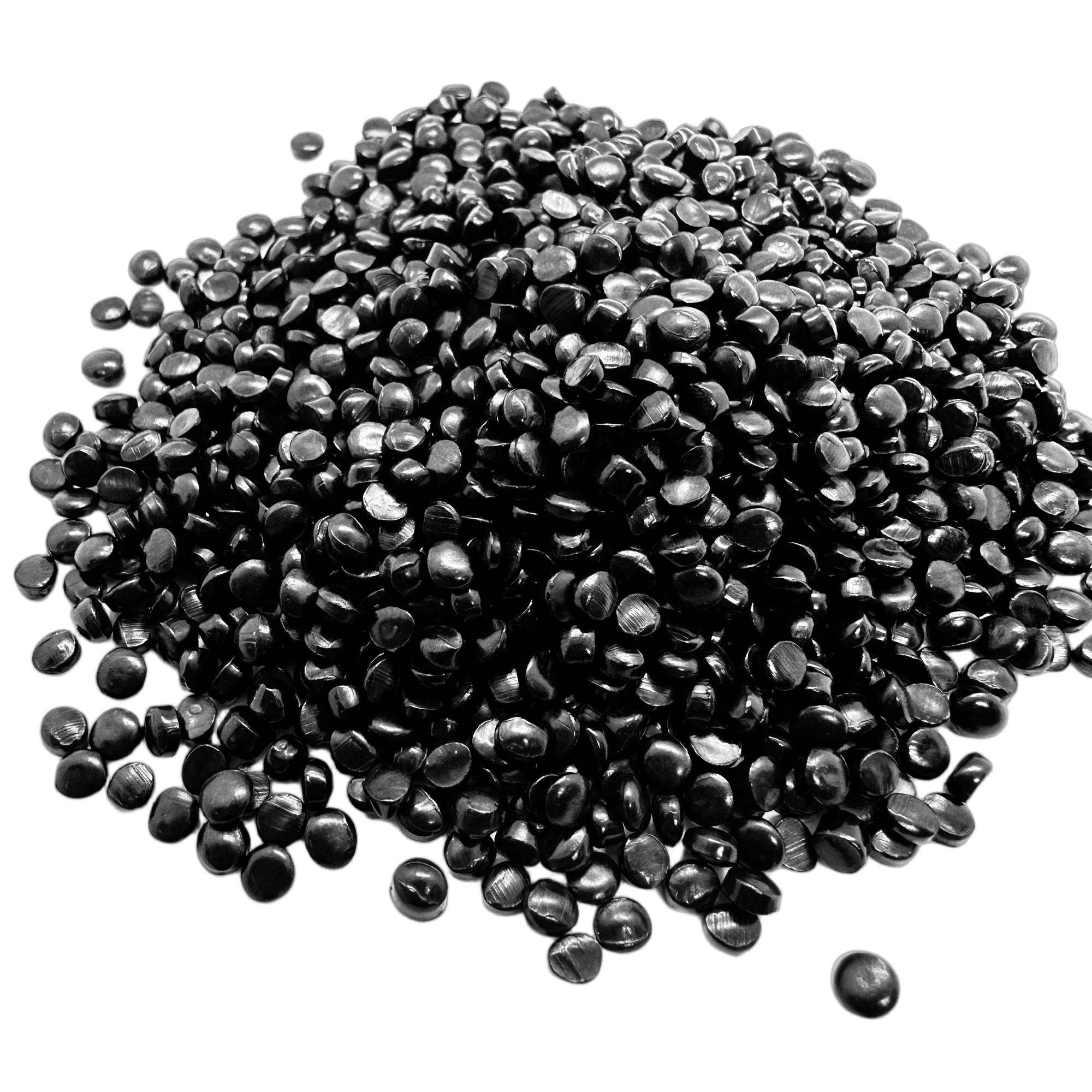
Universal Courier bag Extrusion Black Masterbatch WM2ADM-WM2ADM
Universal Courier bag Extrusion Black Masterbatch WM2ADM
Introduction WM2ADM is produced by unique process in which carbon black is pre-dispersed, then compounded with the basic resin through plastication. It is widely used in film blowing , blowing plastic and fiber applications. Suitable for PP and PE m...
Stable Dispersion & Excellent Hiding Concentrated Mulch Black Masterbatch WMULCH-1-WMULCH-1
Stable Dispersion & Excellent Hiding Concentrated Mulch Black Masterbatch WMULCH-1
Introduction Mulch film is judged in the field, not in the warehouse. By the time a roll reaches the bed former, three things have already decided how the film will behave for the rest of the season: how much carbon black is genuinely in the film, ...
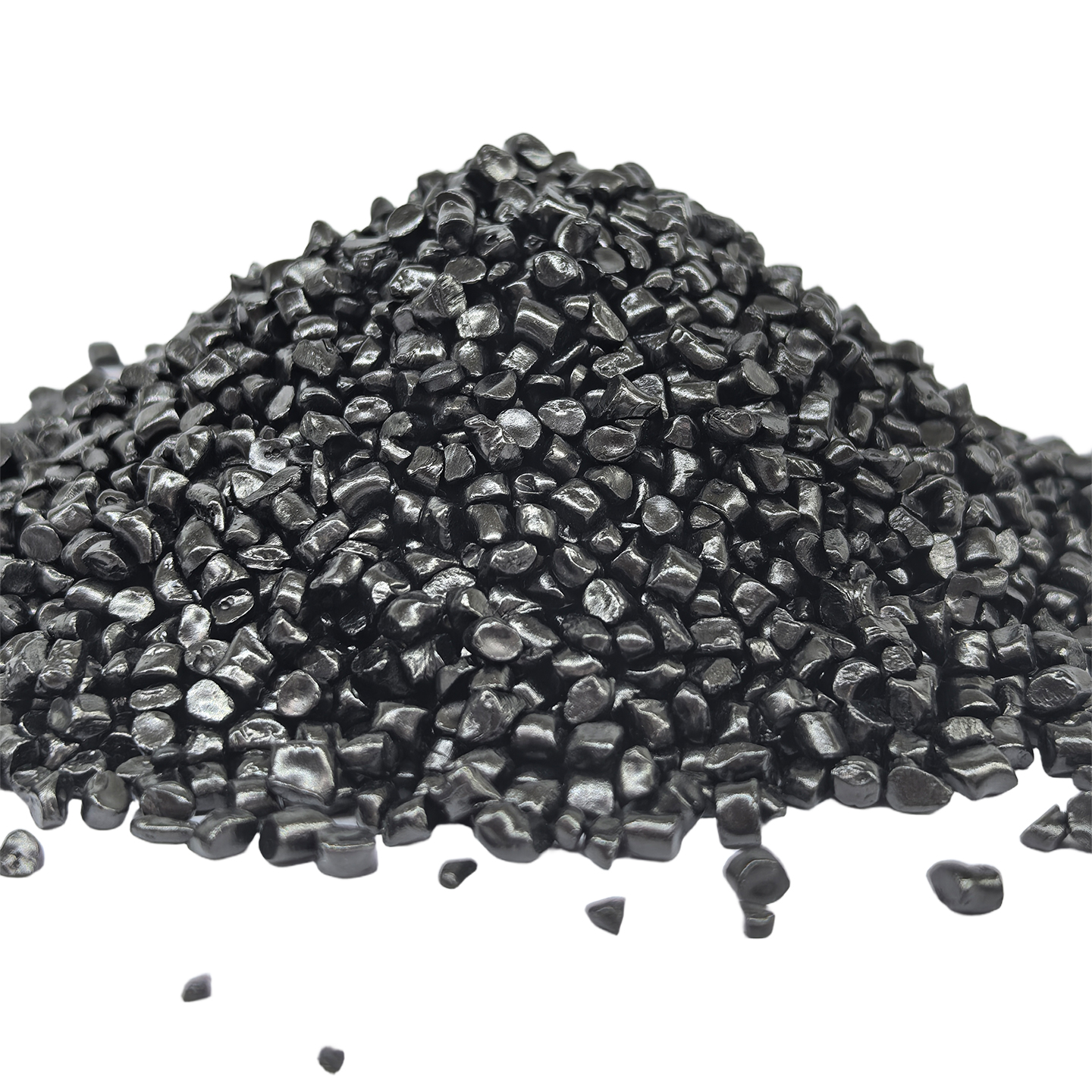
High Concentration Carrier-Free Black Masterbatch WMB34-WMB34
High Concentration Carrier-Free Black Masterbatch WMB34
Introduction WMB34 is produced by unique process in which carbon black is pre-dispersed, then compounded with the basic resin through plastication. It is widely used in injection and modified compounding applications. Suitable for PP PE ABS PA+GF...
Strong And High Pigment Black Masterbatch WM913-WM913
Strong And High Pigment Black Masterbatch WM913
Introduction WM913 is produced by pre-dispersed carbon black with polymer additive, then compounded through plastication. It is widely used in modified compounding applications. Suitable for PP PE ABS PPR ABS HIPS materials. It features low dosage...
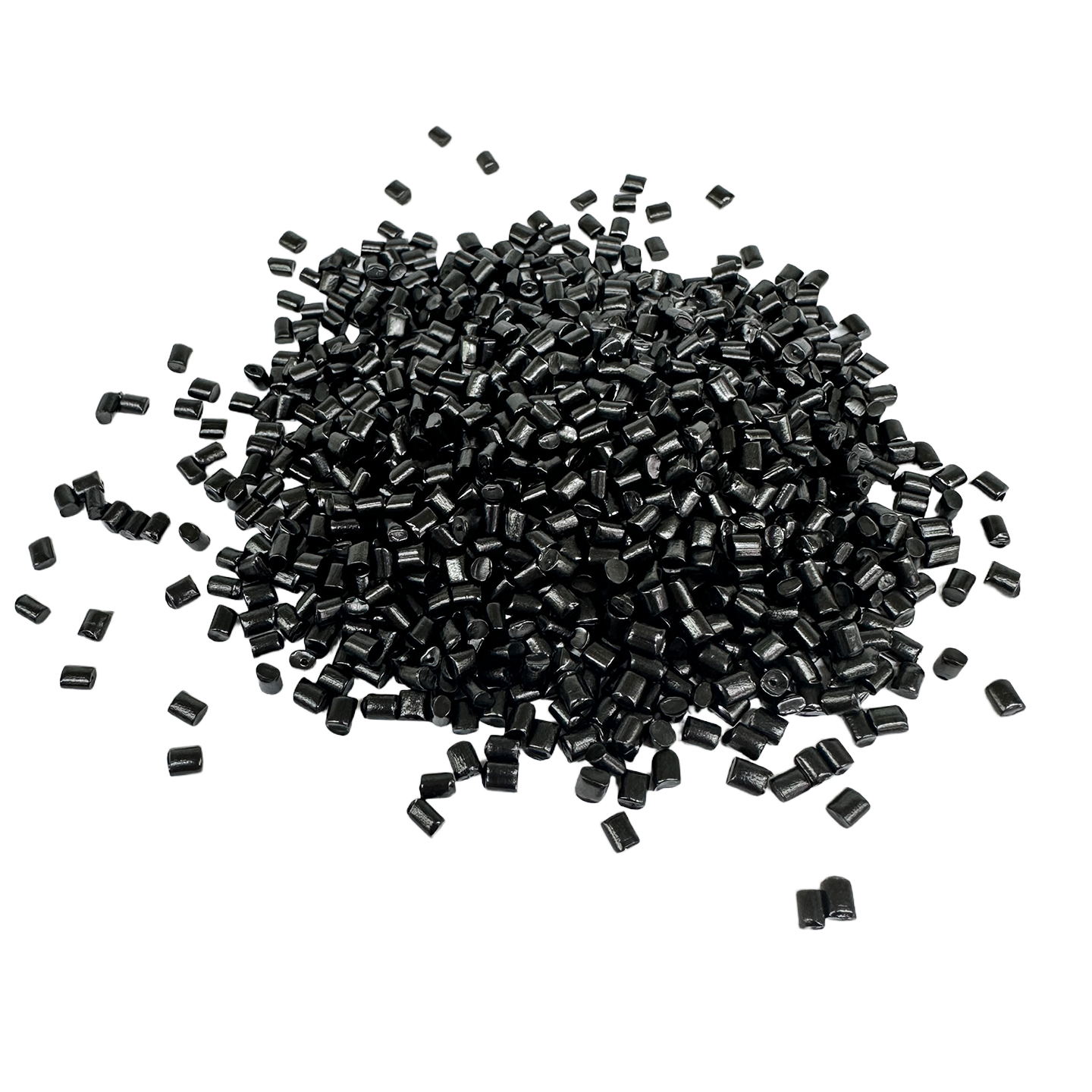
BPA Free & Low Volatile Environmentally Friendly Interior Black Masterbatch WMEG11-WMEG11
BPA Free & Low Volatile Environmentally Friendly Interior Black Masterbatch WMEG11
Introduction WMEG11 is produced by unique process in which carbon black is pre-dispersed, then compounded with the basic resin through plastication. It is widely used in modified compounding and injection applications. Suitable for PP and PE materi...
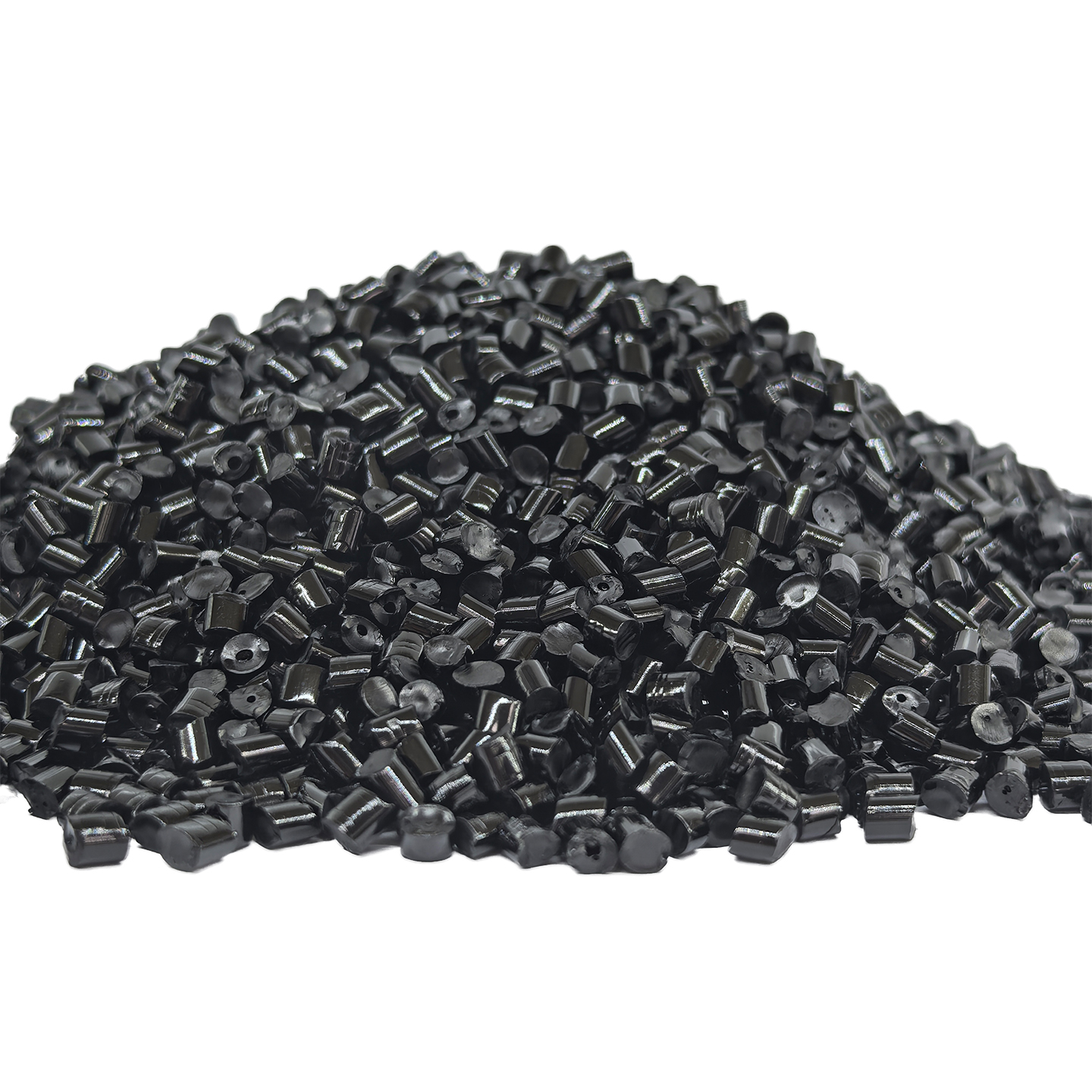
BPA Free & LFGB Approved food grade Black Masterbatch WMB56-WMB56
BPA Free & LFGB Approved food grade Black Masterbatch WMB56
Introduction WMB56, a low-odour black masterbatch for ABS, AS and PC appliance housings WMB56 is produced by unique process in which carbon black is pre-dispersed, then compounded with the basic resin through plastication. It is widely used in inje...
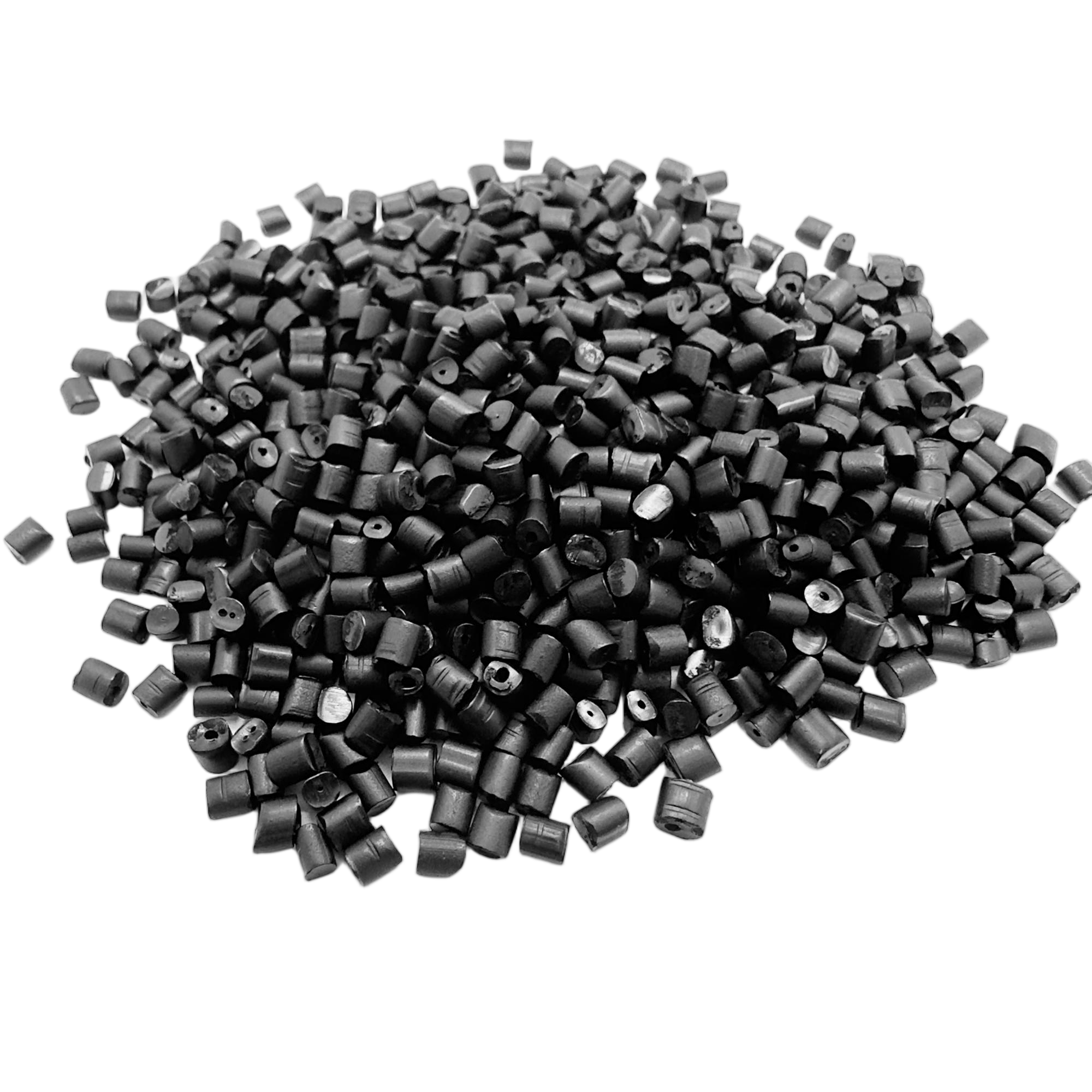
Strong And High Pigment PP Black Masterbatch WM785D-WM785D
Strong And High Pigment PP Black Masterbatch WM785D
Introduction WM785D is produced by unique process in which carbon black is pre-dispersed, then compounded with the basic resin through plastication. It is widely used in modified compounding and injection applications. Suitable for PP and PE materia...
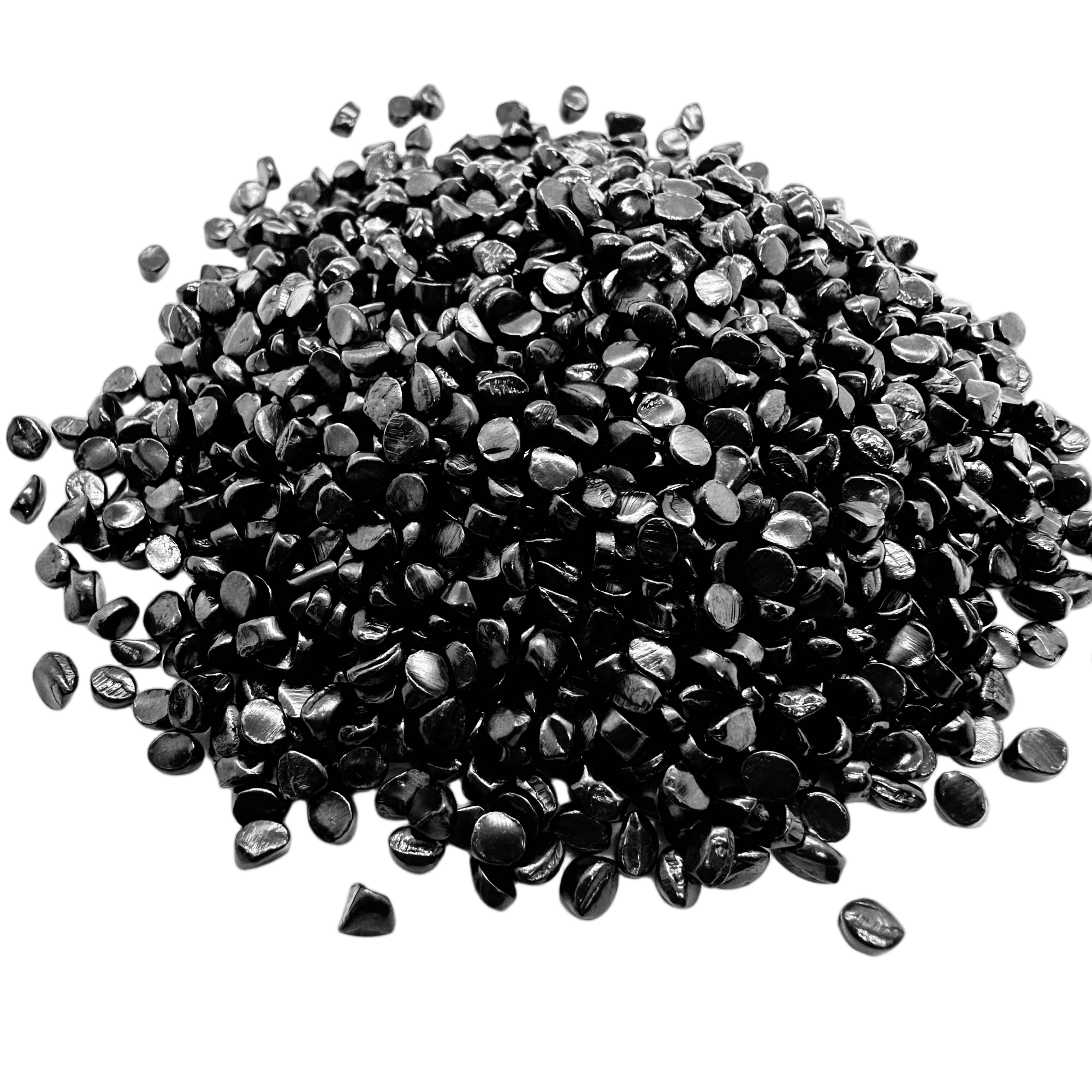
Injection Molding Reinforced Black Masterbatch WM16H (UN2014) -WM16H
Injection Molding Reinforced Black Masterbatch WM16H (UN2014)
Introduction WM16H is produced by pre-dispered carbon black, and then compounded with basic resin. It is widely used in ABS, PC/AS high glossy injection and modifiled compounding applications. Suitable for PP PE PC/ABS GPPS POM GPPS PA+GF materials....
Structure-Enhanced SAN Black Masterbatch WM2A-WM2A
Structure-Enhanced SAN Black Masterbatch WM2A
Introduction WM2A is produced by high-pigment carbon black with AS as carrier and special dispersion agent. Its carbon black is stable and blue-shape grade. Suitable for ABS PC high glossy injection materials, also PPO PPS PA PET etc. thermoplasti...
Structure-Enhanced PS Black Masterbatch WM626-WM626
Structure-Enhanced PS Black Masterbatch WM626
Introduction WM626 is produced by unique process in which carbon black is pre-dispersed, then compounded with the basic resin through plastication. It is widely used in extrusion and injection applications. Suitable for HIPS materials. It features lo...
Structure-Enhanced PC Black Masterbatch WM6245-WM6245
Structure-Enhanced PC Black Masterbatch WM6245
Introduction WM6245 is produced by unique process in which carbon black is pre-dispersed, then compounded with the basic resin through plastication. It is widely used in extrusion and high glossy injection applications. Suitable for PC ABS/PC materia...
Universal Environmentally Resistant Black Masterbatch WM72-WM72
Universal Environmentally Resistant Black Masterbatch WM72
Introduction WM72 is produced by unique process in which carbon black is pre-dispersed, then compounded with the basic resin through plastication. It is widely used in film blowing and injection applications. Suitable for PP and PE materials. It fea...
Environmentally Friendly FDA approved & food grade Black Masterbatch WM70E2-WM70E2
Environmentally Friendly FDA approved & food grade Black Masterbatch WM70E2
Introduction WM70E2 is produced by unique process in which carbon black is pre-dispersed, then compounded with the basic resin through plastication. It is widely used in injection (both general and thin wall injection), blow molding and extrusion sh...
Low Volatile & High Concentration Environmentally Friendly Filled Black Masterbatch WM261YF-WM261YF
Low Volatile & High Concentration Environmentally Friendly Filled Black Masterbatch WM261YF
Introduction WM261YF is produced by unique process in which carbon black is pre-dispersed, then compounded with the basic resin through plastication. It is widely used in injection and modified compounding applications. Suitable for PP PE materials....
Environmentally Resistant Black Masterbatch WM3F-WM3F
Environmentally Resistant Black Masterbatch WM3F
Introduction WM3F is produced by unique process in which carbon black is pre-dispersed, then compounded with the basic resin through plastication. It is widely used in water supply pipe,drip irrigation pipe,corrugated pipe and film blowing applicati...
General Low Carbon Black Masterbatch WME1-WME1
General Low Carbon Black Masterbatch WME1
Introduction WME1 is produced by unique process in which carbon black is pre-dispersed, then compounded with the polymer additive through plastication. It is widely used in injection, extrusion pipe and blow film applications. It features low dosage...
Weather-Resistant Black Filler Masterbatch WM307-WM307
Weather-Resistant Black Filler Masterbatch WM307
Introduction WM307 is produced by unique process in which carbon black is pre-dispersed, then compounded with the basic resin through plastication. It is widely used in injection, blow film and compounding applications. Suitable for PP, PE material...
Durable Black Environmentally Friendly Functional Masterbatch WM30-WM30
Durable Black Environmentally Friendly Functional Masterbatch WM30
Introduction WM30 is produced by unique process in which carbon black is pre-dispersed, then compounded with the basic resin through plastication. It is widely used in injection, modified compounding, pipe & sheet applications. Suitable for PP ,PE a...
Get Your Free Sample Now
Submit this form and our sales representative will contact you soon.

Contact Us
Tel: +86 757 8118 6668/+86 139 2320 6383
Sales Hotline: +86 139 2320 6383
Address: No. 55, Yong'an Avenue, Guanyao, Shishan Town, Nanhai District, Foshan City, Guangdong Province, China.
Inquire
Copyright © 2026 Guangdong Jolink Technology Co., Ltd.