
SEARCH WHAT YOU WANT
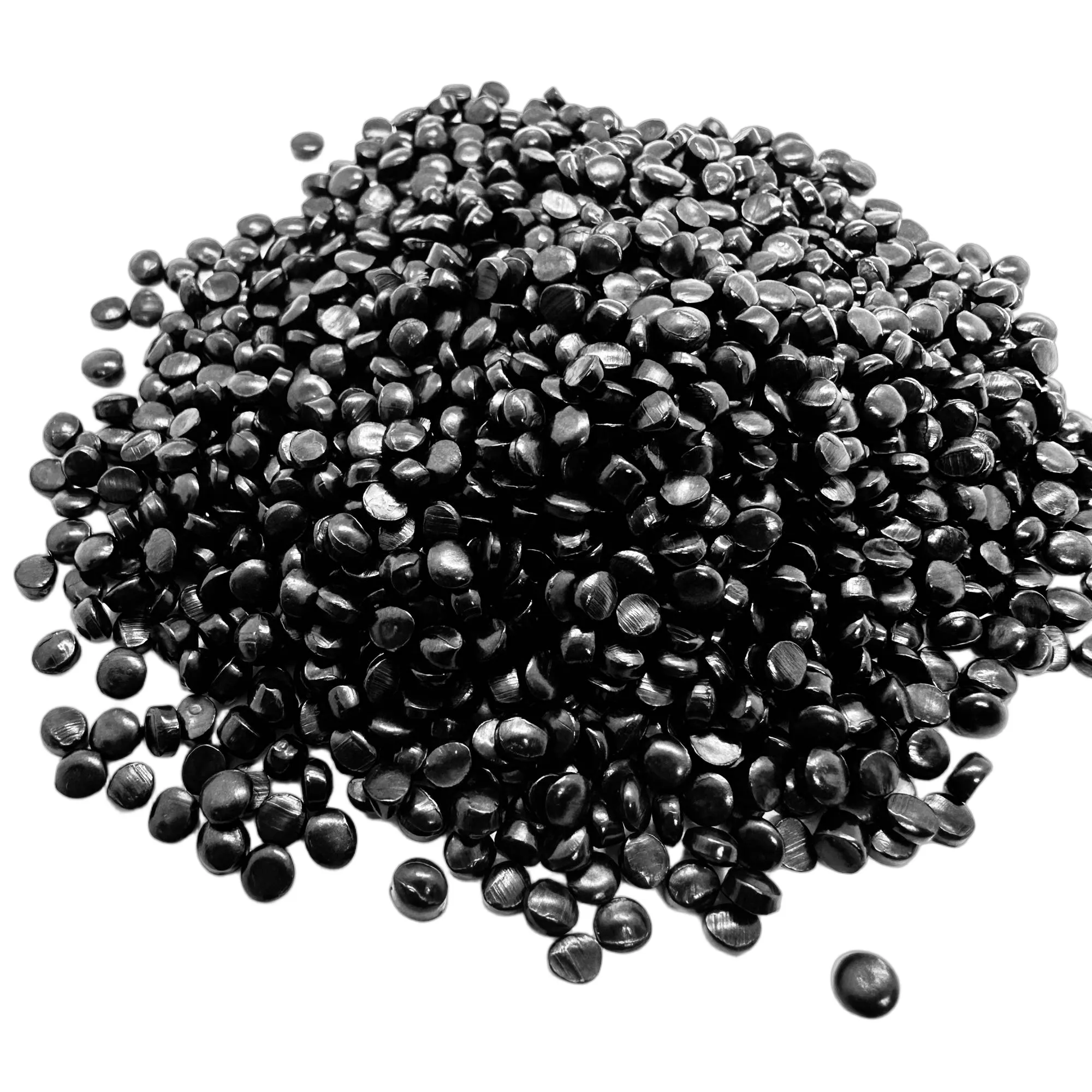
Universal Courier bag Extrusion Black Masterbatch WM2ADM
 |
 |
Introduction
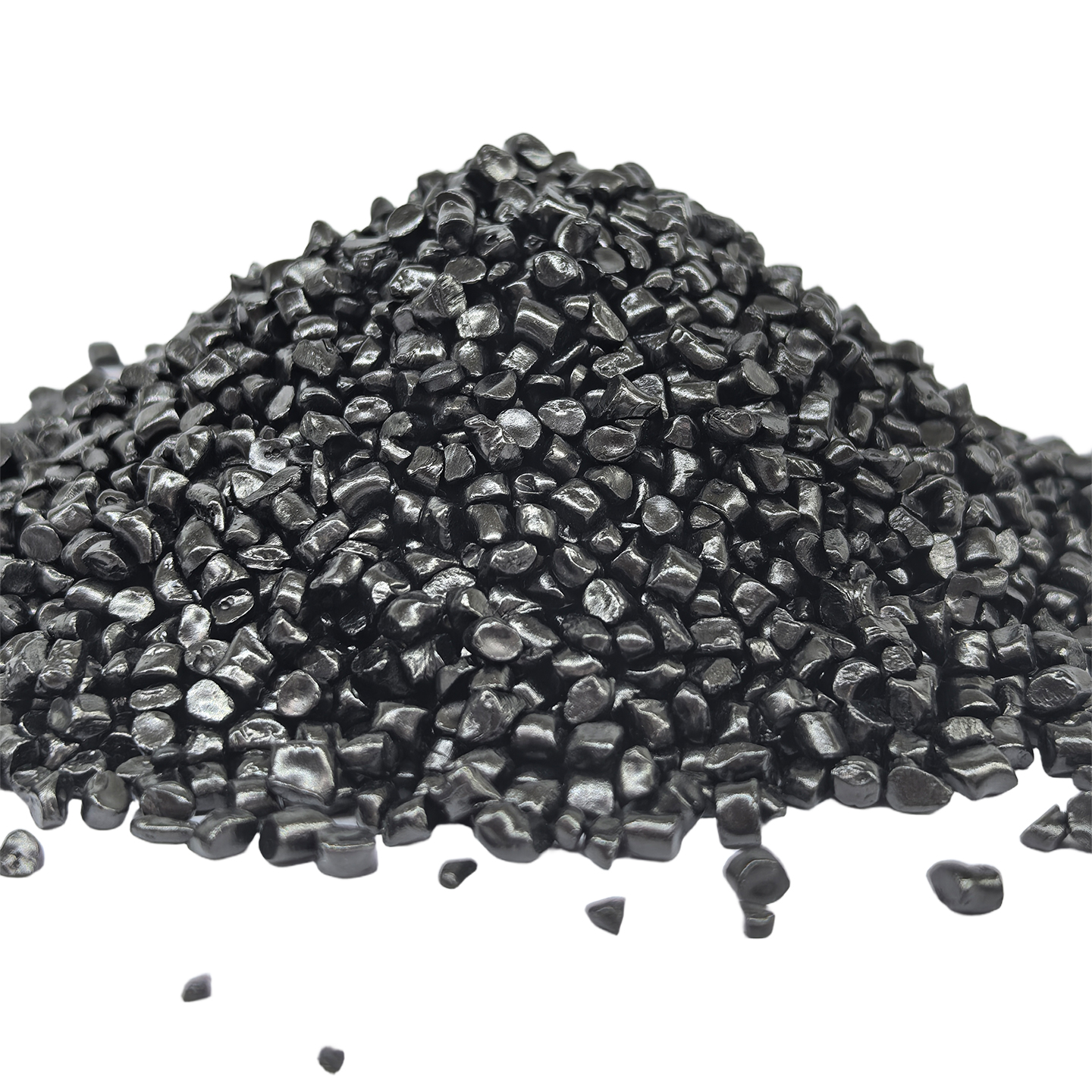
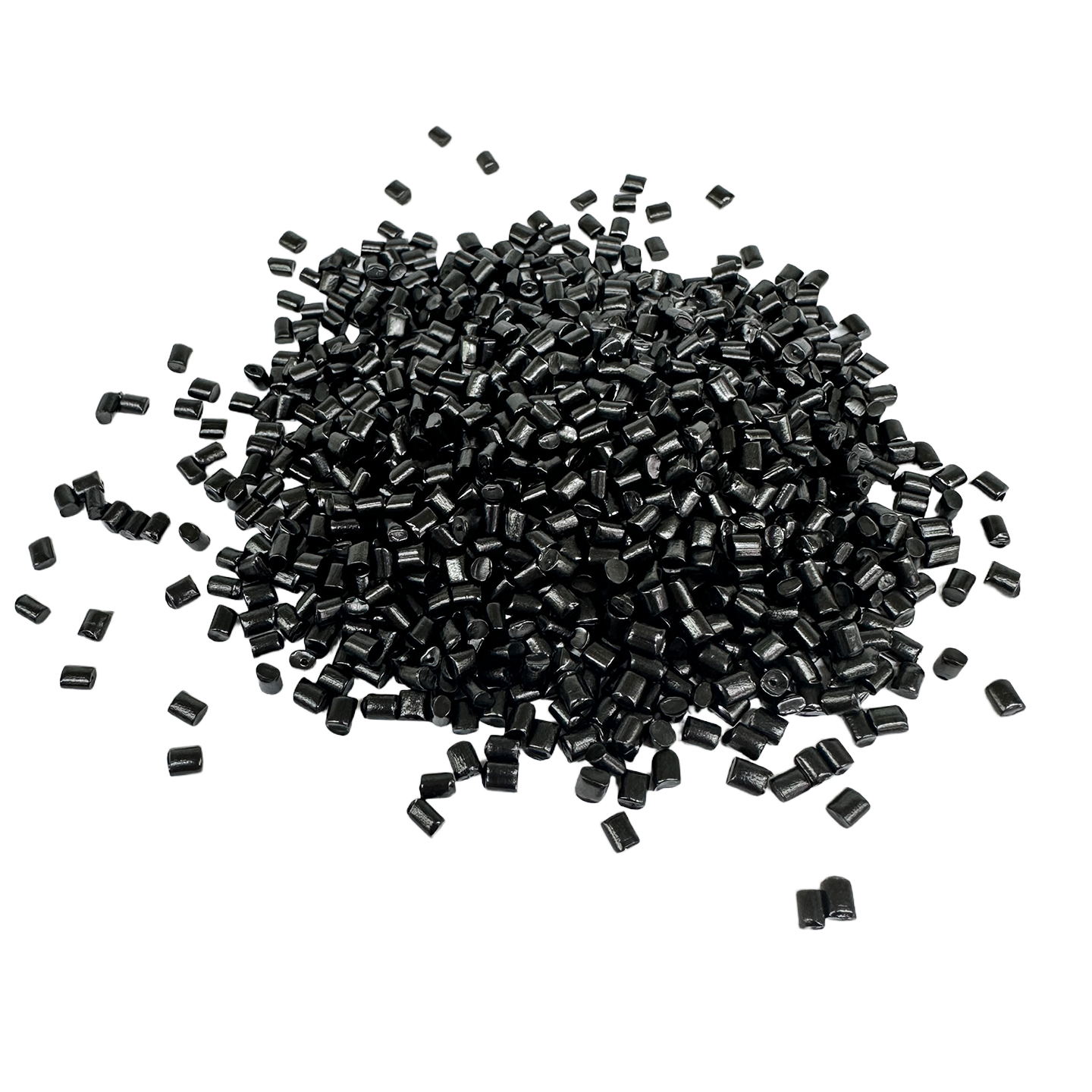
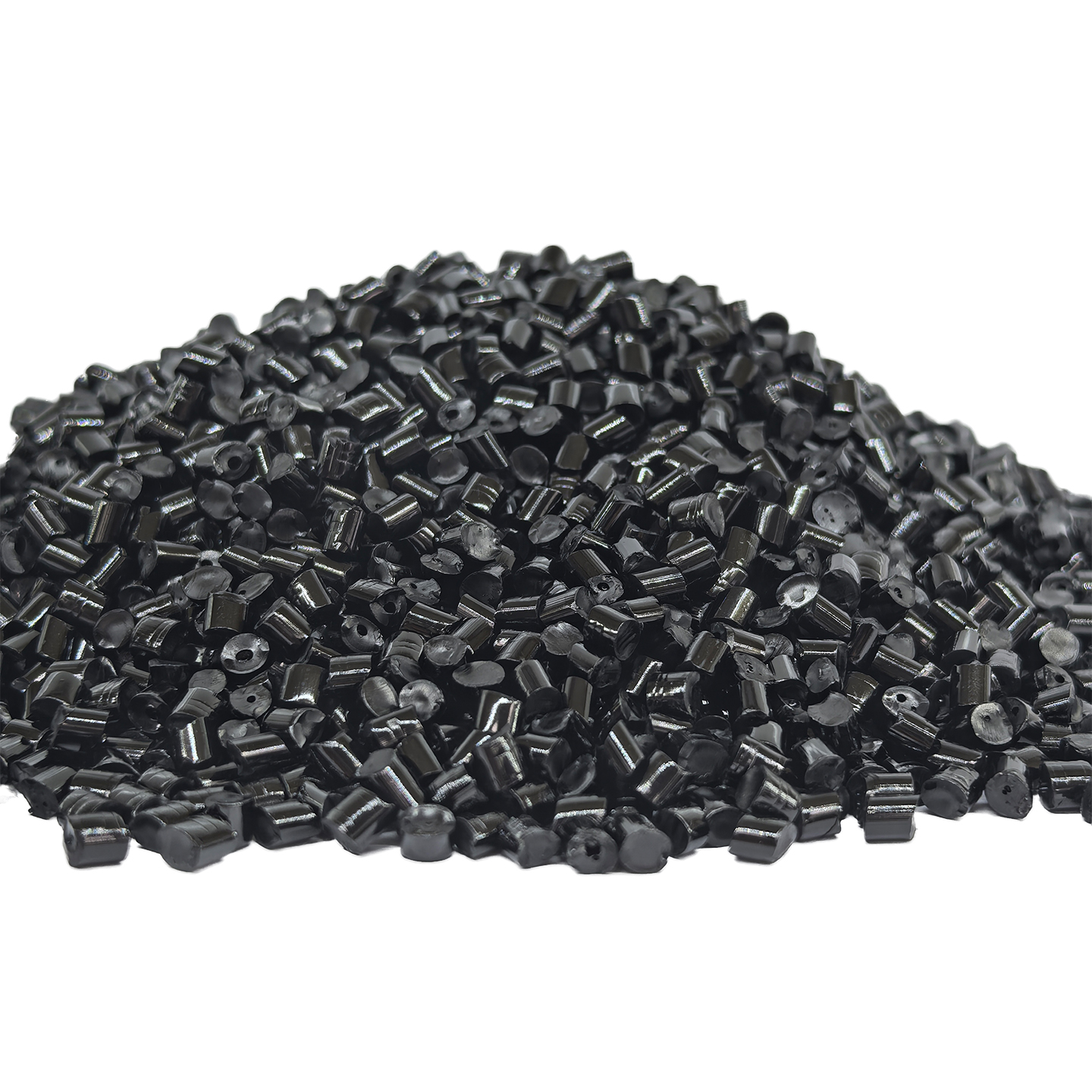
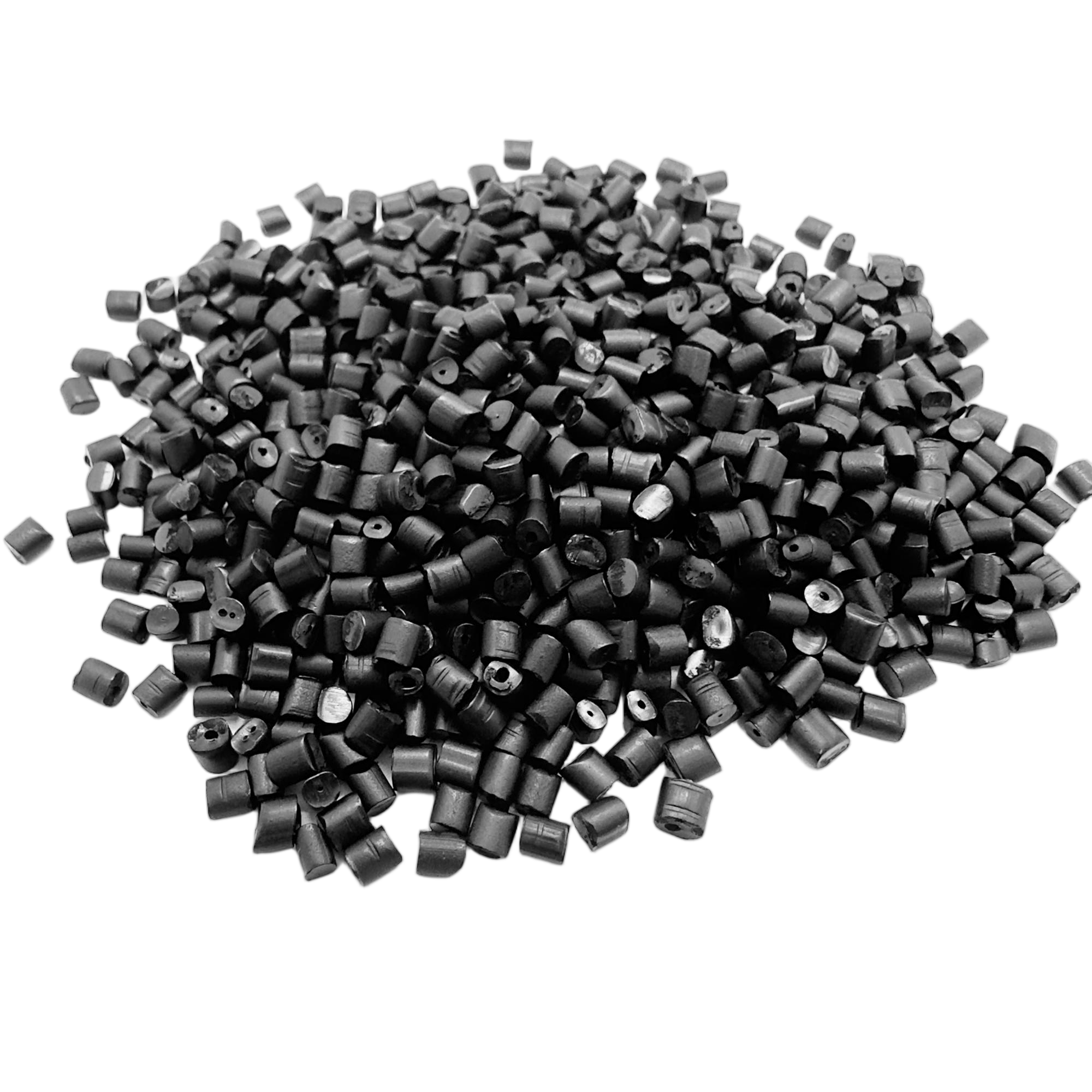
WM2ADM is produced by unique process in which carbon black is pre-dispersed, then compounded with the basic resin through plastication. It is widely used in film blowing , blowing plastic and fiber applications. Suitable for PP and PE materials. It features low dosage, high blackness, good brightness, excellent heat resistance, outstanding dispersibility and tinting power, and minimal impact on the physical properties of the final product.
Where WM2ADM goes
Courier bags and e-commerce mailers
Mailer film gets judged on four things at once. Black has to hold across the full roll width, and the seal has to hold at the tamper-evident strip.
The print side has to take flexo without skipping, and the finished bag has to come off the sortation line with no pinholes.
WM2ADM runs in co-extruded mailer film from 40 to 75 µm, usually in the inner layer that hides the contents.
Letdown is set per gauge rather than per grade, because blocking light through a 45 µm film takes more carbon black than the same job at 75 µm.
Recycled content moves the number too. Black absorbs the discolouration a PCR stream brings in, so once regrind passes roughly a third of the blend, 6–8% becomes a normal letdown range.
Heavy-duty film that has to survive sunlight
Geomembrane liners, construction cover film and silage sheeting sit outdoors for years.
In those films the carbon black is doing UV work as much as colour work. GRI GM13, the spec most HDPE geomembrane buyers work to,
puts carbon black in the finished sheet at 2.0–3.0% by ASTM D4218, with dispersion rated Category 1 or 2 under ASTM D5596. WM2ADM gets you there at 4.4–6.7% letdown.
Mulch film runs on a separate grade, covered on our concentrated black masterbatch for mulch film page.
Technical Parameter
| Carbon Content | 45%±1.5 |
| Carrier | PE |
| MFI | 1-10 (g/ 10min(190℃ 10kg) |
| Moisture | ≤0.3% |
| Dispersion | Excellent (≤ Level 3) |
| Compliance | RoHS REACH TSCA |
| Application | Injection (Mirror Effect) , Blow film (Casting,courier,geotextile membrane), Fiber |
| Dosage Advice | Film blowing: 4.0–8.0% Injection: 0.8–2.0% |
| OEM | Accpeted |
Why it holds up
At 45%, the loading does most of the work. One tonne of resin needs 44 kg of masterbatch to reach 2.0% carbon black in the film.
The same job on a 27% grade takes 74 kg. Less material through the hopper also means less of it that can drift off target over a long run.
Dispersion is settled before the pellets reach you. Carbon black that stays agglomerated shows up as specks on the print side, and as a climbing pressure differential across the screen pack.
We break those agglomerates down at the pellet stage, so the work is finished before the material goes into your extruder.
Pellet consistency matters for the same reason. Melt pressure and melt temperature have to sit inside a tight window through the die, and an even pellet is what keeps a gravimetric feeder on setpoint.
Every batch passes two screens, oversize off the top and fines off the bottom. The die and cutting settings behind that are set out in why our pellet size is so uniform.
On documentation, we supply RoHS for EU and UK retail programmes, REACH for SVHC declarations and TSCA for US importers.
A data sheet, a safety data sheet and a batch certificate of analysis ship with every order.
Getting consistent results on the line
Most of the line problems we get asked about come down to four or five habits rather than to the masterbatch itself.
Dry the resin. The pellets arrive sealed and hold ≤0.3% moisture as long as the bag stays closed. The water that causes bubble breaks and pinholes comes in with the base resin. With chalk-filled or PCR resin it comes in quickly.
Feed by weight. At 4–5% letdown, a 0.3-point error from a volumetric feeder is 6–7% of the carbon black going into the film.
Set letdown per gauge, then verify it on your own film. Light block is measured on finished film, so a data sheet figure is a starting point rather than an answer.
It moves with gauge, with resin, and with the light source you test against.
Change screens on pressure rise. A climbing screen pack warns you about agglomerates or moisture well before a surface defect appears. A fixed schedule either wastes screens or lets a problem reach the bubble.
Purge after colour. Black is a one-way colour, so a white or coloured job following black needs a full purge until the last of it clears the die.
If the line runs PP, raise the melt temperature above 210 °C, because a PE carrier does not share a viscosity curve with PP.
Compliance and documentation
WM2ADM ships with RoHS, REACH and TSCA statements, a technical data sheet, a safety data sheet and a per-batch certificate of analysis.
Ash content and dispersion can be reported per batch on request.
Frequently asked questions
How much WM2ADM do I add for a light-blocking mailer film? Work from the target in the finished film. 2.0% carbon black needs 4.4% WM2ADM, and 2.5% needs 5.6%.
Thinner film takes more letdown for the same light block, because block depends on carbon black percentage multiplied by thickness.
Does it work in the inner layer of a co-extruded mailer? It goes in the inner layer, yes, and that is where it usually sits on a black-interior mailer. Only the layer carrying the colour pays for the carbon black.
Can I use it with recycled or PCR resin? Yes, and black hides the discolouration the stream brings in. Expect letdown to move up as recycled content rises. At roughly a third PCR, 6% is a reasonable place to start.
Will a PE-carrier masterbatch work in PP film? The carrier needs watching. Raise the melt temperature above 210 °C and trial before you commit to a full order. If PP is your main resin, say so at enquiry stage.
Is WM2ADM a food-contact grade? No. If food contact is involved we will point you to the food-grade FDA-approved black masterbatch range,
so you are not taking an unsuitable grade into a compliance review.
Packing and Storage
25kg/bag, PE or Composite Paper bag
Stored under dry, enclosed and cool conditions, protected from UV rays and/or direct sunlight. After used, the opened packaging must be resealed properly to prevent the product from absorbing moisture, which could affect its performance.
Note
The technical results are typical values and are provided for customer reference only. They are not to be regarded as a guarantee of minimum or maximum quality specifications.
|
Introduction
WM2ADM is produced by unique process in which carbon black is pre-dispersed, then compounded with the basic resin through plastication. It is widely used in film blowing , blowing plastic and fiber applications. Suitable for PP and PE materials. It features low dosage, high blackness, good brightness, excellent heat resistance, outstanding dispersibility and tinting power, and minimal impact on the physical properties of the final product.
Where WM2ADM goes
Courier bags and e-commerce mailers
Mailer film gets judged on four things at once. Black has to hold across the full roll width, and the seal has to hold at the tamper-evident strip.
The print side has to take flexo without skipping, and the finished bag has to come off the sortation line with no pinholes.
WM2ADM runs in co-extruded mailer film from 40 to 75 µm, usually in the inner layer that hides the contents.
Letdown is set per gauge rather than per grade, because blocking light through a 45 µm film takes more carbon black than the same job at 75 µm.
Recycled content moves the number too. Black absorbs the discolouration a PCR stream brings in, so once regrind passes roughly a third of the blend, 6–8% becomes a normal letdown range.
Heavy-duty film that has to survive sunlight
Geomembrane liners, construction cover film and silage sheeting sit outdoors for years.
In those films the carbon black is doing UV work as much as colour work. GRI GM13, the spec most HDPE geomembrane buyers work to,
puts carbon black in the finished sheet at 2.0–3.0% by ASTM D4218, with dispersion rated Category 1 or 2 under ASTM D5596. WM2ADM gets you there at 4.4–6.7% letdown.
Mulch film runs on a separate grade, covered on our concentrated black masterbatch for mulch film page.
Technical Parameter
| Carbon Content | 45%±1.5 |
| Carrier | PE |
| MFI | 1-10 (g/ 10min(190℃ 10kg) |
| Moisture | ≤0.3% |
| Dispersion | Excellent (≤ Level 3) |
| Compliance | RoHS REACH TSCA |
| Application | Injection (Mirror Effect) , Blow film (Casting,courier,geotextile membrane), Fiber |
| Dosage Advice | Film blowing: 4.0–8.0% Injection: 0.8–2.0% |
| OEM | Accpeted |
Why it holds up
At 45%, the loading does most of the work. One tonne of resin needs 44 kg of masterbatch to reach 2.0% carbon black in the film.
The same job on a 27% grade takes 74 kg. Less material through the hopper also means less of it that can drift off target over a long run.
Dispersion is settled before the pellets reach you. Carbon black that stays agglomerated shows up as specks on the print side, and as a climbing pressure differential across the screen pack.
We break those agglomerates down at the pellet stage, so the work is finished before the material goes into your extruder.
Pellet consistency matters for the same reason. Melt pressure and melt temperature have to sit inside a tight window through the die, and an even pellet is what keeps a gravimetric feeder on setpoint.
Every batch passes two screens, oversize off the top and fines off the bottom. The die and cutting settings behind that are set out in why our pellet size is so uniform.
On documentation, we supply RoHS for EU and UK retail programmes, REACH for SVHC declarations and TSCA for US importers.
A data sheet, a safety data sheet and a batch certificate of analysis ship with every order.
Getting consistent results on the line
Most of the line problems we get asked about come down to four or five habits rather than to the masterbatch itself.
Dry the resin. The pellets arrive sealed and hold ≤0.3% moisture as long as the bag stays closed. The water that causes bubble breaks and pinholes comes in with the base resin. With chalk-filled or PCR resin it comes in quickly.
Feed by weight. At 4–5% letdown, a 0.3-point error from a volumetric feeder is 6–7% of the carbon black going into the film.
Set letdown per gauge, then verify it on your own film. Light block is measured on finished film, so a data sheet figure is a starting point rather than an answer.
It moves with gauge, with resin, and with the light source you test against.
Change screens on pressure rise. A climbing screen pack warns you about agglomerates or moisture well before a surface defect appears. A fixed schedule either wastes screens or lets a problem reach the bubble.
Purge after colour. Black is a one-way colour, so a white or coloured job following black needs a full purge until the last of it clears the die.
If the line runs PP, raise the melt temperature above 210 °C, because a PE carrier does not share a viscosity curve with PP.
Compliance and documentation
WM2ADM ships with RoHS, REACH and TSCA statements, a technical data sheet, a safety data sheet and a per-batch certificate of analysis.
Ash content and dispersion can be reported per batch on request.
Frequently asked questions
How much WM2ADM do I add for a light-blocking mailer film? Work from the target in the finished film. 2.0% carbon black needs 4.4% WM2ADM, and 2.5% needs 5.6%.
Thinner film takes more letdown for the same light block, because block depends on carbon black percentage multiplied by thickness.
Does it work in the inner layer of a co-extruded mailer? It goes in the inner layer, yes, and that is where it usually sits on a black-interior mailer. Only the layer carrying the colour pays for the carbon black.
Can I use it with recycled or PCR resin? Yes, and black hides the discolouration the stream brings in. Expect letdown to move up as recycled content rises. At roughly a third PCR, 6% is a reasonable place to start.
Will a PE-carrier masterbatch work in PP film? The carrier needs watching. Raise the melt temperature above 210 °C and trial before you commit to a full order. If PP is your main resin, say so at enquiry stage.
Is WM2ADM a food-contact grade? No. If food contact is involved we will point you to the food-grade FDA-approved black masterbatch range,
so you are not taking an unsuitable grade into a compliance review.
Packing and Storage
25kg/bag, PE or Composite Paper bag
Stored under dry, enclosed and cool conditions, protected from UV rays and/or direct sunlight. After used, the opened packaging must be resealed properly to prevent the product from absorbing moisture, which could affect its performance.
Note
The technical results are typical values and are provided for customer reference only. They are not to be regarded as a guarantee of minimum or maximum quality specifications.
Previous: No more data
Next: No more data
Related Products
Structure-Enhanced PC Black Masterbatch WM6245-WM6245
Structure-Enhanced PC Black Masterbatch WM6245
Introduction WM6245 is produced by unique process in which carbon black is pre-dispersed, then compounded with the basic resin through plastication. It is widely used in extrusion and high glossy injection applications. Suitable for PC ABS/PC materia...
Universal Environmentally Resistant Black Masterbatch WM72-WM72
Universal Environmentally Resistant Black Masterbatch WM72
Introduction WM72 is produced by unique process in which carbon black is pre-dispersed, then compounded with the basic resin through plastication. It is widely used in film blowing and injection applications. Suitable for PP and PE materials. It fea...
Environmentally Friendly FDA approved & food grade Black Masterbatch WM70E2-WM70E2
Environmentally Friendly FDA approved & food grade Black Masterbatch WM70E2
Introduction WM70E2 is produced by unique process in which carbon black is pre-dispersed, then compounded with the basic resin through plastication. It is widely used in injection (both general and thin wall injection), blow molding and extrusion sh...
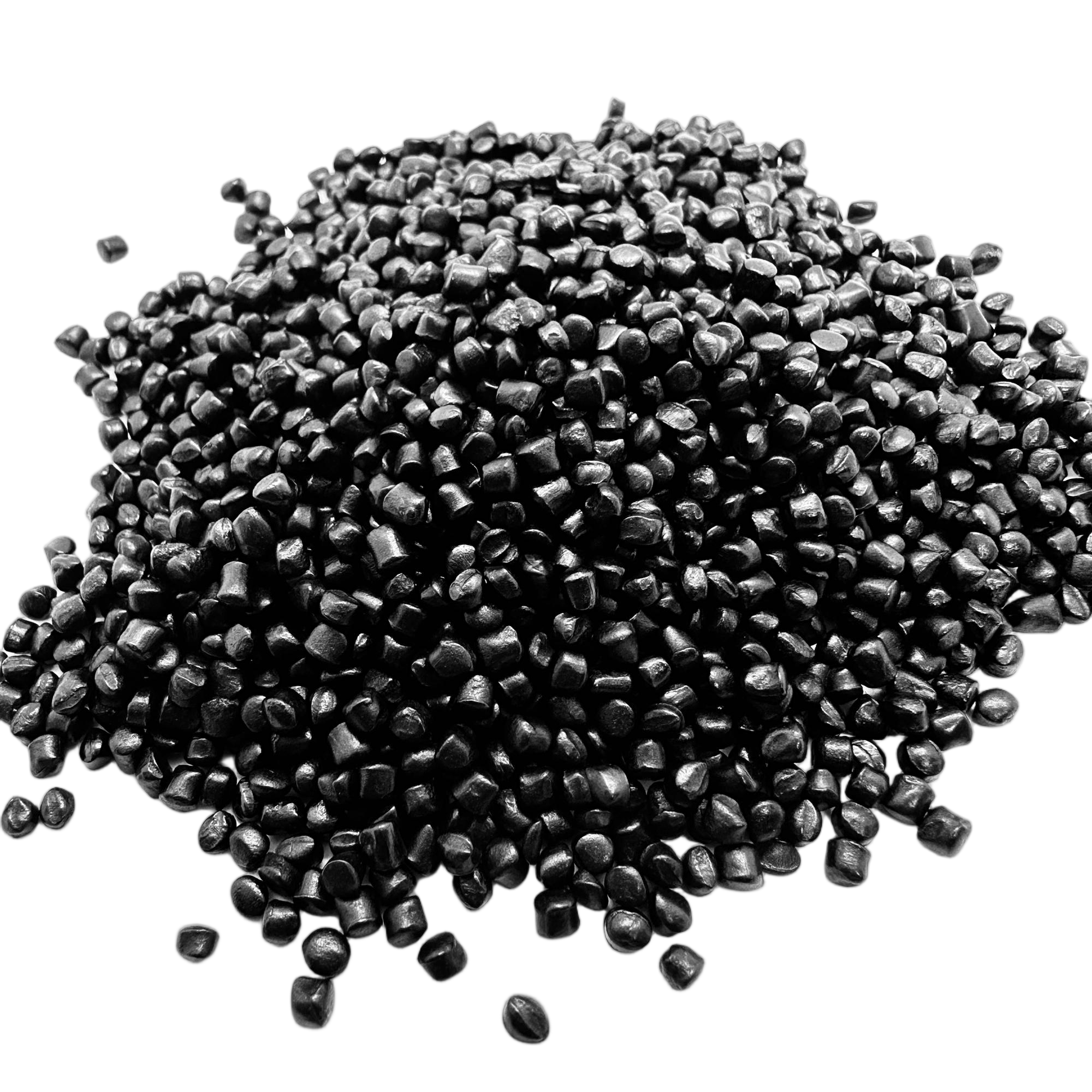
Low Volatile & High Concentration Environmentally Friendly Filled Black Masterbatch WM261YF-WM261YF
Low Volatile & High Concentration Environmentally Friendly Filled Black Masterbatch WM261YF
Introduction WM261YF is produced by unique process in which carbon black is pre-dispersed, then compounded with the basic resin through plastication. It is widely used in injection and modified compounding applications. Suitable for PP PE materials....
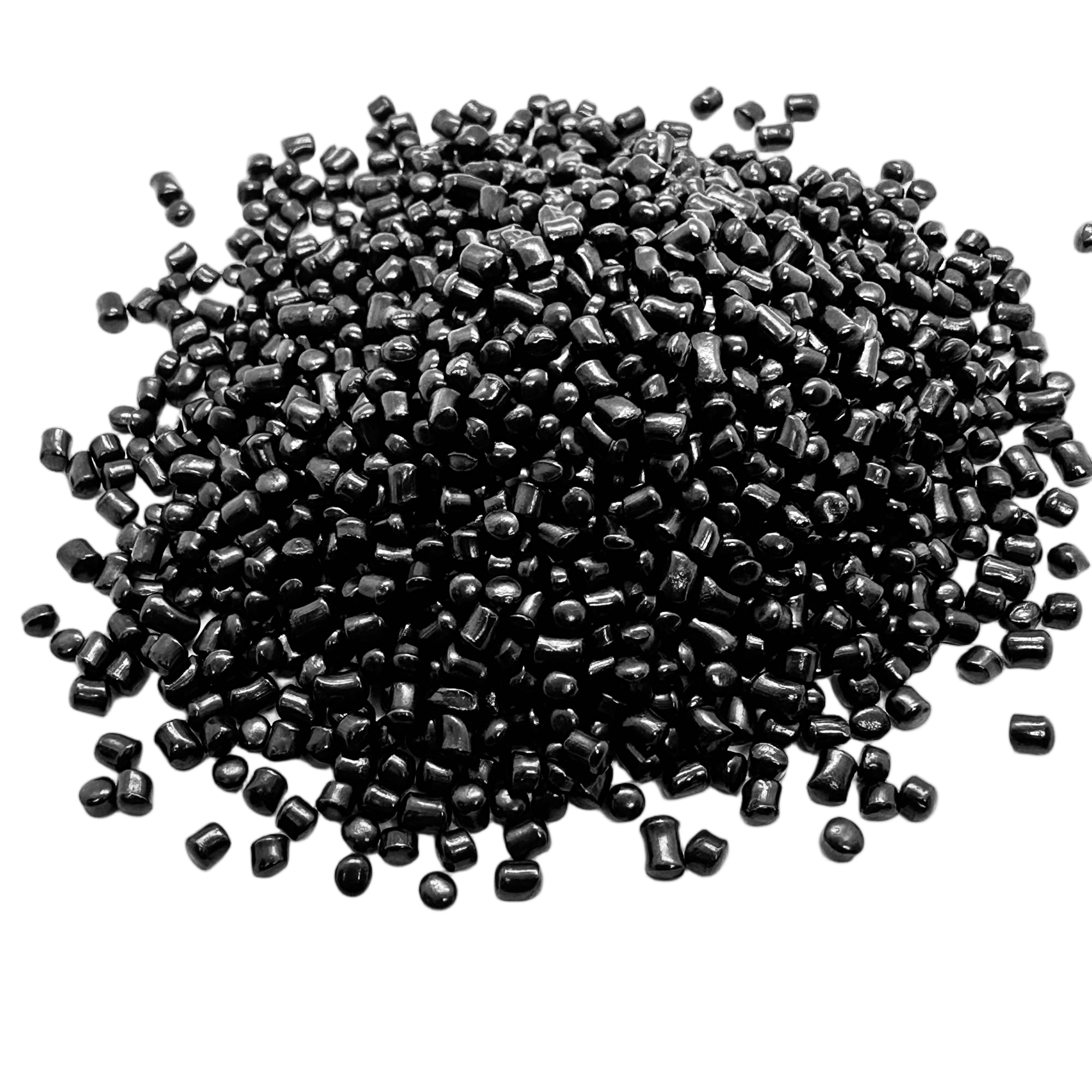
Environmentally Resistant Black Masterbatch WM3F-WM3F
Environmentally Resistant Black Masterbatch WM3F
Introduction WM3F is produced by unique process in which carbon black is pre-dispersed, then compounded with the basic resin through plastication. It is widely used in water supply pipe,drip irrigation pipe,corrugated pipe and film blowing applicati...
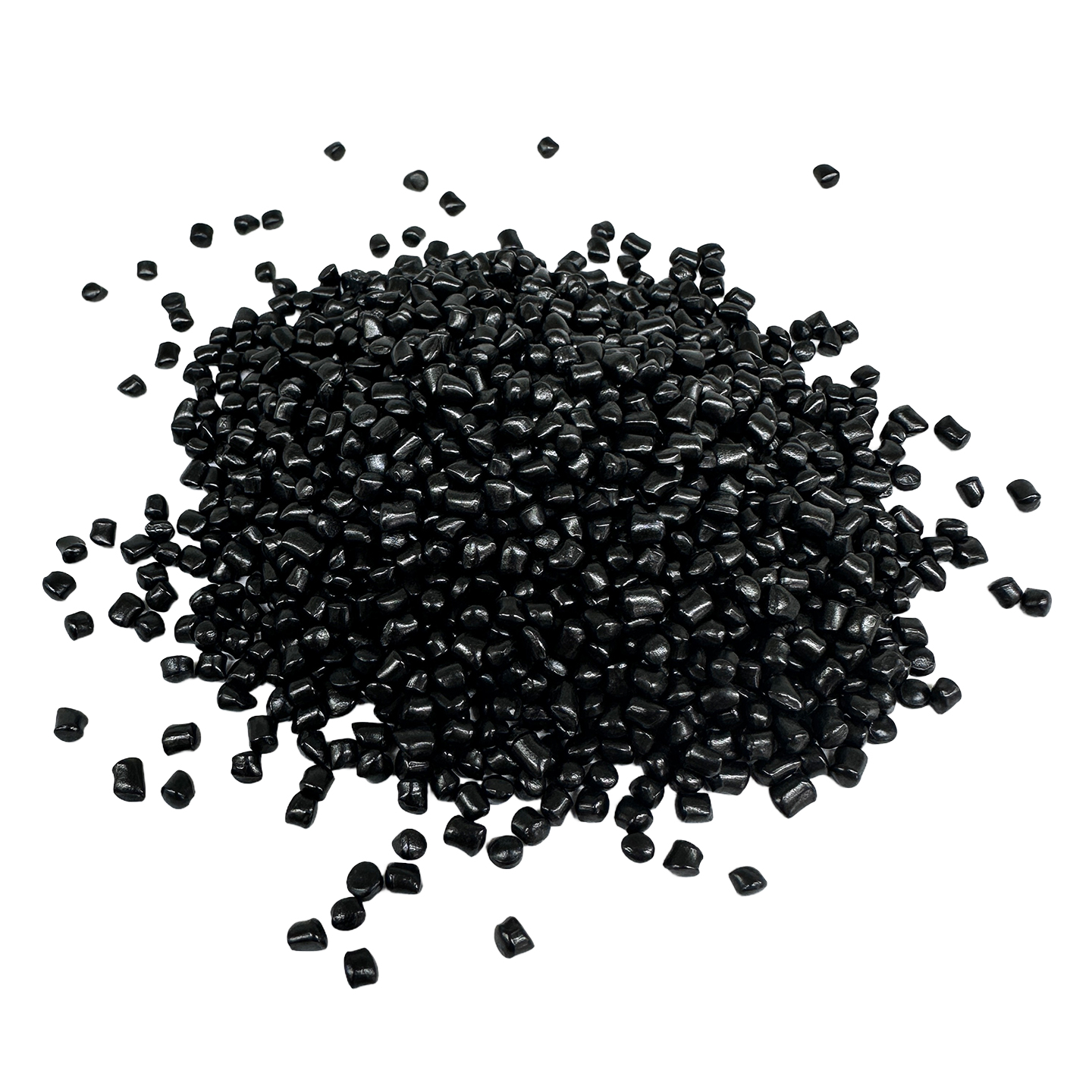
General Low Carbon Black Masterbatch WME1-WME1
General Low Carbon Black Masterbatch WME1
Introduction WME1 is produced by unique process in which carbon black is pre-dispersed, then compounded with the polymer additive through plastication. It is widely used in injection, extrusion pipe and blow film applications. It features low dosage...
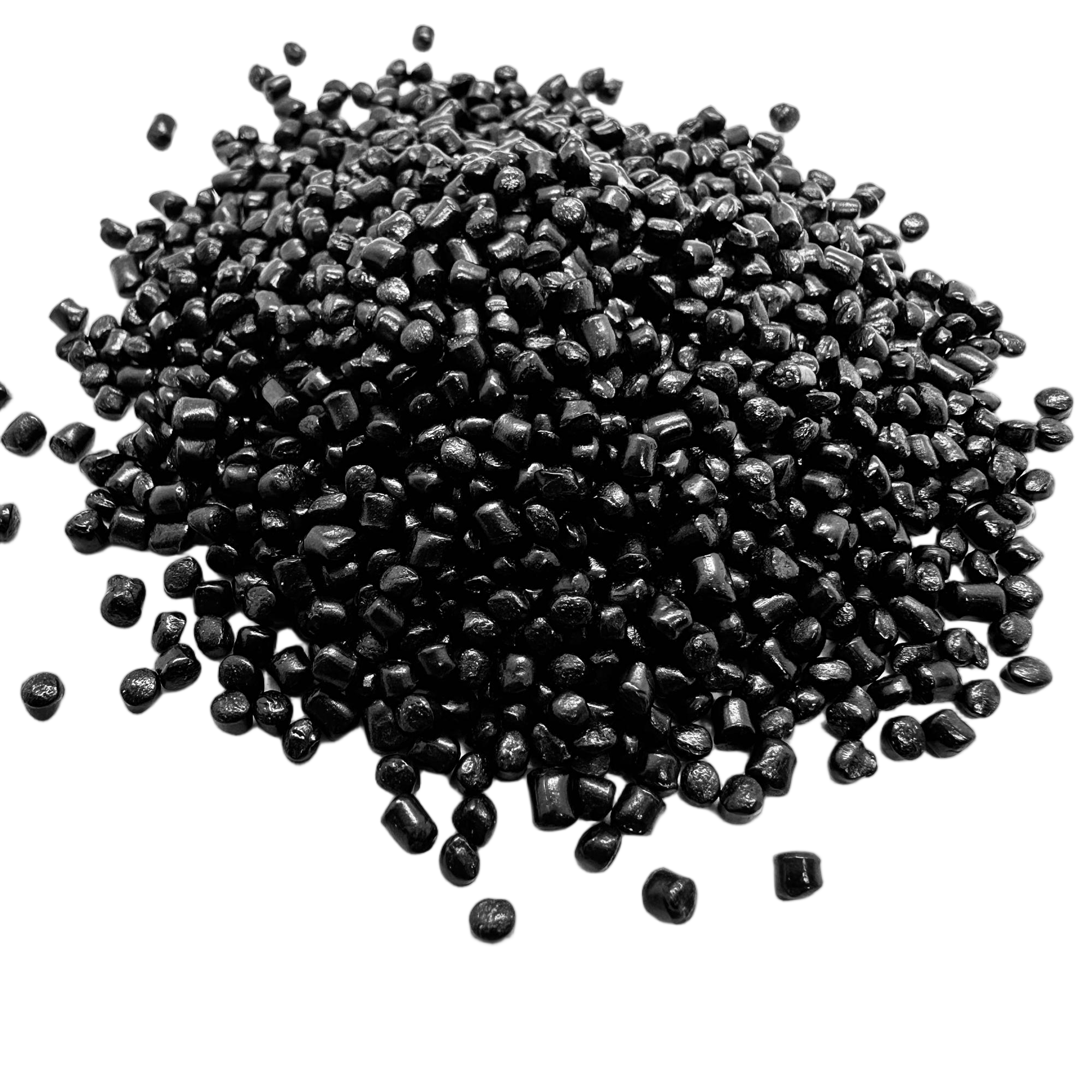
Weather-Resistant Black Filler Masterbatch WM307-WM307
Weather-Resistant Black Filler Masterbatch WM307
Introduction WM307 is produced by unique process in which carbon black is pre-dispersed, then compounded with the basic resin through plastication. It is widely used in injection, blow film and compounding applications. Suitable for PP, PE material...
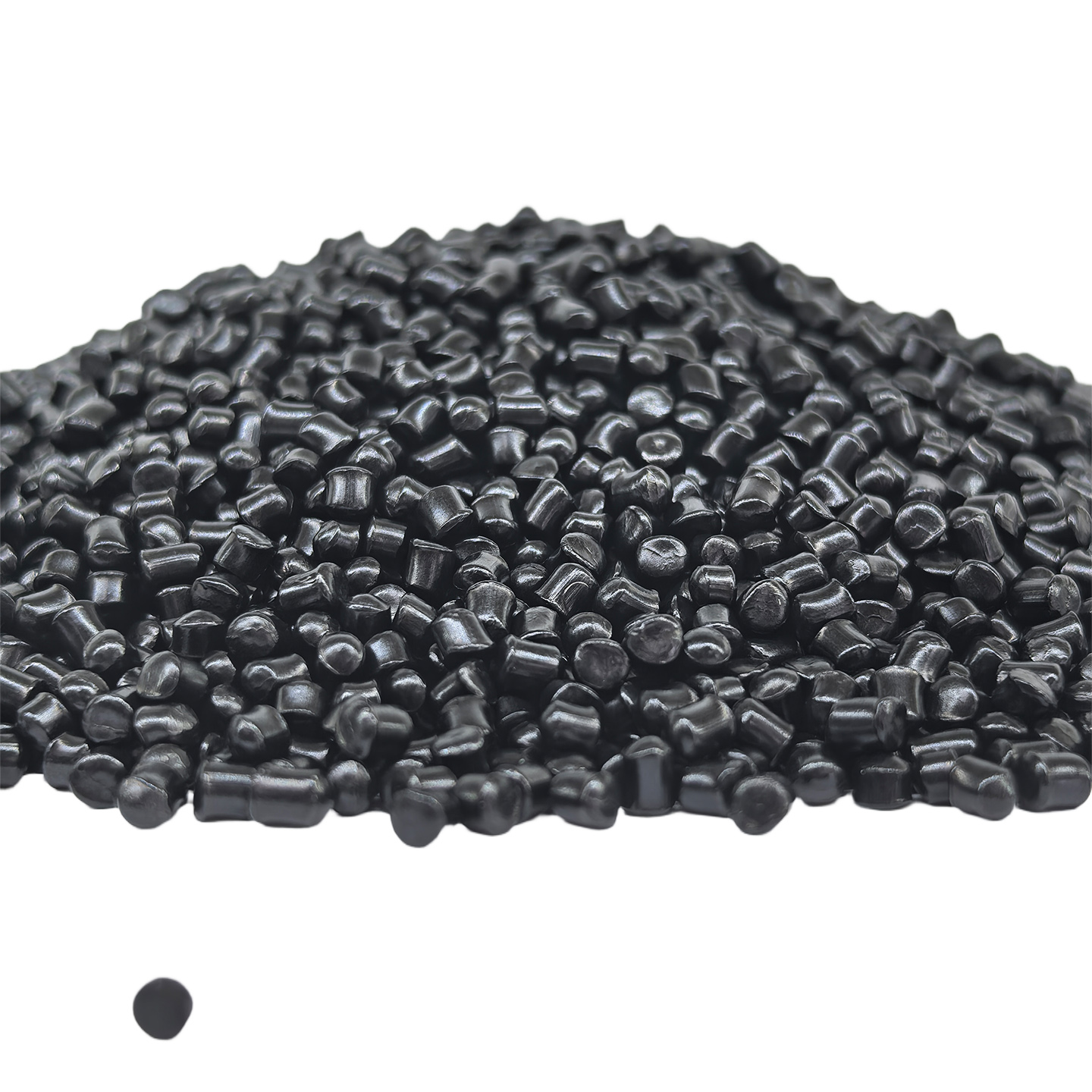
Durable Black Environmentally Friendly Functional Masterbatch WM30-WM30
Durable Black Environmentally Friendly Functional Masterbatch WM30
Introduction WM30 is produced by unique process in which carbon black is pre-dispersed, then compounded with the basic resin through plastication. It is widely used in injection, modified compounding, pipe & sheet applications. Suitable for PP ,PE a...
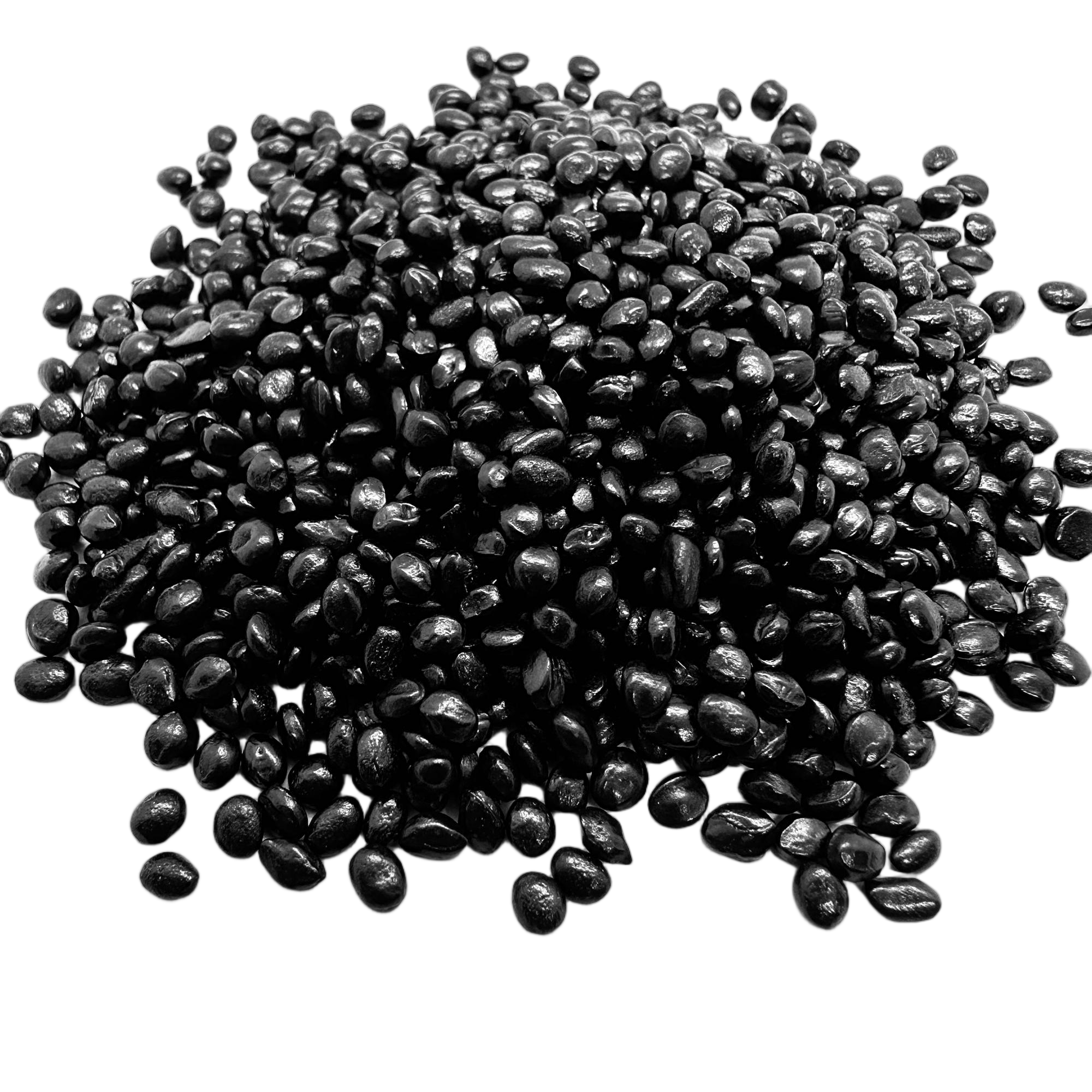
Environmentally Friendly Black Masterbatch WM101-WM101
Environmentally Friendly Black Masterbatch WM101
Introduction WM101 is produced by polymer additive with pre-dispersed carbon black , then compounded with the basic resin through plastication. It is widely used in injection, pipe, blow film applications. It features low dosage, high blackness, goo...
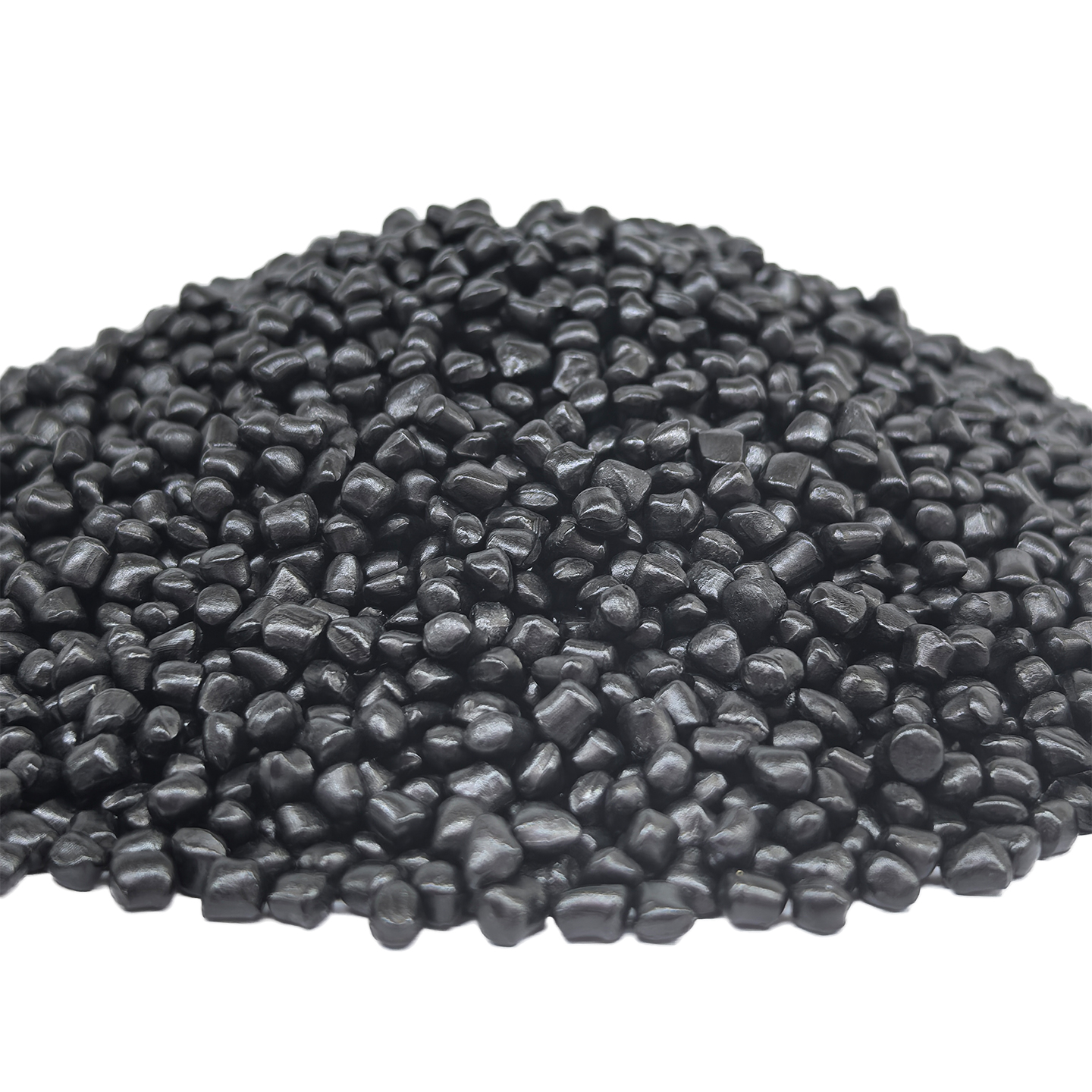
High Concentration Environmentally Friendly Filled Black Masterbatch WM8E-WM8E
High Concentration Environmentally Friendly Filled Black Masterbatch WM8E
Introduction WM8E is produced by unique process in which carbon black is pre-dispersed, then compounded with the basic resin through plastication. It is widely used in film blowing , blowing plastic and injection applications. Suitable for PP and PE...
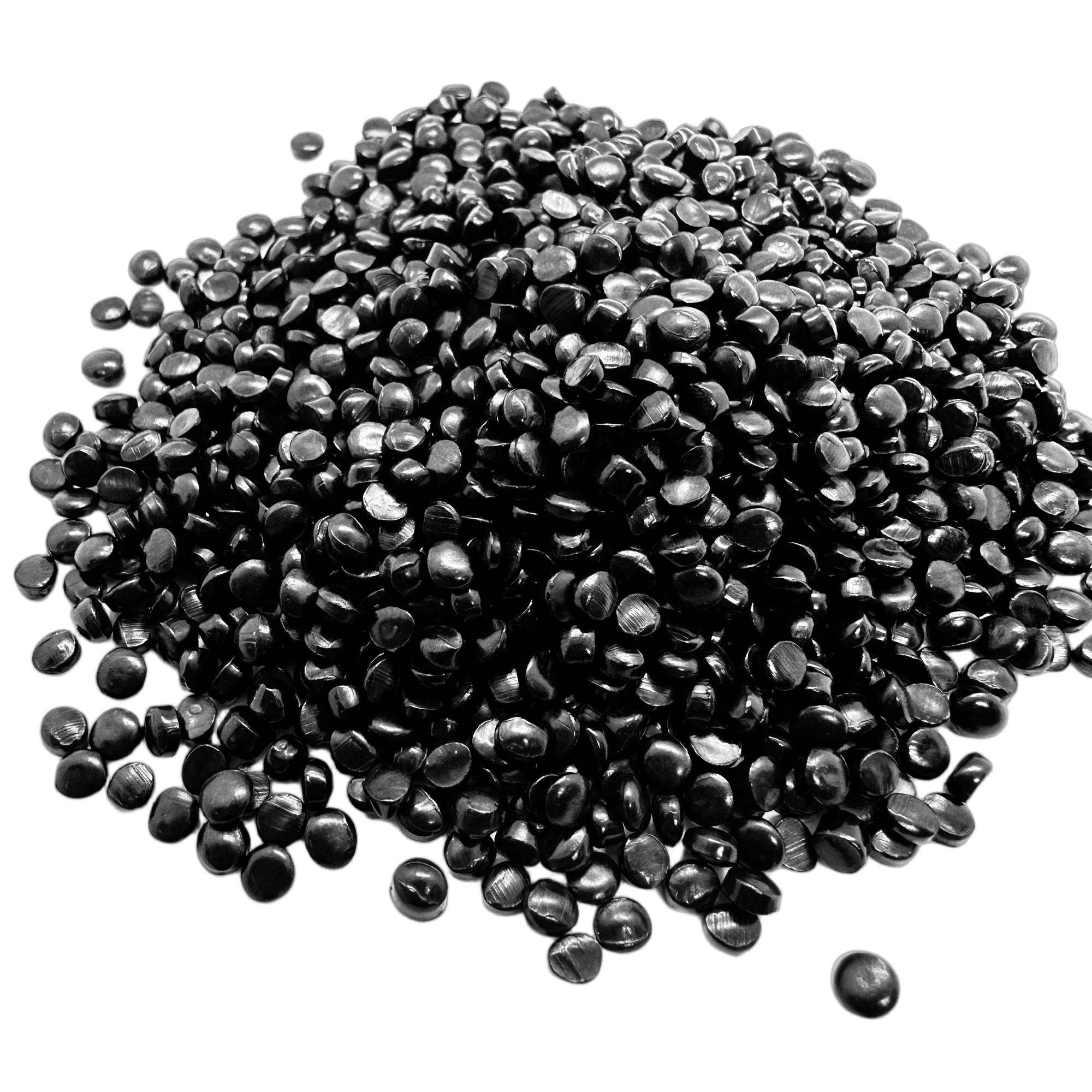
Universal Courier bag Extrusion Black Masterbatch WM2ADM-WM2ADM
Universal Courier bag Extrusion Black Masterbatch WM2ADM
Introduction WM2ADM is produced by unique process in which carbon black is pre-dispersed, then compounded with the basic resin through plastication. It is widely used in film blowing , blowing plastic and fiber applications. Suitable for PP and PE m...
Stable Dispersion & Excellent Hiding Concentrated Mulch Black Masterbatch WMULCH-1-WMULCH-1
Stable Dispersion & Excellent Hiding Concentrated Mulch Black Masterbatch WMULCH-1
Introduction Mulch film is judged in the field, not in the warehouse. By the time a roll reaches the bed former, three things have already decided how the film will behave for the rest of the season: how much carbon black is genuinely in the film, ...
High Concentration Carrier-Free Black Masterbatch WMB34-WMB34
High Concentration Carrier-Free Black Masterbatch WMB34
Introduction WMB34 is produced by unique process in which carbon black is pre-dispersed, then compounded with the basic resin through plastication. It is widely used in injection and modified compounding applications. Suitable for PP PE ABS PA+GF...
Strong And High Pigment Black Masterbatch WM913-WM913
Strong And High Pigment Black Masterbatch WM913
Introduction WM913 is produced by pre-dispersed carbon black with polymer additive, then compounded through plastication. It is widely used in modified compounding applications. Suitable for PP PE ABS PPR ABS HIPS materials. It features low dosage...
BPA Free & Low Volatile Environmentally Friendly Interior Black Masterbatch WMEG11-WMEG11
BPA Free & Low Volatile Environmentally Friendly Interior Black Masterbatch WMEG11
Introduction WMEG11 is produced by unique process in which carbon black is pre-dispersed, then compounded with the basic resin through plastication. It is widely used in modified compounding and injection applications. Suitable for PP and PE materi...
BPA Free & LFGB Approved food grade Black Masterbatch WMB56-WMB56
BPA Free & LFGB Approved food grade Black Masterbatch WMB56
Introduction WMB56, a low-odour black masterbatch for ABS, AS and PC appliance housings WMB56 is produced by unique process in which carbon black is pre-dispersed, then compounded with the basic resin through plastication. It is widely used in inje...
Strong And High Pigment PP Black Masterbatch WM785D-WM785D
Strong And High Pigment PP Black Masterbatch WM785D
Introduction WM785D is produced by unique process in which carbon black is pre-dispersed, then compounded with the basic resin through plastication. It is widely used in modified compounding and injection applications. Suitable for PP and PE materia...
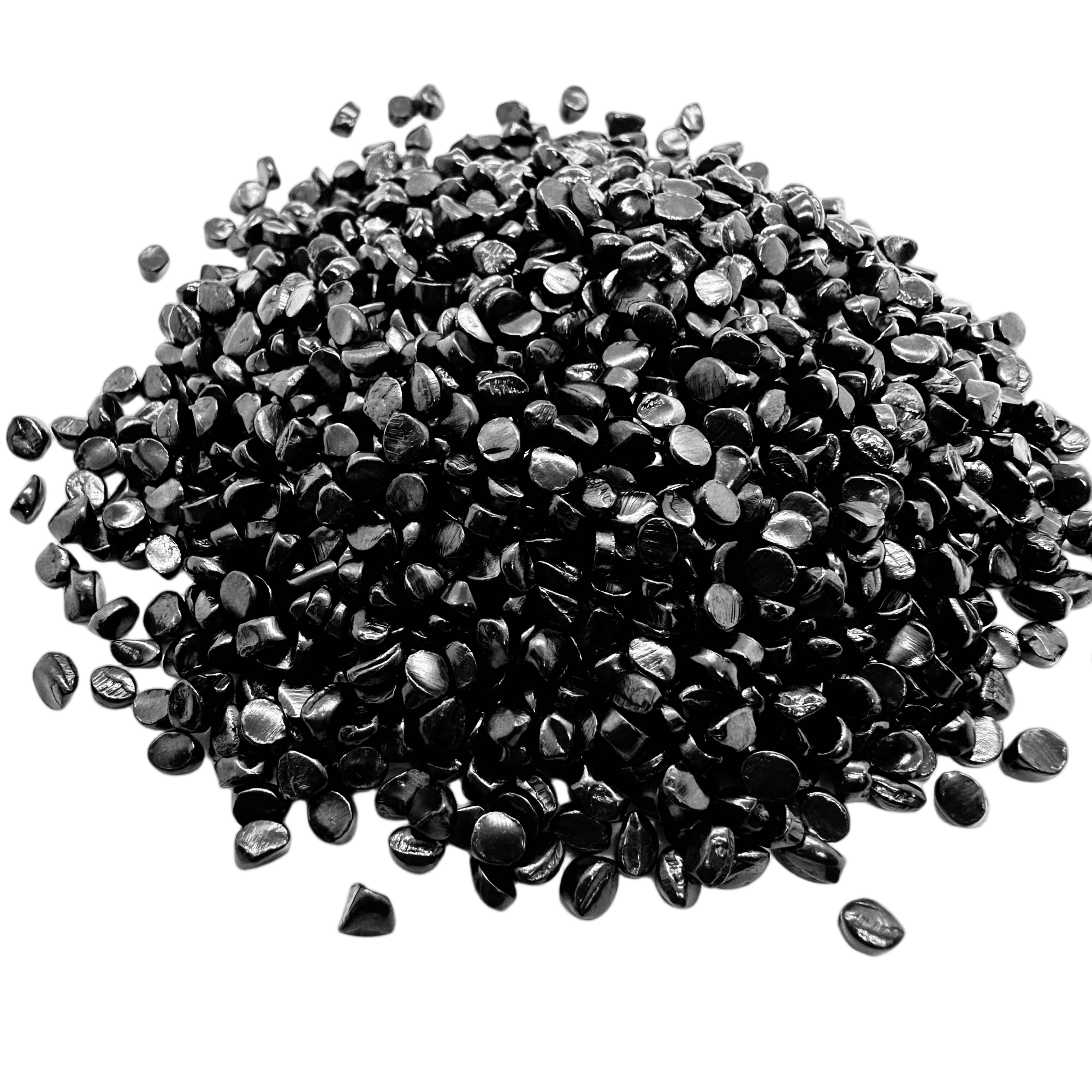
Injection Molding Reinforced Black Masterbatch WM16H (UN2014) -WM16H
Injection Molding Reinforced Black Masterbatch WM16H (UN2014)
Introduction WM16H is produced by pre-dispered carbon black, and then compounded with basic resin. It is widely used in ABS, PC/AS high glossy injection and modifiled compounding applications. Suitable for PP PE PC/ABS GPPS POM GPPS PA+GF materials....
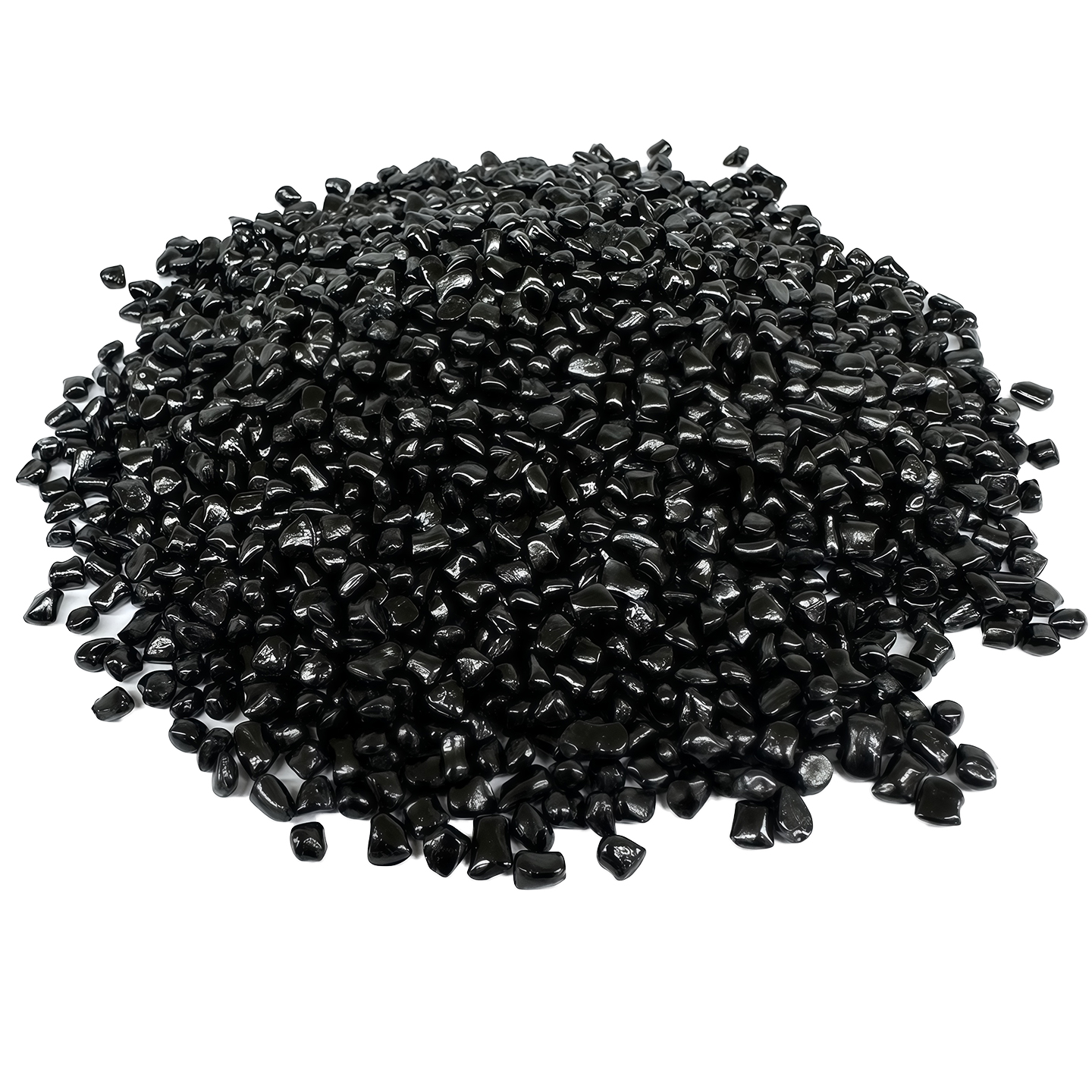
Structure-Enhanced SAN Black Masterbatch WM2A-WM2A
Structure-Enhanced SAN Black Masterbatch WM2A
Introduction WM2A is produced by high-pigment carbon black with AS as carrier and special dispersion agent. Its carbon black is stable and blue-shape grade. Suitable for ABS PC high glossy injection materials, also PPO PPS PA PET etc. thermoplasti...
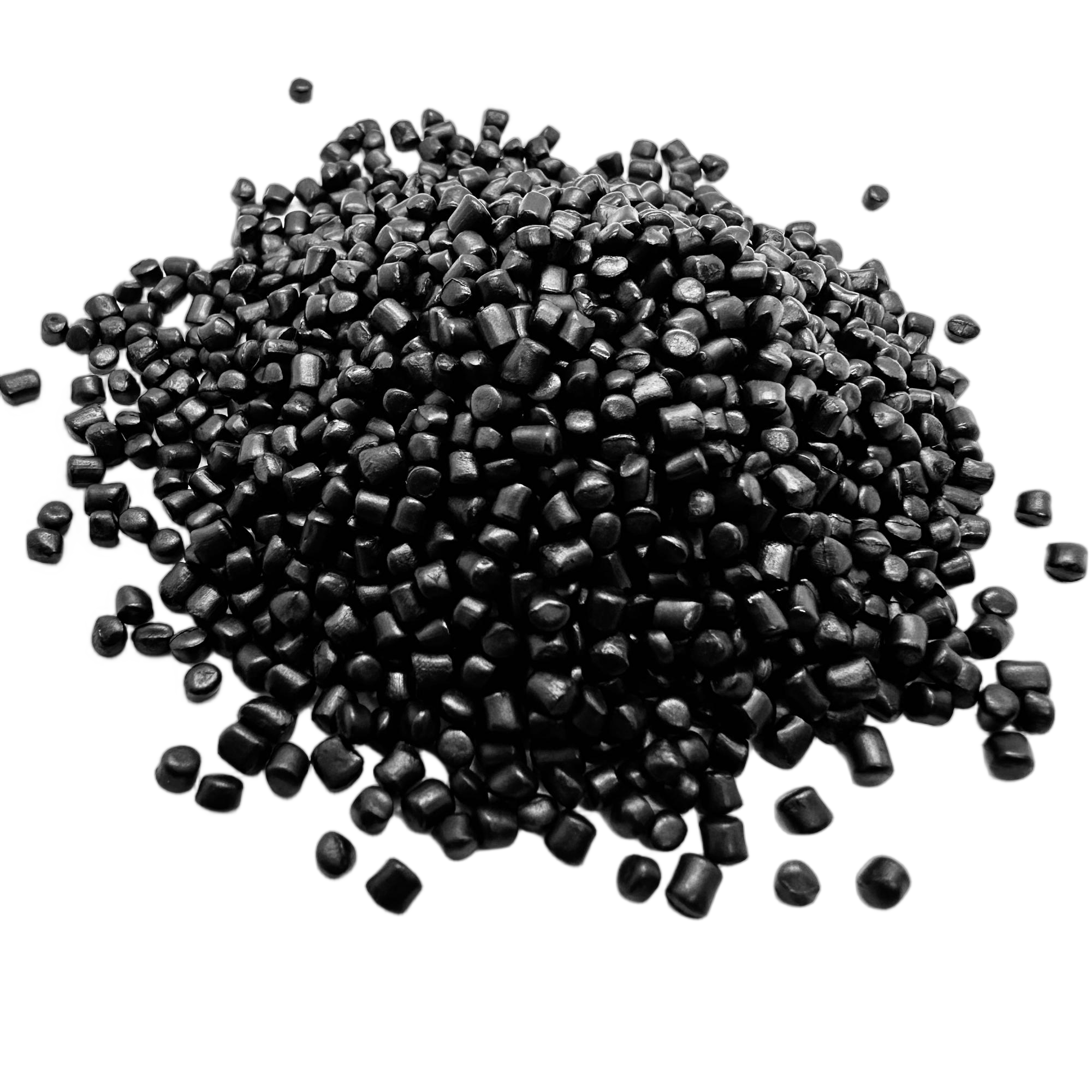
Structure-Enhanced PS Black Masterbatch WM626-WM626
Structure-Enhanced PS Black Masterbatch WM626
Introduction WM626 is produced by unique process in which carbon black is pre-dispersed, then compounded with the basic resin through plastication. It is widely used in extrusion and injection applications. Suitable for HIPS materials. It features lo...
Structure-Enhanced PC Black Masterbatch WM6245-WM6245
Structure-Enhanced PC Black Masterbatch WM6245
Introduction WM6245 is produced by unique process in which carbon black is pre-dispersed, then compounded with the basic resin through plastication. It is widely used in extrusion and high glossy injection applications. Suitable for PC ABS/PC materia...
Universal Environmentally Resistant Black Masterbatch WM72-WM72
Universal Environmentally Resistant Black Masterbatch WM72
Introduction WM72 is produced by unique process in which carbon black is pre-dispersed, then compounded with the basic resin through plastication. It is widely used in film blowing and injection applications. Suitable for PP and PE materials. It fea...
Environmentally Friendly FDA approved & food grade Black Masterbatch WM70E2-WM70E2
Environmentally Friendly FDA approved & food grade Black Masterbatch WM70E2
Introduction WM70E2 is produced by unique process in which carbon black is pre-dispersed, then compounded with the basic resin through plastication. It is widely used in injection (both general and thin wall injection), blow molding and extrusion sh...
Low Volatile & High Concentration Environmentally Friendly Filled Black Masterbatch WM261YF-WM261YF
Low Volatile & High Concentration Environmentally Friendly Filled Black Masterbatch WM261YF
Introduction WM261YF is produced by unique process in which carbon black is pre-dispersed, then compounded with the basic resin through plastication. It is widely used in injection and modified compounding applications. Suitable for PP PE materials....
Environmentally Resistant Black Masterbatch WM3F-WM3F
Environmentally Resistant Black Masterbatch WM3F
Introduction WM3F is produced by unique process in which carbon black is pre-dispersed, then compounded with the basic resin through plastication. It is widely used in water supply pipe,drip irrigation pipe,corrugated pipe and film blowing applicati...
General Low Carbon Black Masterbatch WME1-WME1
General Low Carbon Black Masterbatch WME1
Introduction WME1 is produced by unique process in which carbon black is pre-dispersed, then compounded with the polymer additive through plastication. It is widely used in injection, extrusion pipe and blow film applications. It features low dosage...
Weather-Resistant Black Filler Masterbatch WM307-WM307
Weather-Resistant Black Filler Masterbatch WM307
Introduction WM307 is produced by unique process in which carbon black is pre-dispersed, then compounded with the basic resin through plastication. It is widely used in injection, blow film and compounding applications. Suitable for PP, PE material...
Durable Black Environmentally Friendly Functional Masterbatch WM30-WM30
Durable Black Environmentally Friendly Functional Masterbatch WM30
Introduction WM30 is produced by unique process in which carbon black is pre-dispersed, then compounded with the basic resin through plastication. It is widely used in injection, modified compounding, pipe & sheet applications. Suitable for PP ,PE a...
Get Your Free Sample Now
Submit this form and our sales representative will contact you soon.

Contact Us
Tel: +86 757 8118 6668/+86 139 2320 6383
Sales Hotline: +86 139 2320 6383
Address: No. 55, Yong'an Avenue, Guanyao, Shishan Town, Nanhai District, Foshan City, Guangdong Province, China.
Inquire
Copyright © 2026 Guangdong Jolink Technology Co., Ltd.