
SEARCH WHAT YOU WANT
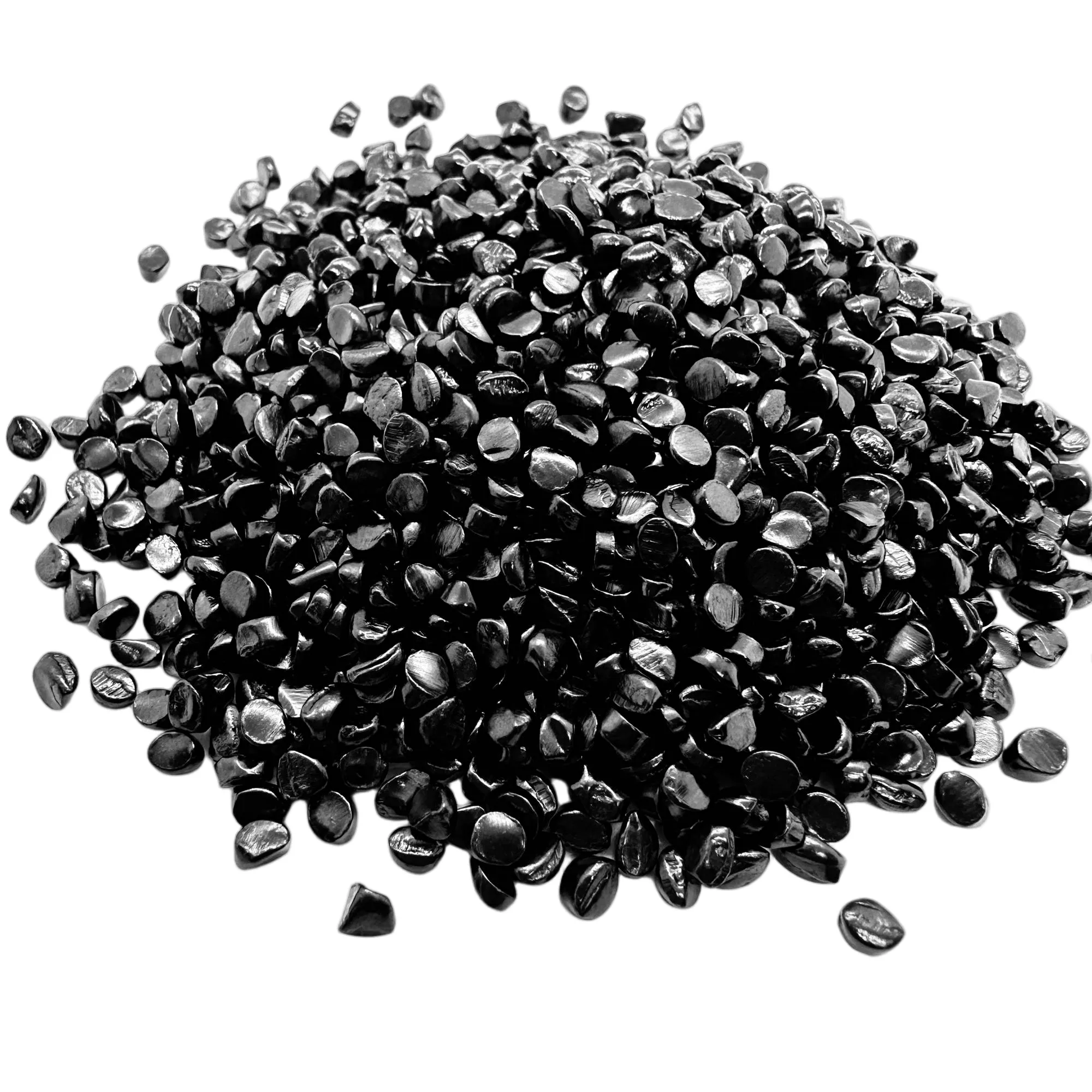
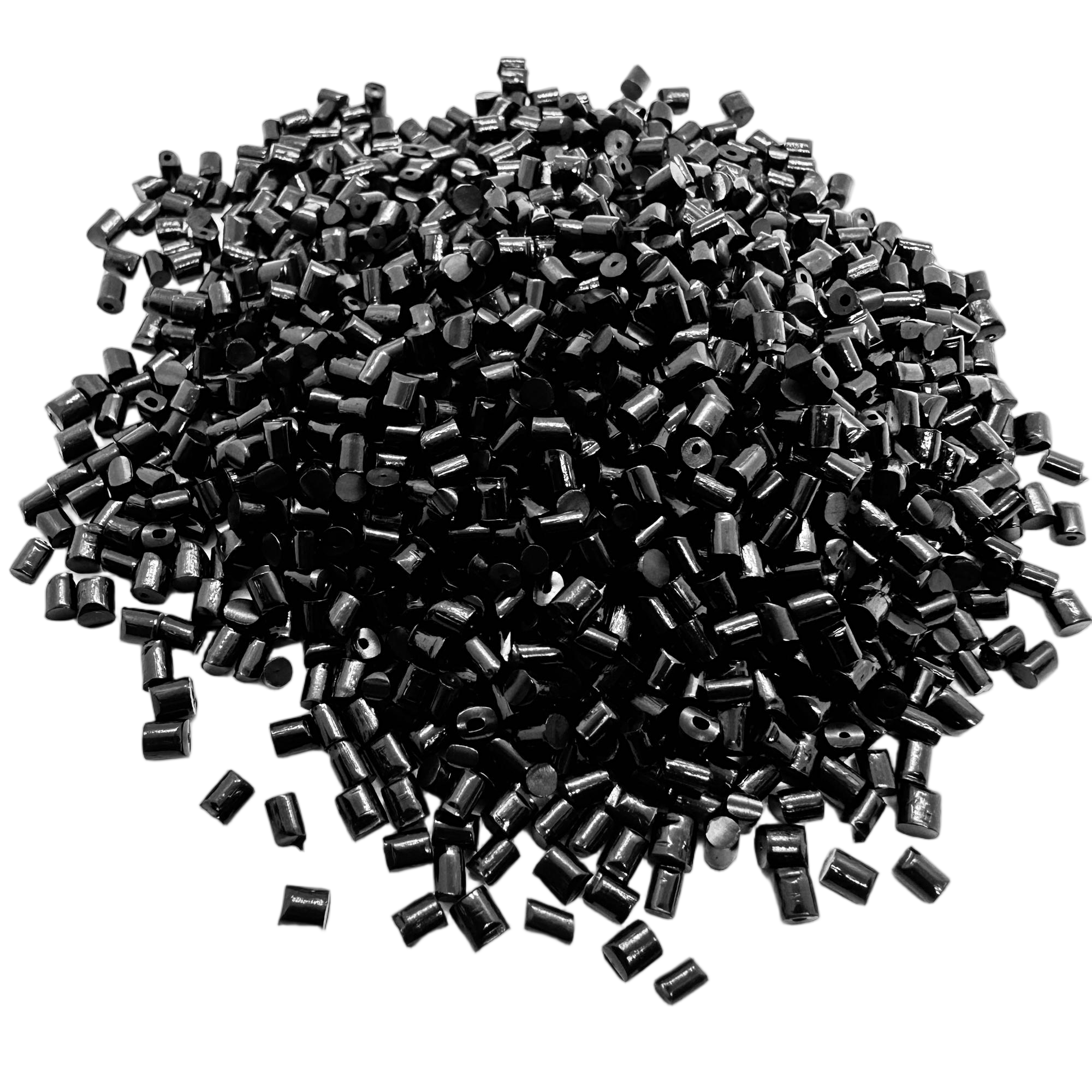
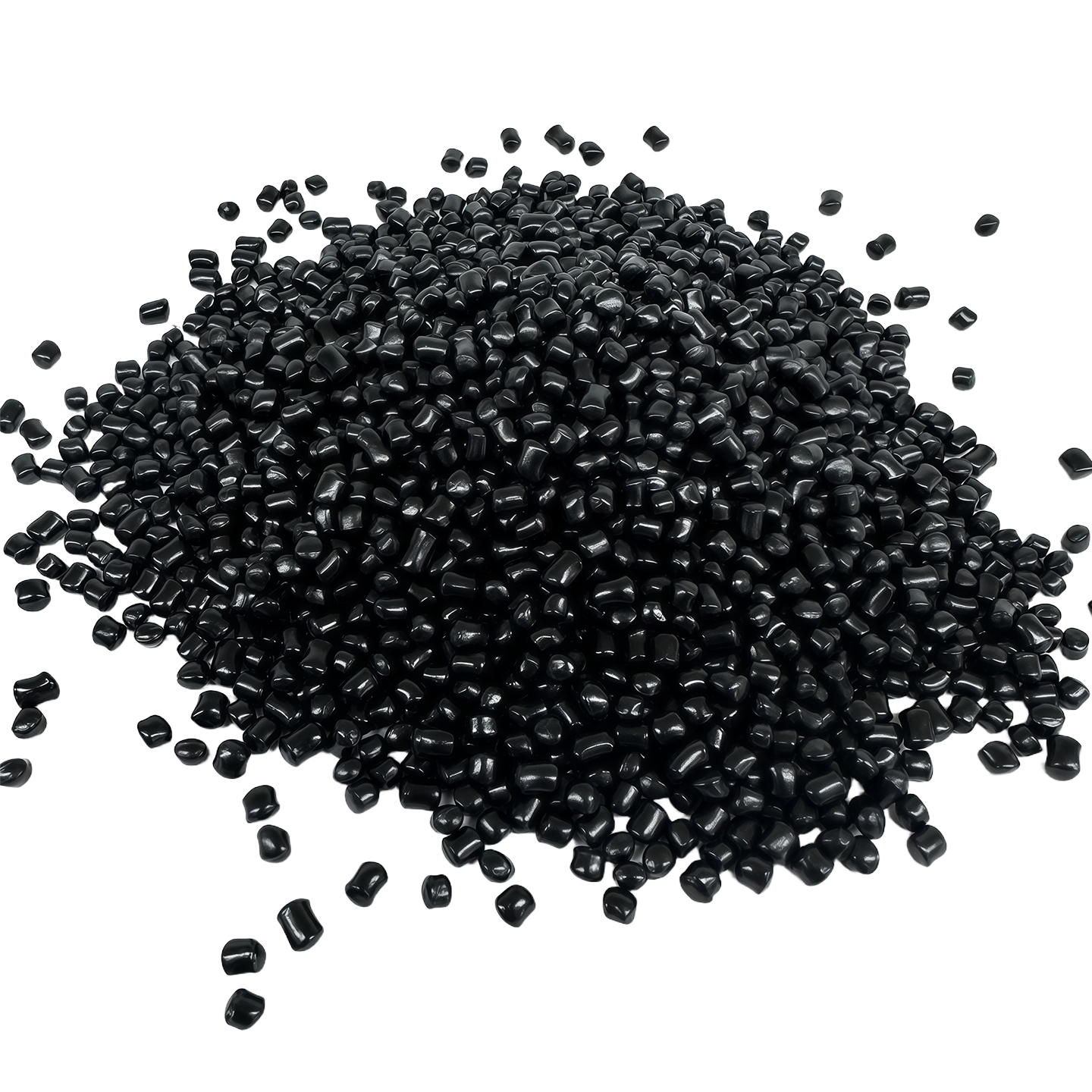
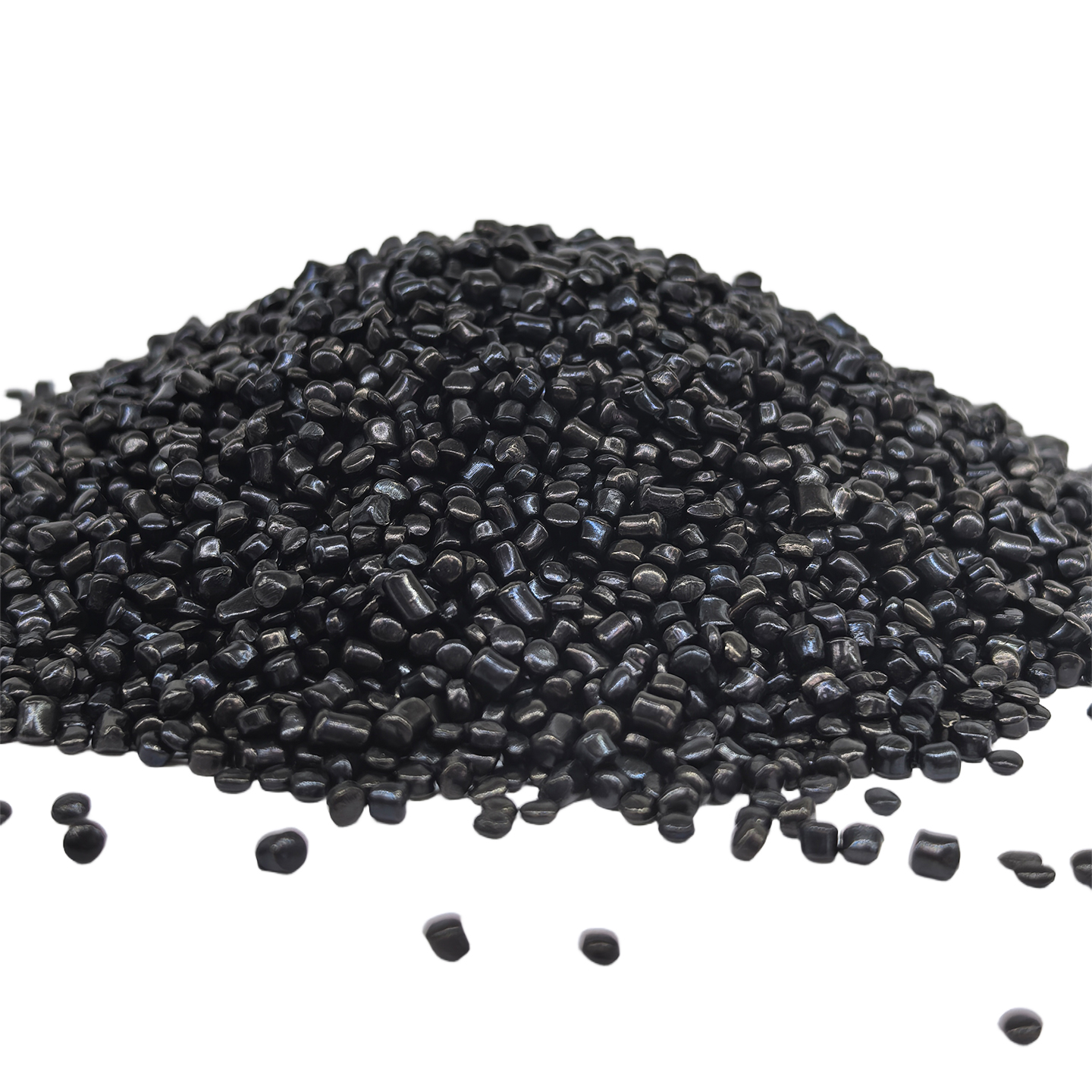
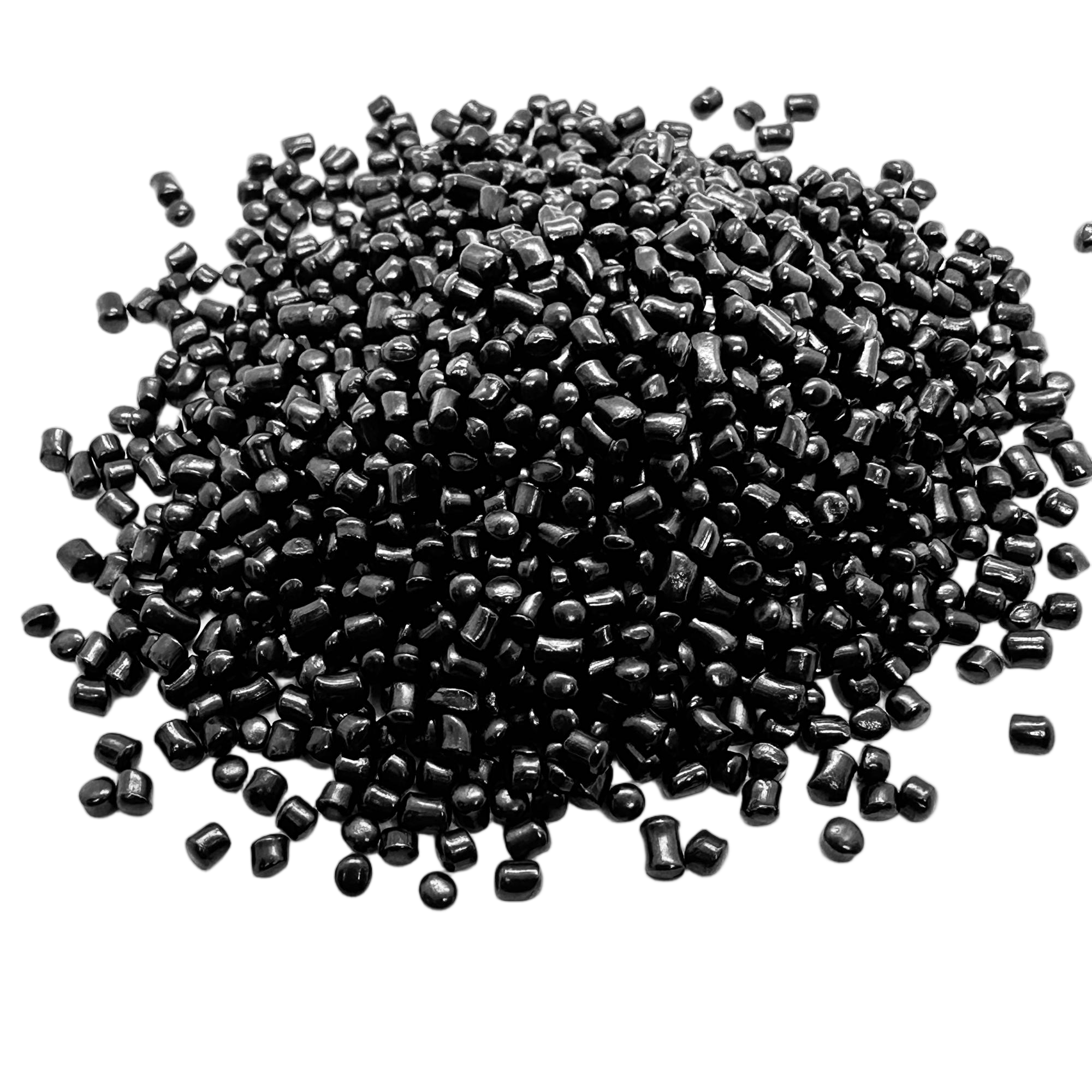
Injection Molding Reinforced Black Masterbatch WM16H (UN2014)
 |
 |
Introduction
WM16H is produced by pre-dispered carbon black, and then compounded with basic resin. It is widely used in ABS, PC/AS high glossy injection and modifiled compounding applications. Suitable for PP PE PC/ABS GPPS POM GPPS PA+GF materials. It features low dosage, high blackness and high glossy , good brightness, excellent heat resistance, outstanding dispersibility and tinting power, and minimal impact on the physical properties of the final product.
Technical Parameter
| Carbon Content | 45%±1 |
| Carrier | PE |
| MFI | 1-10(g/ 10min(190℃ 10kg) |
| Moisture | ≤0.3% |
| Dispersion | Excellent (≤ Level 2.5) |
| Compliance | RoHS,REACH, FDA, PAHs |
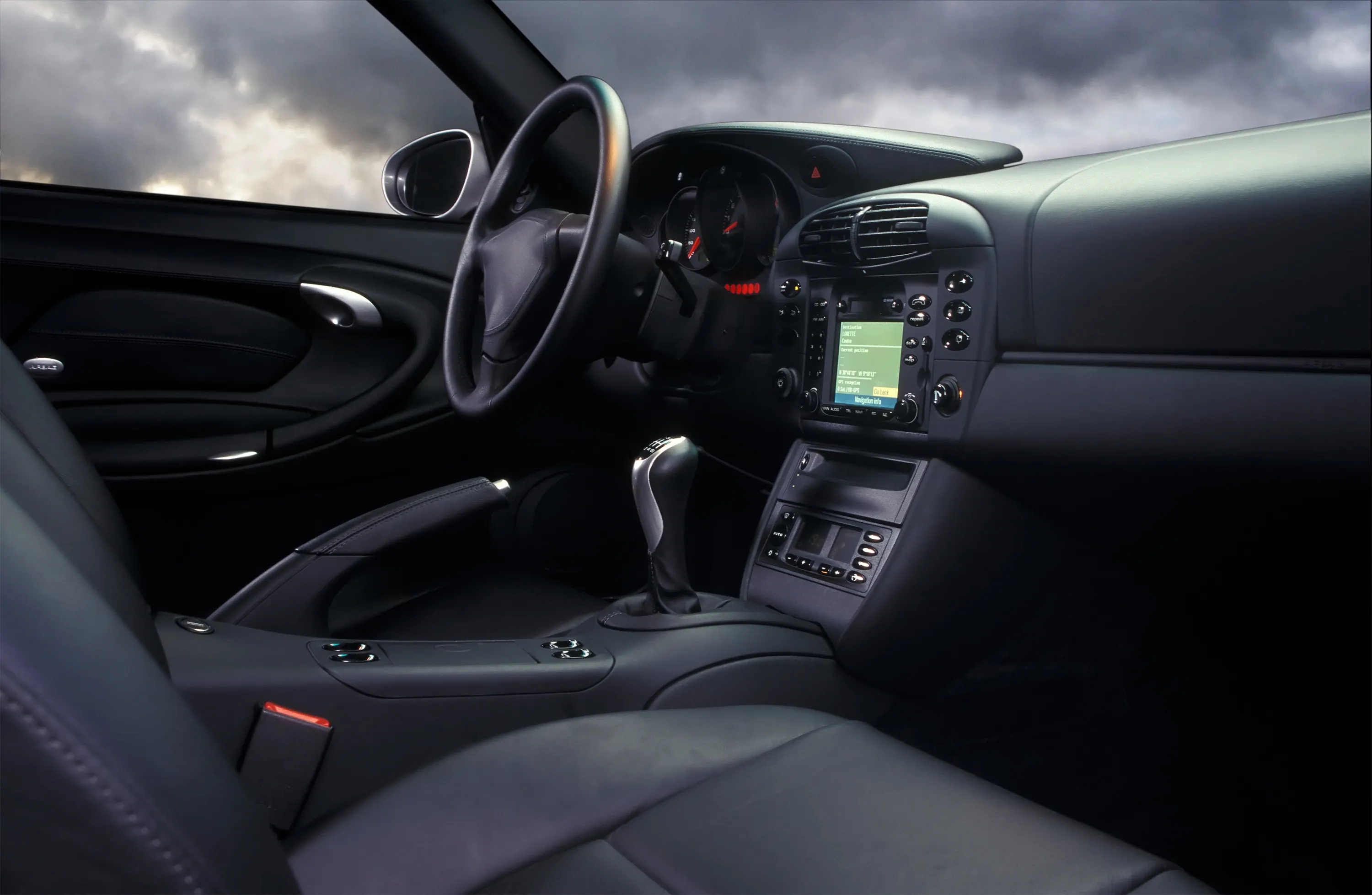
| Application | Injection (ABS PC AS PC/ABS) , Modified compounding (Flame retardant) , Sheet |
| Dosage Advice | Injection: 0.8–2.0% Compounding : 1.0–4.0% |
| OEM | Accpeted |
Why : Dispersion Is the Number That Decides Your Industrial Field
Most buyers compare black masterbatch on carbon black content only. In practice, the property that decides whether your line runs smoothly is dispersion — how completely the pigment has been broken down from agglomerates into individually wetted particles.
WM16H is rated Excellent ≤ Level 2.5 on the microscopic dispersion scale, where a lower grade means fewer and smaller residual agglomerates. That is a measured number, published in the technical data sheet, not a marketing adjective. Two points make it possible:
- Pre-dispersed carbon black, the pigment is wetted and de-agglomerated in a dedicated dispersion step before it is compounded with the resin (carrier). The heavy de-agglomeration work happens under controlled conditions, not inside your molding machine.
- A low viscosity PE carrier, the carrier has to wet out the pigment faster than the base resin can wet out the masterbatch. A matched, low-viscosity carrier keeps local shear stress down and lets the concentrate dissolve cleanly into ABS, PC, AS etc..
Undispersed carbon black agglomerates do not stay inside the part quietly. They show up as black specks and streaks on visible surfaces, as surface roughness that kills gloss readings, as pressure rise and eventual screen-pack blockage in the extruder, and as weak points that initiate cracking under impact.
If you are troubleshooting specks, streaks or weld-line darkening now, the practical question to ask supplier is not "how much carbon black content" but "what dispersion grade will you put in the data sheet".
Compliance and Regulations
For more and more buyers, regulatory compliance becoming the first question asked and the last thing a supplier can prove. WM16H is supplied with declarations issued against the specific grade
| Regulartion | What it covers | Why it matters to you |
| FDA | USA food-contact material requirements | Enables food contact applications such as closures, containers and appliance parts; final suitability depends on the complete formulation and must be confirmed in writing for each application |
| RoHS | Restriction of hazardous substances in electrical and electronic equipment | Required for any part sold into EU electrical and electronic products |
| PAHs | Polycyclic aromatic hydrocarbons limits | Critical for toys, grips, handles and any consumer article placed in prolonged skin contact |
| REACH | EU chemical regulation, including SVHC screening | Required for EU market access; supports your own REACH obligations as an importer |
Technical Data Sheet(TDS), Safety Data Sheet(SDS), Certificate of Analysis (COA) and regulatory declarations are available.
If your market requires the additional standard , tell us the regulations and the target market and we will confirm the feasibility before you commit to buy.
Four Properties That Define WM16H's Performance
1. Dispersion ≤ 2.5 : Less Specks, Higher First-Pass Chance
The commercial point is worth restating: at an ≤ 2.5 rating, WM16H sits in the band that the industry treats as suitable for demanding injection and extrusion.
Grades that drift above 3.0 are the ones that generate visible clusters, high filter pressure value and the speck complaints that force a molder to slow the line down or increase letdown to compensate.
Buying a tighter dispersion grade is usually cheaper than paying for the scrap it prevents.
2. Carbon Black content 45% ± 1% : Strict Tolerance, Satisfied Blackness
45% CB is high enough to give jet black at low letdown ratio, and the ± 1% tolerance is the real value sits.
Too less or too more of the pigment between production batches is the main cause of shade drift that shows up in different lots of the same molded part.
A one-point tolerance keeps the delivered carbon black fraction in your finished part effectively constant, so a shade approved on the first run stays approved on the tenth.
With 1% letdown, the finished part contains 0.45% carbon black; at the minimum 0.8% dosage it still carries 0.36% , above the level required for deep, saturated black in styrenic and polyolefin systems.
3. Moisture ≤ 0.3% : No Splay, No Streaks
Moisture is the most under-specified property in black masterbatch , also one of the most common causes of visible defects.
Water carried into the barrel flashes to steam, and the resulting gas leaves splay marks, silver streaking and micro-blistering on the part surface.
It defects that are impossible to polish out and are frequently misdiagnosed as dispersion issues.
Below 0.3% ceiling is a tighter moisture window than the 0.5% commonly quoted for general-purpose grades, and it means sealed bags can go straight into the hopper with no pre-drying step.
It also matters in compounding, where residual moisture disrupts melt flow and drives filter pressure up.
4. Melt Flow between 1 to 10 g/10 min : Tuned for Excellent Gloss
Gloss is a surface phenomenon, and what happens at the flow front determines it.
A masterbatch whose melt viscosity is far lower than the base resin migrates preferentially toward the mold wall and the flow front, leaving a carbon black gradient between the skin and the core.
The visible result is tiger striping, weld-line darkening and gloss variation across a part that should be uniform.
WM16H sits within a controlled 1 – 10 g/10 min window at 190 °C / 10 kg. That range keeps the concentrate distributed with the melt rather than racing ahead of it.
So the pigment concentration at the surface layer stays even.
The outcome is the smooth, light-reflective skin that reads as genuinely high gloss under retail or inspection lighting — consistent across the whole part, not only in low-shear zones.
Comparing melt flow data across suppliers requires care: MFI rate is meaningless without its temperature and load. Ask us for WM16H data at your own test conditions before drawing a comparison.https://www.jolink-masterbatches.com/contact-us
Resin Compatibility Reference
| Base resin Carrier | Applicability | Typical parts | Notes |
| PC/ABS | Excellent | Automotive interior trim, laptop and monitor housings, EV charging enclosures | High gloss, low-flow profile suits top quality surface requirements |
| ABS | Excellent | Home appliance housings, power tool bodies, electronics enclosures | PE carrier is compatible at 0.8 – 2.0% letdown |
| AS / SAN | Excellent | Transparent-to-opaque cosmetic housings, packaging for cosmetic | Cleaning dispersion, no surface mist |
| PC | Very good | Industrial housing, lighting components | PC runs hotter than styrenics and needs a wider processing window |
| GPPS / HIPS | Excellent | Display fixtures, retail packaging, appliance internals | low dosage reaches full jetness |
| PE (LDPE / LLDPE / HDPE) |
Excellent |
Molded containers, closures, industrial parts |
perfect carrier match; fast wetting |
| POM |
Good |
Mechanical parts, gears, precision components |
Run a short trial first |
| PP | Excellent | Automotive trim, appliance parts, outdoor hardware | Carbon black provides UV protection in outdoor PP |
| PVC / PET | Processing temperature and carrier compatibility fall outside the design window of this grade | ||
| PA / PA6 / PA66 (+GF) |
Good | Glass-fiber reinforced structural brackets, power tool housings, automotive under-hood parts | PE carrier forms a minor dispersed phase typical of PE-carrier grades in PA. At 1 – 2% letdown this is normally tolerable, but GF-reinforced and flame-retardant PA should always be validated by trial. We also supply dedicated PA-carrier and organic black grades for Class-A glass-fiber nylon |
Request a Sample of WM16H
The best way to evaluate WM16H is to compare it against the grade you use now, with your own equipments, at the same letdown ratio.
We can send free sample for you to do that comparison. To get an accurate recommendation and quotation, send us the following:
*Base resin
*Delivery port
*Current grade you are using (if any)
*Process methods : injection molding, compounding , sheet extrusion
*Dosage and the visible-surface requirement
*Compliance regulations your market requires
*Estimated monthly volume
Contact us at jielian-wm@fsjolink.com / info@jolink-masterbatches.com or use the inquiry form on this page,
We will respond with grade recomments, technical data sheet and price. https://www.jolink-masterbatches.com/contact-us Samples are dispatched within [3] working days.
Technical FAQ
1) How much WM16H should I add into ABS or PC/ABS?
Start at 1.0% for standard parts and 1.5 – 2.0% where you need deep black, thin walls or a Class-A visible surface.
Because WM16H carries 45% carbon black, 1% letdown already puts 0.45% pigment into the finished part, which is enough for full jetness in most styrenic systems.
If you are switching from a 20 – 30% loaded grade, expect to reduce your dosage rather than keep it the same , this is the most common mistake when changing grades.
2) Can WM16H be the direct replacement for Cabot PLASBLAK UN2014?
WM16H is a "candidate" for UN2014 applications and is used by molders coloring ABS, PC/ABS, AS, PS, PE and PP at high gloss with blackness.
It is not a copy of the Cabot grade and we do not claim it to be one, the only reliable way to confirm equivalence is a trial on your own side.
We can send free samples so you can run that trial before making any commitment.
3) What does "reinforced black masterbatch" mean?
In the industry, a reinforced grade is a black masterbatch designed for use in reinforced compounds , thermoplastics filled with glass fiber or mineral reinforcement, such as PA+GF, PP+GF and PC+GF.
Those systems are difficult to color because fiber ends already interrupt the polymer matrix, so a badly dispersed pigment adds a second population of defects and degrades impact and tensile performance.
WM16H is formulated to color reinforced compounds without eroding the mechanical properties the compounder designed in.
The second meaning is simply that the grade holds the physical properties of the finished article, our data sheet describes it as having a minimal impact on the physical properties of the final product.
4) Can WM16H be used in food contact products?
Yes, this grade is produced to comply with FDA food contact requirements and is also covered by RoHS, REACH and PAHs declarations.
However, food-contact suitability is a property of the finished article, not of the masterbatch alone — it depends on the complete formulation, letdown ratio, and the specific food type, contact temperature and duration involved.
Tell us the application and your target market, and we will confirm a written statement covering that use before you buy.
5) Does the PE carrier cause any problems in ABS or PA?
At the letdown rates used here, no. at 1 – 2% masterbatch addition, a PE carrier introduces roughly 0.5 – 1% polyethylene into the finished part.
In ABS that figure is well below the threshold at which a second phase becomes visible on the surface or measurably affects mechanical properties.
PE carrier grades have been used in ABS for decades for exactly this reason.
In PA the carrier forms a minor dispersed phase, which is normal for PE carrier grades.
For high-impact ABS, flame-retardant PA or Class-A glass-fiber nylon, validate by trial, or ask us about our PA-carrier and organic black grades.
6) Can WM16H be used in glass-fiber reinforced PA6 or PA66 products?
Yes, and PA+GF is one of the applications the grade is designed for. Two points are worth planning for.
GF-reinforced compounds generally need a higher letdown to reach the same visual depth, because the fiber ends scatter light — start at 1.5% and adjust.
On visible excellent glass-fiber nylon parts, the buyer's real complaint is usually fiber floatation rather than color, and conventional carbon black cannot fully solve that.
If bare fiber is a problem for you , ask us about our dedicated PA-carrier and organic black (nigrosine / aniline black) grades, which are formulated specifically for that surface condition.
7) What is the difference between 45% and 50% carbon black masterbatches?
Higher loading means more pigment per kilogram of masterbatch, so less material is needed to reach a given jetness.
It does not automatically mean a better part, because a 50% grade is harder to disperse and requires more sophisticated compounding to keep agglomerates under control.
45% grade with a measured dispersion of ≤ 2.5 will usually out-perform the 50% grade with poor dispersion on visible-surface quality, it is easier to run.
8) Do I need to dry WM16H before use ?
No, provided the packaging is sealed. Moisture content is ≤ 0.3%, below the level at which splay marks or blisters form in most processes.
If bags have been open for more than 30 days in humid conditions, dry at 70 – 80 °C for 2 hours before blending. Note that the base resin may still need drying in its own right, follow the resin supplier's recommendation for that.
9) Do you offer OEM, design label and custom loading?
Yes. We accept OEM orders and can supply under your own brand, adjust carbon black loading to suit the specific application, and adapt packaging formats and bag weights for your market.
MOQ order quantities depends on specification and packaging — tell us what you need and we will confirm.
Packing and Storage
25kg/bag, PE or Composite Paper bag
Stored under dry, enclosed and cool conditions, protected from UV rays and/or direct sunlight. After used, the opened packaging must be resealed properly to prevent the product from absorbing moisture, which could affect its performance.
Note
The technical results are typical values and are provided for customer reference only. They are not to be regarded as a guarantee of minimum or maximum quality specifications.
|
Introduction
WM16H is produced by pre-dispered carbon black, and then compounded with basic resin. It is widely used in ABS, PC/AS high glossy injection and modifiled compounding applications. Suitable for PP PE ABS/PC GPPS POM GPPS PA+GF materials. It features low dosage, high blackness and high glossy , good brightness, excellent heat resistance, outstanding dispersibility and tinting power, and minimal impact on the physical properties of the final product.
Technical Parameter
| CB Content | 45%±1 |
| Carrier | PE |
| MFI | 1-10 (g/ 10min(190℃ 10kg) |
| Moisture | ≤0.3% |
| Dispersion | Excellent (≤ Level 2.5) |
| Compliance | RoHS,REACH, FDA, PAHs |
| OEM | Accpeted |
| Dosage | Injection: 0.8–2.0% Compounding : 1.0–4.0% (advice) |
| Application | Injection (ABS PC AS PC/ABS) , Modified compounding( (Flame retardant)) , Sheet |
Why : Dispersion Is the Number That Decides Your Industrial Field
Most buyers compare black masterbatch on carbon black content only. In practice, the property that decides whether your line runs smoothly is dispersion — how completely the pigment has been broken down from agglomerates into individually wetted particles.
WM16H is rated Excellent ≤ Level 2.5 on the microscopic dispersion scale, where a lower grade means fewer and smaller residual agglomerates. That is a measured number, published in the technical data sheet, not a marketing adjective. Two points make it possible:
- Pre-dispersed carbon black, the pigment is wetted and de-agglomerated in a dedicated dispersion step before it is compounded with the resin (carrier). The heavy de-agglomeration work happens under controlled conditions, not inside your molding machine.
- A low viscosity PE carrier, the carrier has to wet out the pigment faster than the base resin can wet out the masterbatch. A matched, low-viscosity carrier keeps local shear stress down and lets the concentrate dissolve cleanly into ABS, PC, AS etc..
Undispersed carbon black agglomerates do not stay inside the part quietly. They show up as black specks and streaks on visible surfaces, as surface roughness that kills gloss readings, as pressure rise and eventual screen-pack blockage in the extruder, and as weak points that initiate cracking under impact.
If you are troubleshooting specks, streaks or weld-line darkening now, the practical question to ask supplier is not "how much carbon black content" but "what dispersion grade will you put in the data sheet".
Compliance and Regulations
For more and more buyers, regulatory compliance becoming the first question asked and the last thing a supplier can prove. WM16H is supplied with declarations issued against the specific grade
| Regulartion | What it covers | Why it matters to you |
| FDA | USA food-contact material requirements | Enables food contact applications such as closures, containers and appliance parts; final suitability depends on the complete formulation and must be confirmed in writing for each application |
| RoHS | Restriction of hazardous substances in electrical and electronic equipment | Required for any part sold into EU electrical and electronic products |
| PAHs | Polycyclic aromatic hydrocarbons limits | Critical for toys, grips, handles and any consumer article placed in prolonged skin contact |
| REACH | EU chemical regulation, including SVHC screening | Required for EU market access; supports your own REACH obligations as an importer |
Technical Data Sheet(TDS), Safety Data Sheet(SDS), Certificate of Analysis (COA) and regulatory declarations are available.
If your market requires the additional standard , tell us the regulations and the target market and we will confirm the feasibility before you commit to buy.
Four Properties That Define WM16H's Performance
1. Dispersion ≤ 2.5 : Less Specks, Higher First-Pass Chance
The commercial point is worth restating: at an ≤ 2.5 rating, WM16H sits in the band that the industry treats as suitable for demanding injection and extrusion. Grades that drift above 3.0 are the ones that generate visible clusters, high filter pressure value and the speck complaints that force a molder to slow the line down or increase letdown to compensate. Buying a tighter dispersion grade is usually cheaper than paying for the scrap it prevents.
2. Carbon Black content 45% ± 1% : Strict Tolerance, Satisfied Blackness
45% CB is high enough to give jet black at low letdown ratio, and the ± 1% tolerance is the real value sits. Too less or too more of the pigment between production batches is the main cause of shade drift that shows up in different lots of the same molded part. A one-point tolerance keeps the delivered carbon black fraction in your finished part effectively constant, so a shade approved on the first run stays approved on the tenth. At 1% letdown, the finished part contains 0.45% carbon black; at the minimum 0.8% dosage it still carries 0.36% , above the level required for deep, saturated black in styrenic and polyolefin systems.
3. Moisture ≤ 0.3% : No Splay, No Streaks
Moisture is the most under-specified property in black masterbatch , also one of the most common causes of visible defects. Water carried into the barrel flashes to steam, and the resulting gas leaves splay marks, silver streaking and micro-blistering on the part surface , it defects that are impossible to polish out and are frequently misdiagnosed as dispersion issues.
Below 0.3% ceiling is a tighter moisture window than the 0.5% commonly quoted for general-purpose grades, and it means sealed bags can go straight into the hopper with no pre-drying step.
It also matters in compounding, where residual moisture disrupts melt flow and drives filter pressure up.
4. Melt Flow between 1 to 10 g/10 min : Tuned for Excellent Gloss
Gloss is a surface phenomenon, and what happens at the flow front determines it. A masterbatch whose melt viscosity is far lower than the base resin migrates preferentially toward the mold wall and the flow front, leaving a carbon black gradient between the skin and the core. The visible result is tiger striping, weld-line darkening and gloss variation across a part that should be uniform.
WM16H sits within a controlled 1 – 10 g/10 min window at 190 °C / 10 kg. That range keeps the concentrate distributed with the melt rather than racing ahead of it, so the pigment concentration at the surface layer stays even. The outcome is the smooth, light-reflective skin that reads as genuinely high gloss under retail or inspection lighting — consistent across the whole part, not only in low-shear zones.
Comparing melt flow data across suppliers requires care: MFI rate is meaningless without its temperature and load. Ask us for WM16H data at your own test conditions before drawing a comparison.https://www.jolink-masterbatches.com/contact-us
Resin Compatibility Reference
| Base resin Carrier | Applicability | Typical parts | Notes |
| PC/ABS | Excellent | Automotive interior trim, laptop and monitor housings, EV charging enclosures | High gloss, low-flow profile suits top quality surface requirements |
| ABS | Excellent | Home appliance housings, power tool bodies, electronics enclosures | PE carrier is compatible at 0.8 – 2.0% letdown |
| AS / SAN | Excellent | Transparent-to-opaque cosmetic housings, packaging for cosmetic | Cleaning dispersion, no surface mist |
| PC | Very good | Industrial housing, lighting components | PC runs hotter than styrenics and needs a wider processing window |
| GPPS / HIPS | Excellent | Display fixtures, retail packaging, appliance internals | low dosage reaches full jetness |
| PE (LDPE / LLDPE / HDPE) | Excellent | Molded containers, closures, industrial parts | perfect carrier match; fast wetting |
| POM | Good | Mechanical parts, gears, precision components | Run a short trial first |
| PP |
Excellent |
Automotive trim, appliance parts, outdoor hardware |
Carbon black provides UV protection in outdoor PP |
| PVC / PET |
Processing temperature and carrier compatibility fall outside the design window of this grade |
||
| PA / PA6 / PA66 (+GF) |
Good |
Glass-fiber reinforced structural brackets, power tool housings, automotive under-hood parts |
PE carrier forms a minor dispersed phase typical of PE-carrier grades in PA. At 1 – 2% letdown this is normally tolerable, but GF-reinforced and flame-retardant PA should always be validated by trial. We also supply dedicated PA-carrier and organic black grades for Class-A glass-fiber nylon |
Request a Sample of WM16H
The best way to evaluate WM16H is to compare it against the grade you use now, with your own equipments, at the same letdown ratio.
We can send free sample for you to do that comparison. To get an accurate recommendation and quotation, send us the following:
*Base resin
*Delivery port
*Current grade you are using (if any)
*Process methods : injection molding, compounding , sheet extrusion
*Dosage and the visible-surface requirement
*Compliance regulations your market requires
*Estimated monthly volume
Contact us at jielian-wm@fsjolink.com/info@jolink-masterbatches.com or use the inquiry form on this page and we will respond with grade recomments, technical data sheet and price. https://www.jolink-masterbatches.com/contact-us Samples are dispatched within [3] working days.
Technical FAQ
1) How much WM16H should I add into ABS or PC/ABS?
Start at 1.0% for standard parts and 1.5 – 2.0% where you need deep black, thin walls or a Class-A visible surface.
Because WM16H carries 45% carbon black, 1% letdown already puts 0.45% pigment into the finished part, which is enough for full jetness in most styrenic systems.
If you are switching from a 20 – 30% loaded grade, expect to reduce your dosage rather than keep it the same , this is the most common mistake when changing grades.
2) Can WM16H be the direct replacement for Cabot PLASBLAK UN2014?
WM16H is a "candidate" for UN2014 applications and is used by molders coloring ABS, PC/ABS, AS, PS, PE and PP at high gloss with blackness.
It is not a copy of the Cabot grade and we do not claim it to be one, the only reliable way to confirm equivalence is a trial on your own side.
We can send free samples so you can run that trial before making any commitment.
3) What does "reinforced black masterbatch" mean?
In the industry, a reinforced grade is a black masterbatch designed for use in reinforced compounds , thermoplastics filled with glass fiber or mineral reinforcement, such as PA+GF, PP+GF and PC+GF.
Those systems are difficult to color because fiber ends already interrupt the polymer matrix, so a badly dispersed pigment adds a second population of defects and degrades impact and tensile performance.
WM16H is formulated to color reinforced compounds without eroding the mechanical properties the compounder designed in.
The second meaning is simply that the grade holds the physical properties of the finished article, our data sheet describes it as having a minimal impact on the physical properties of the final product.
4) Can WM16H be used in food contact products?
Yes, this grade is produced to comply with FDA food contact requirements and is also covered by RoHS, REACH and PAHs declarations.
However, food-contact suitability is a property of the finished article, not of the masterbatch alone — it depends on the complete formulation, letdown ratio, and the specific food type, contact temperature and duration involved.
Tell us the application and your target market, and we will confirm a written statement covering that use before you buy.
5) Does the PE carrier cause any problems in ABS or PA?
At the letdown rates used here, no. at 1 – 2% masterbatch addition, a PE carrier introduces roughly 0.5 – 1% polyethylene into the finished part.
In ABS that figure is well below the threshold at which a second phase becomes visible on the surface or measurably affects mechanical properties.
PE carrier grades have been used in ABS for decades for exactly this reason.
In PA the carrier forms a minor dispersed phase, which is normal for PE carrier grades.
For high-impact ABS, flame-retardant PA or Class-A glass-fiber nylon, validate by trial, or ask us about our PA-carrier and organic black grades.
6) Can WM16H be used in glass-fiber reinforced PA6 or PA66 products?
Yes, and PA+GF is one of the applications the grade is designed for. Two points are worth planning for.
GF-reinforced compounds generally need a higher letdown to reach the same visual depth, because the fiber ends scatter light — start at 1.5% and adjust.
On visible excellent glass-fiber nylon parts, the buyer's real complaint is usually fiber floatation rather than color, and conventional carbon black cannot fully solve that.
If bare fiber is a problem for you , ask us about our dedicated PA-carrier and organic black (nigrosine / aniline black) grades, which are formulated specifically for that surface condition.
7) What is the difference between 45% and 50% carbon black masterbatches?
Higher loading means more pigment per kilogram of masterbatch, so less material is needed to reach a given jetness.
It does not automatically mean a better part, because a 50% grade is harder to disperse and requires more sophisticated compounding to keep agglomerates under control.
45% grade with a measured dispersion of ≤ 2.5 will usually out-perform the 50% grade with poor dispersion on visible-surface quality, it is easier to run.
8) Do I need to dry WM16H before use ?
No, provided the packaging is sealed. Moisture content is ≤ 0.3%, below the level at which splay marks or blisters form in most processes.
If bags have been open for more than 30 days in humid conditions, dry at 70 – 80 °C for 2 hours before blending. Note that the base resin may still need drying in its own right, follow the resin supplier's recommendation for that.
9) Do you offer OEM, design label and custom loading?
Yes. We accept OEM orders and can supply under your own brand, adjust carbon black loading to suit the specific application, and adapt packaging formats and bag weights for your market.
MOQ order quantities depends on specification and packaging — tell us what you need and we will confirm.
Packing and Storage
25kg/bag, PE or Composite Paper bag
Stored under dry, enclosed and cool conditions, protected from UV rays and/or direct sunlight. After used, the opened packaging must be resealed properly to prevent the product from absorbing moisture, which could affect its performance.
Note
The technical results are typical values and are provided for customer reference only. They are not to be regarded as a guarantee of minimum or maximum quality specifications.
Next: No more data
Related Products
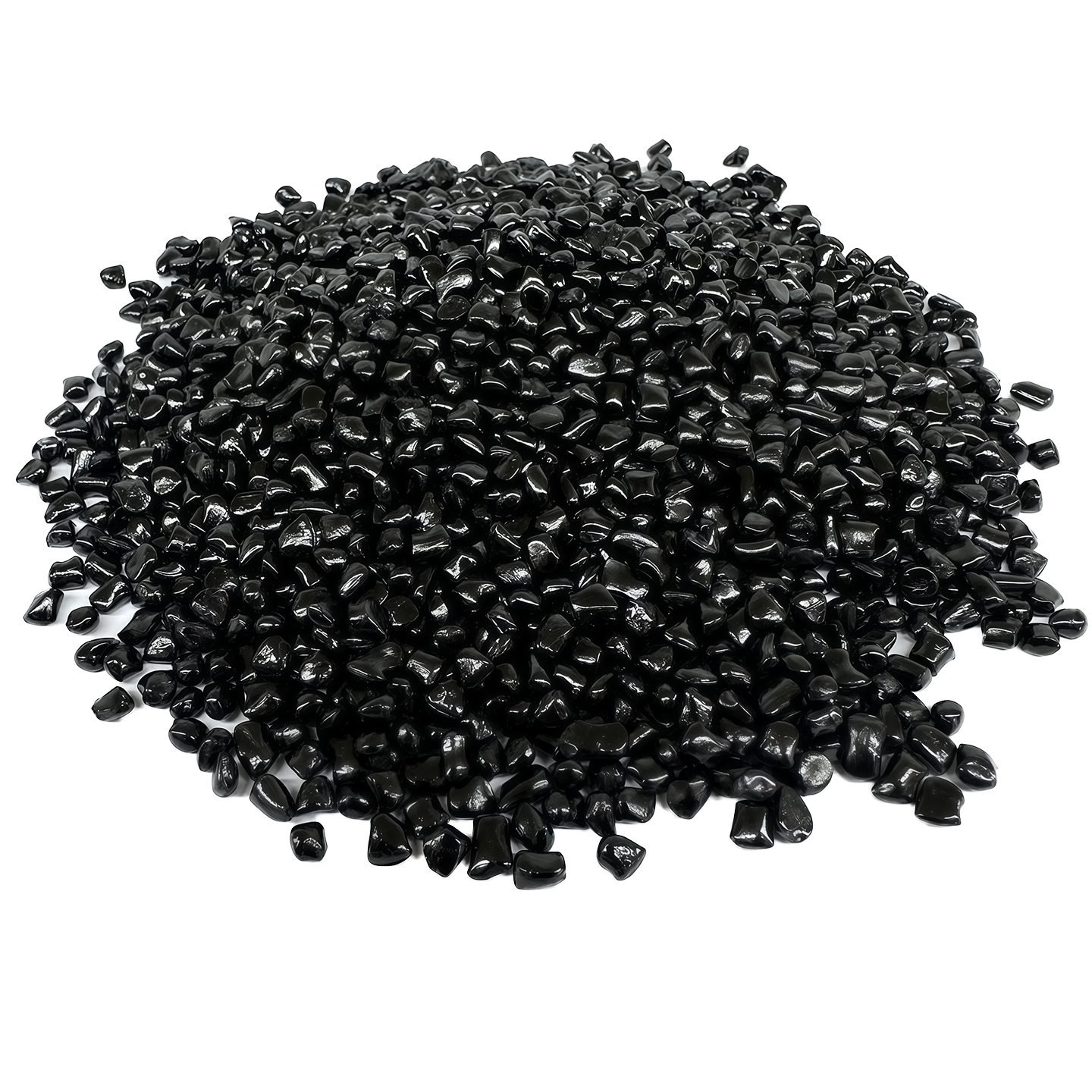
Structure-Enhanced SAN Black Masterbatch WM2A-WM2A
Structure-Enhanced SAN Black Masterbatch WM2A
Introduction WM2A is produced by high-pigment carbon black with AS as carrier and special dispersion agent. Its carbon black is stable and blue-shape grade. Suitable for ABS PC high glossy injection materials, also PPO PPS PA PET etc. thermoplastic ...
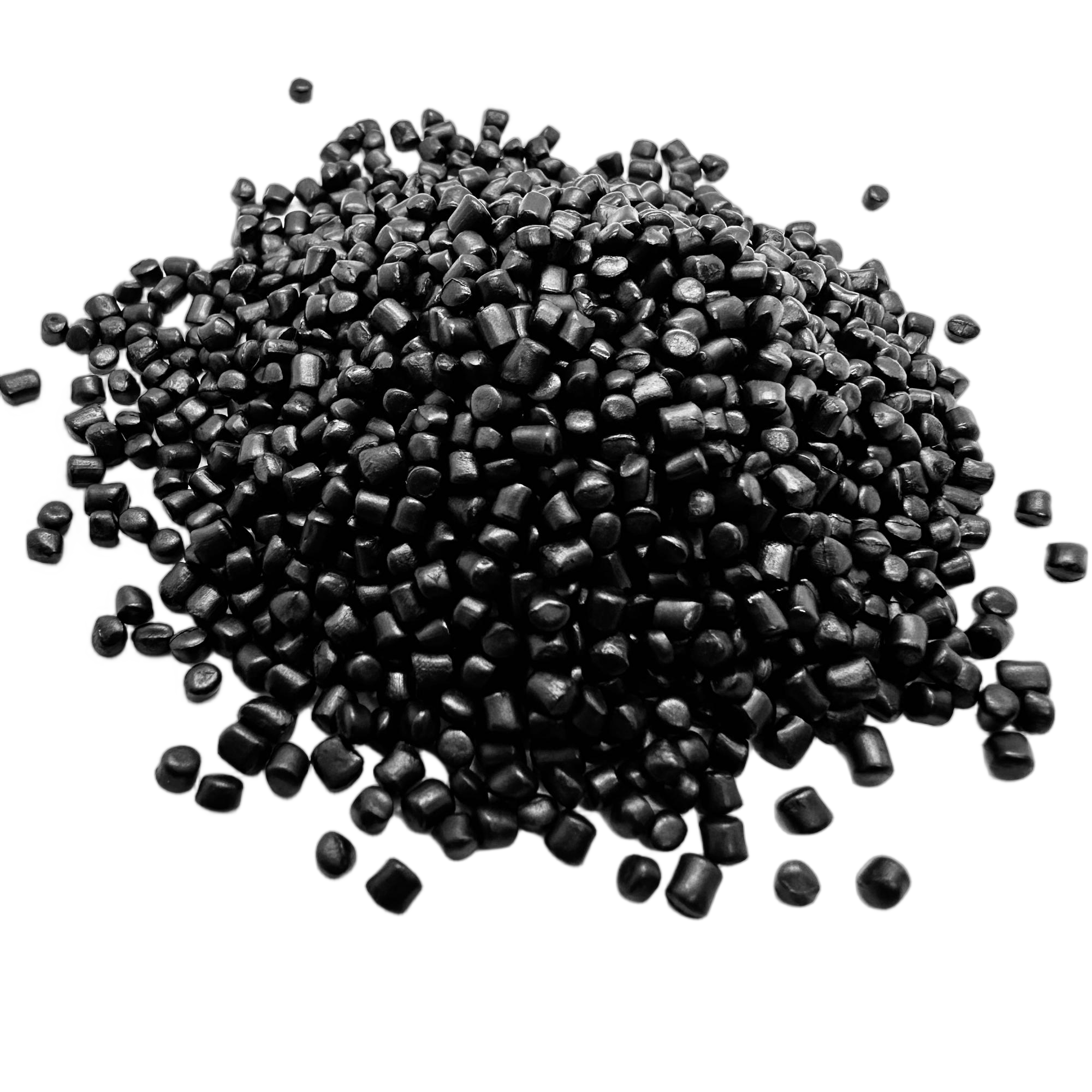
Structure-Enhanced PS Black Masterbatch WM626-WM626
Structure-Enhanced PS Black Masterbatch WM626
Introduction WM626 is produced by unique process in which carbon black is pre-dispersed, then compounded with the basic resin through plastication. It is widely used in extrusion and injection applications. Suitable for HIPS materials. It features lo...
Structure-Enhanced PC Black Masterbatch WM6245-WM6245
Structure-Enhanced PC Black Masterbatch WM6245
Introduction WM6245 is produced by unique process in which carbon black is pre-dispersed, then compounded with the basic resin through plastication. It is widely used in extrusion and high glossy injection applications. Suitable for PC ABS/PC materia...
Universal Environmentally Resistant Black Masterbatch WM72-WM72
Universal Environmentally Resistant Black Masterbatch WM72
Introduction WM72 is produced by unique process in which carbon black is pre-dispersed, then compounded with the basic resin through plastication. It is widely used in film blowing and injection applications. Suitable for PP and PE materials. It fea...
Enhanced UV Protection Black Masterbatch WM3F-WM3F
Enhanced UV Protection Black Masterbatch WM3F
Introduction WM3F is produced by unique process in which carbon black is pre-dispersed, then compounded with the basic resin through plastication. It is widely used in water supply pipe,drip irrigation pipe,corrugated pipe and film blowing applicati...
Environmentally Resistant Black Masterbatch WM3E-WM3E
Environmentally Resistant Black Masterbatch WM3E
Introduction WM3E is produced by unique process in which carbon black is pre-dispersed, then compounded with the basic resin through plastication. It is widely used in water supply pipe,drip irrigation pipe,corrugated pipe and film blowing applicati...
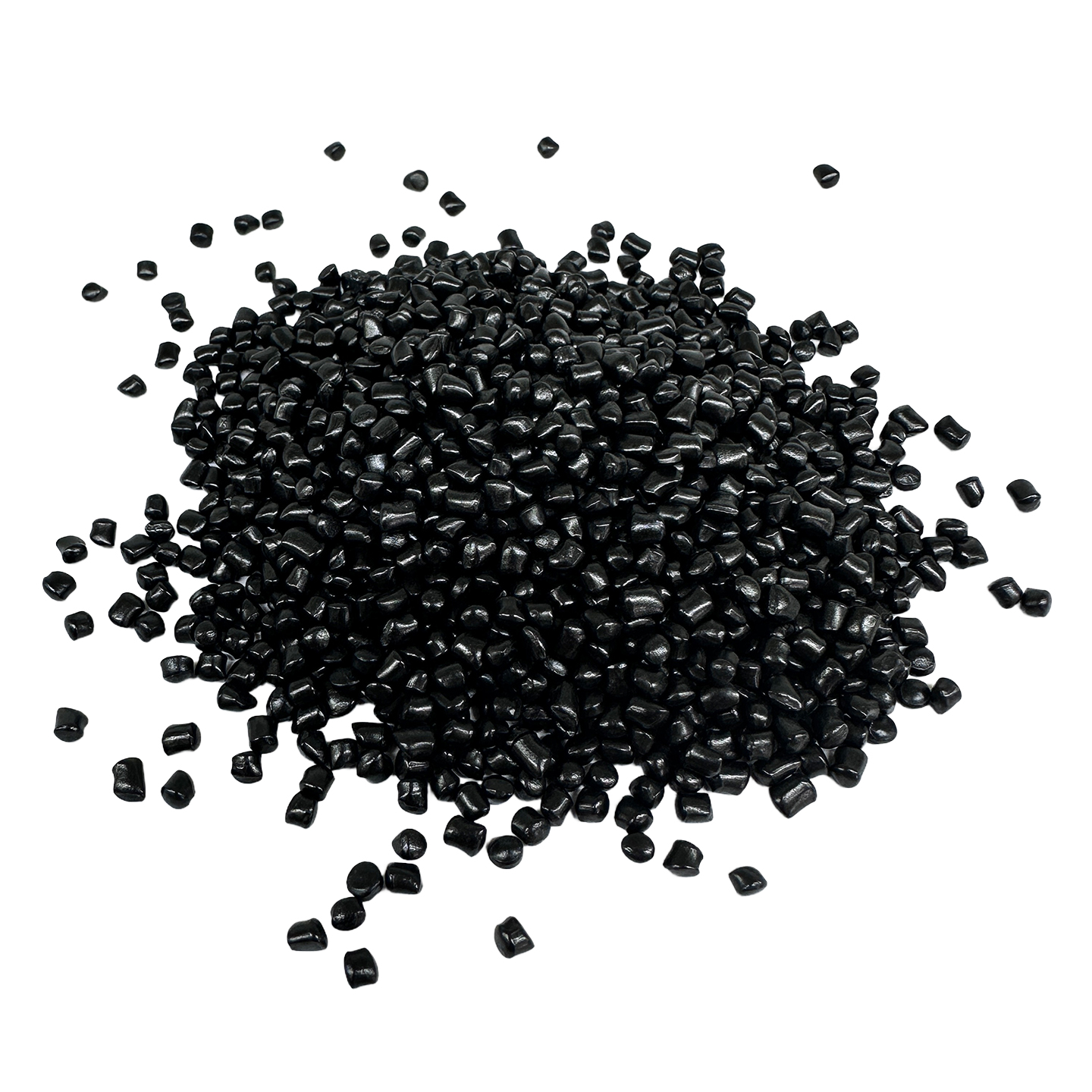
General Low Carbon Black Masterbatch WME1-WME1
General Low Carbon Black Masterbatch WME1
Introduction WME1 is produced by unique process in which carbon black is pre-dispersed, then compounded with the polymer additive through plastication. It is widely used in injection, extrusion pipe and blow film applications. It features low dosage...
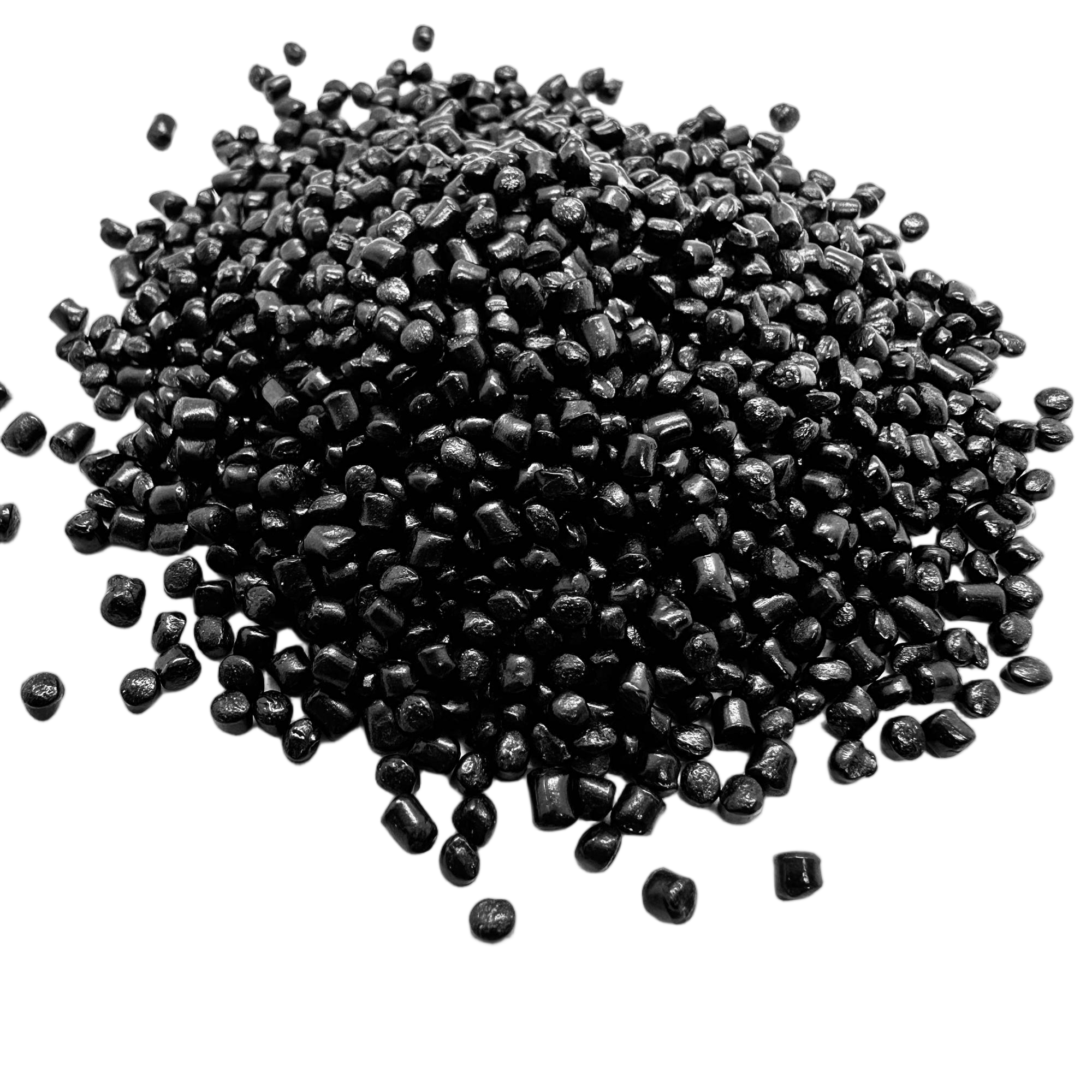
Weather-Resistant Black Filler Masterbatch WM307-WM307
Weather-Resistant Black Filler Masterbatch WM307
Introduction WM307 is produced by unique process in which carbon black is pre-dispersed, then compounded with the basic resin through plastication. It is widely used in injection, blow film and compounding applications. Suitable for PP, PE materials...
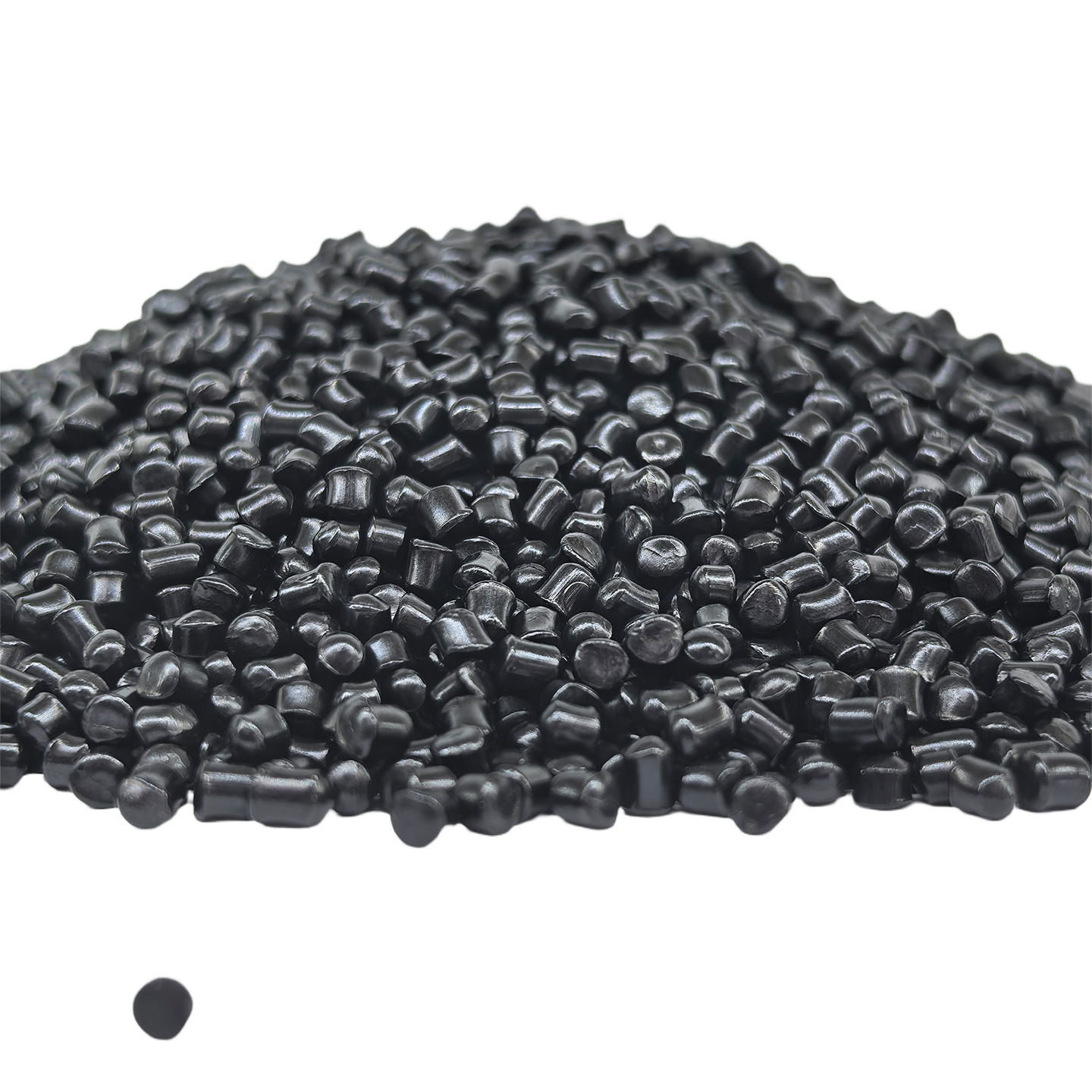
Durable Black Environmentally Friendly Functional Masterbatch WM30-WM30
Durable Black Environmentally Friendly Functional Masterbatch WM30
Introduction WM30 is produced by unique process in which carbon black is pre-dispersed, then compounded with the basic resin through plastication. It is widely used in injection, modified compounding, pipe & sheet applications. Suitable for PP ,PE a...
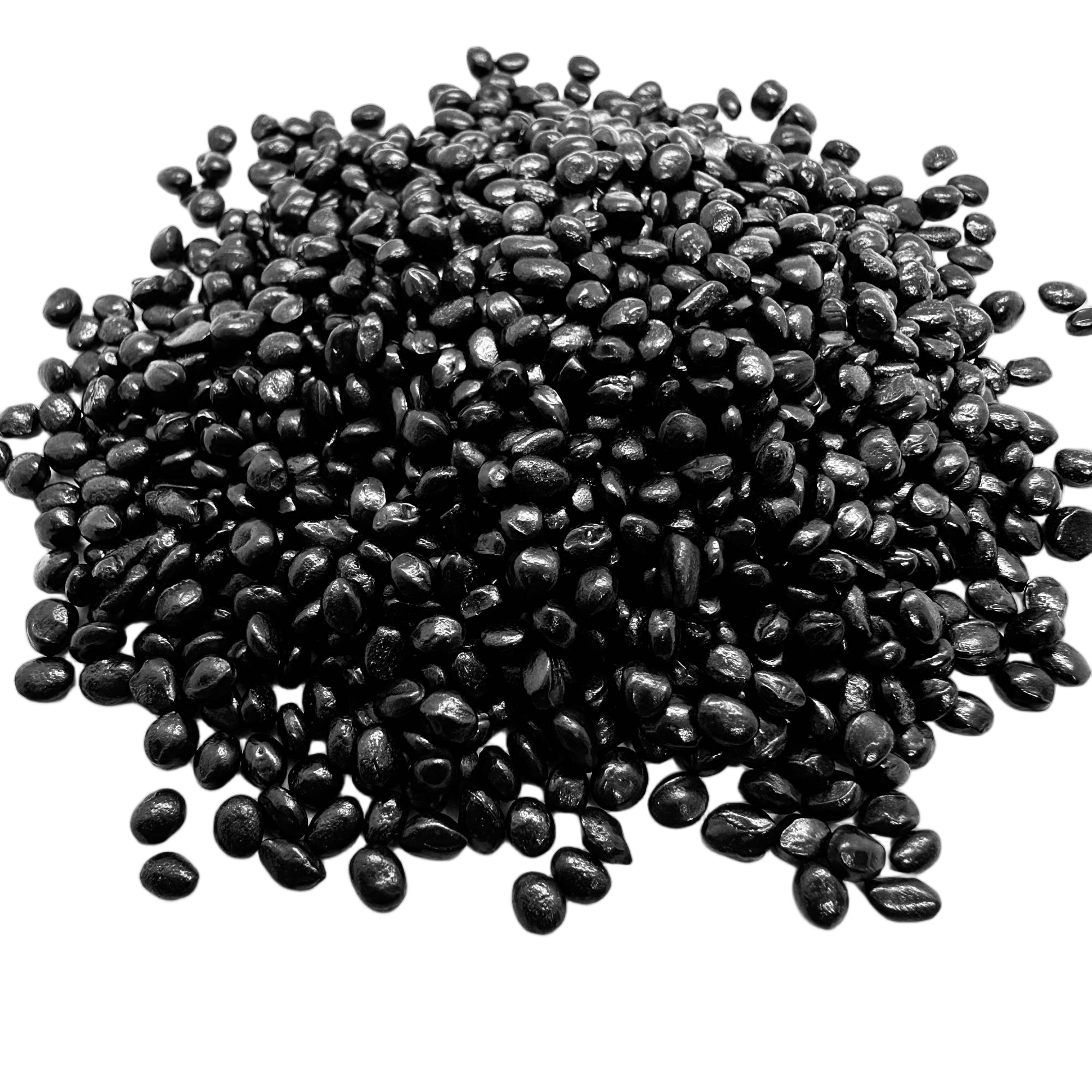
Environmentally Friendly Black Masterbatch WM101-WM101
Environmentally Friendly Black Masterbatch WM101
Introduction WM101 is produced by polymer additive with pre-dispersed carbon black , then compounded with the basic resin through plastication. It is widely used in injection, pipe, blow film applications. It features low dosage, high blackness, goo...
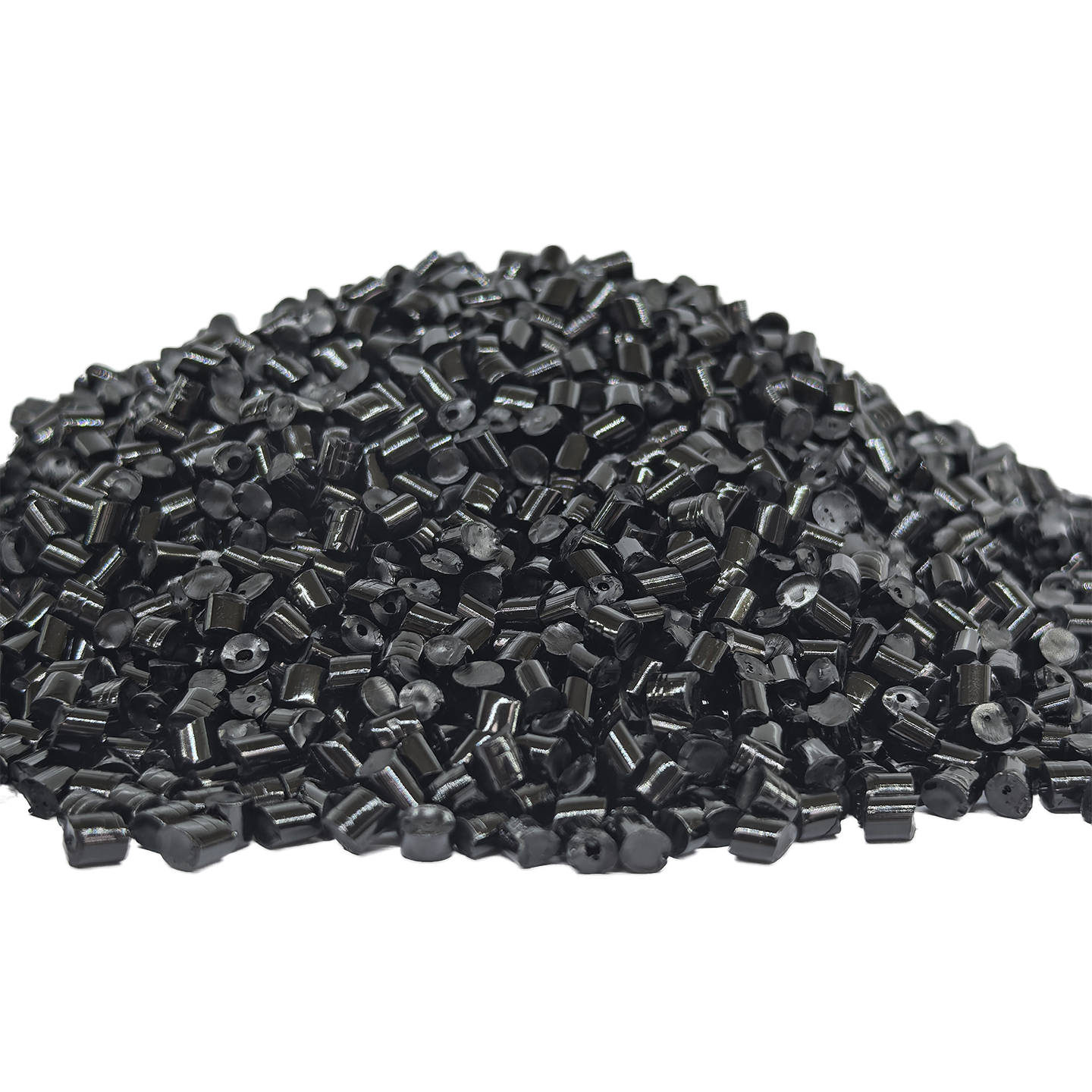
Black Masterbatch WMF3-WMF3
Black Masterbatch WMF3
Product Original Image Grade: Black Masterbatch WMF3 Carbon: 27-30% Carrier: PE Dispersion: Good Compliance: RoHS, REACH Original Image of Finished Product Applications: Blow Film(garbage bags)/ Conduit/ Injection parts / Extrusion parts Color...
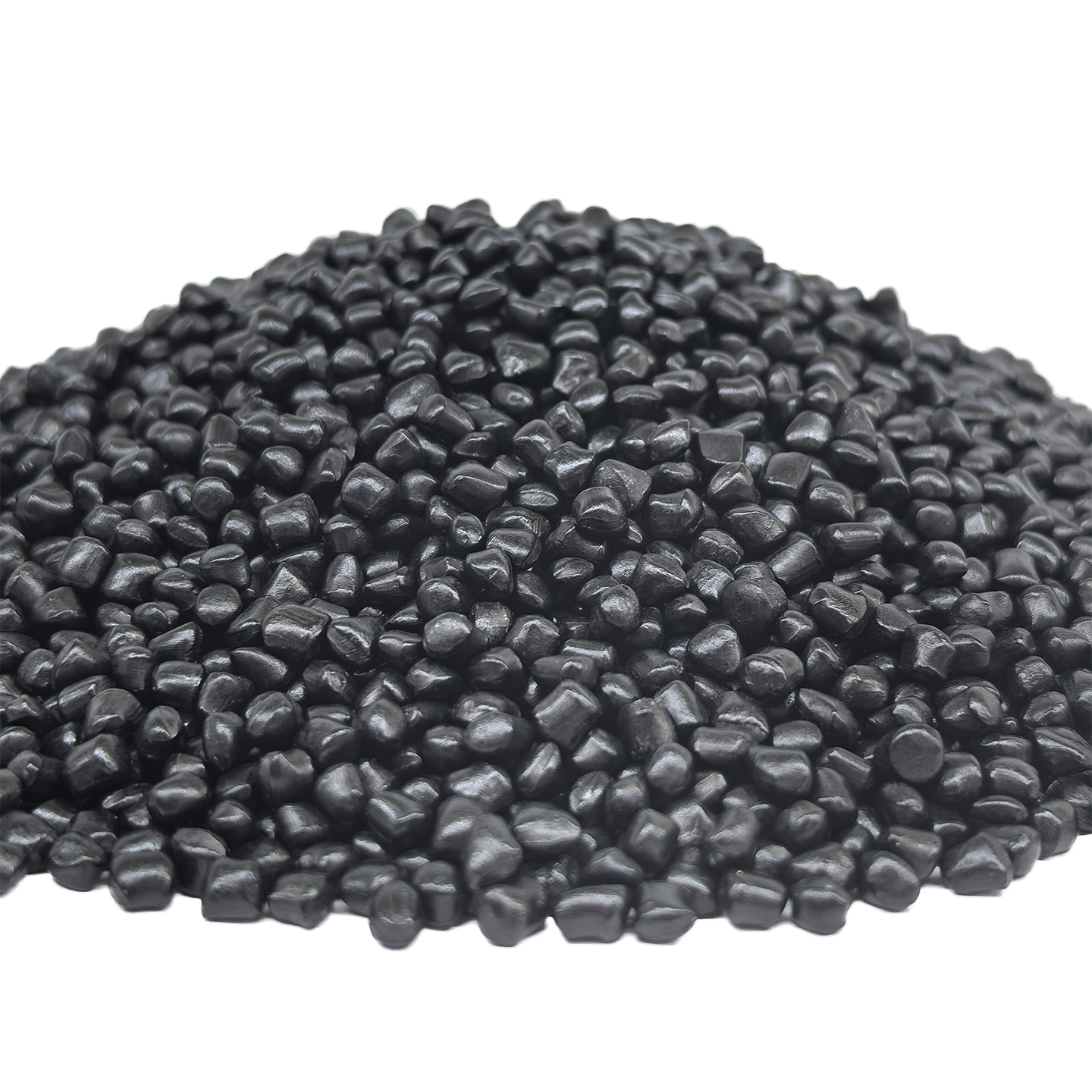
High Concentration Environmentally Friendly Filled Black Masterbatch WM8E-WM8E
High Concentration Environmentally Friendly Filled Black Masterbatch WM8E
Introduction WM8E is produced by unique process in which carbon black is pre-dispersed, then compounded with the basic resin through plastication. It is widely used in film blowing , blowing plastic and injection applications. Suitable for PP and PE...
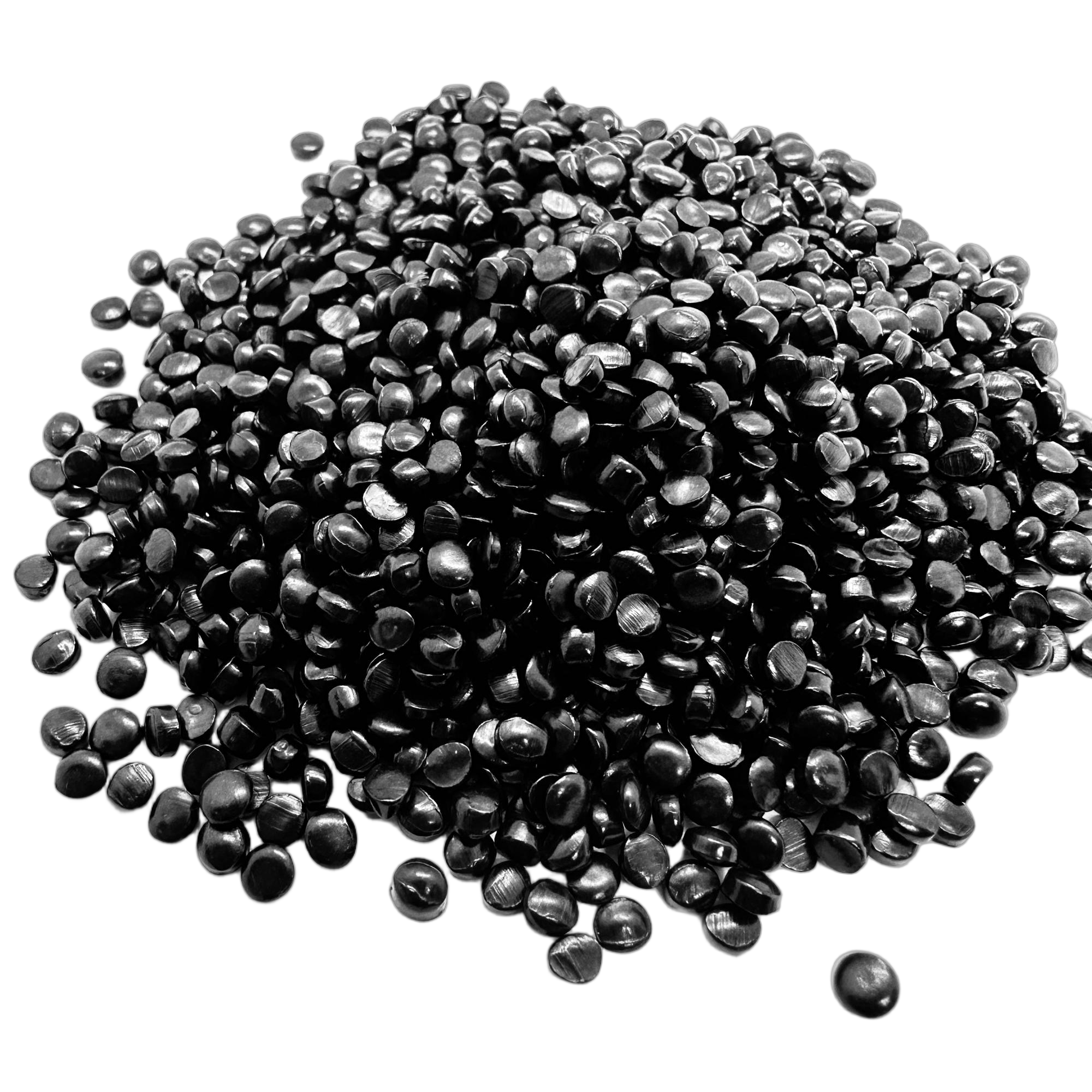
Universal Courier bag Extrusion Black Masterbatch WM2ADM-WM2ADM
Universal Courier bag Extrusion Black Masterbatch WM2ADM
Introduction WM2ADM is produced by unique process in which carbon black is pre-dispersed, then compounded with the basic resin through plastication. It is widely used in film blowing , blowing plastic and fiber applications. Suitable for PP and PE m...
Stable Dispersion & Excellent Hiding Concentrated Mulch Black Masterbatch WMULCH-1-WMULCH-1
Stable Dispersion & Excellent Hiding Concentrated Mulch Black Masterbatch WMULCH-1
Introduction Mulch film is judged in the field, not in the warehouse. By the time a roll reaches the bed former, three things have already decided how the film will behave for the rest of the season: how much carbon black is genuinely in the film, ...
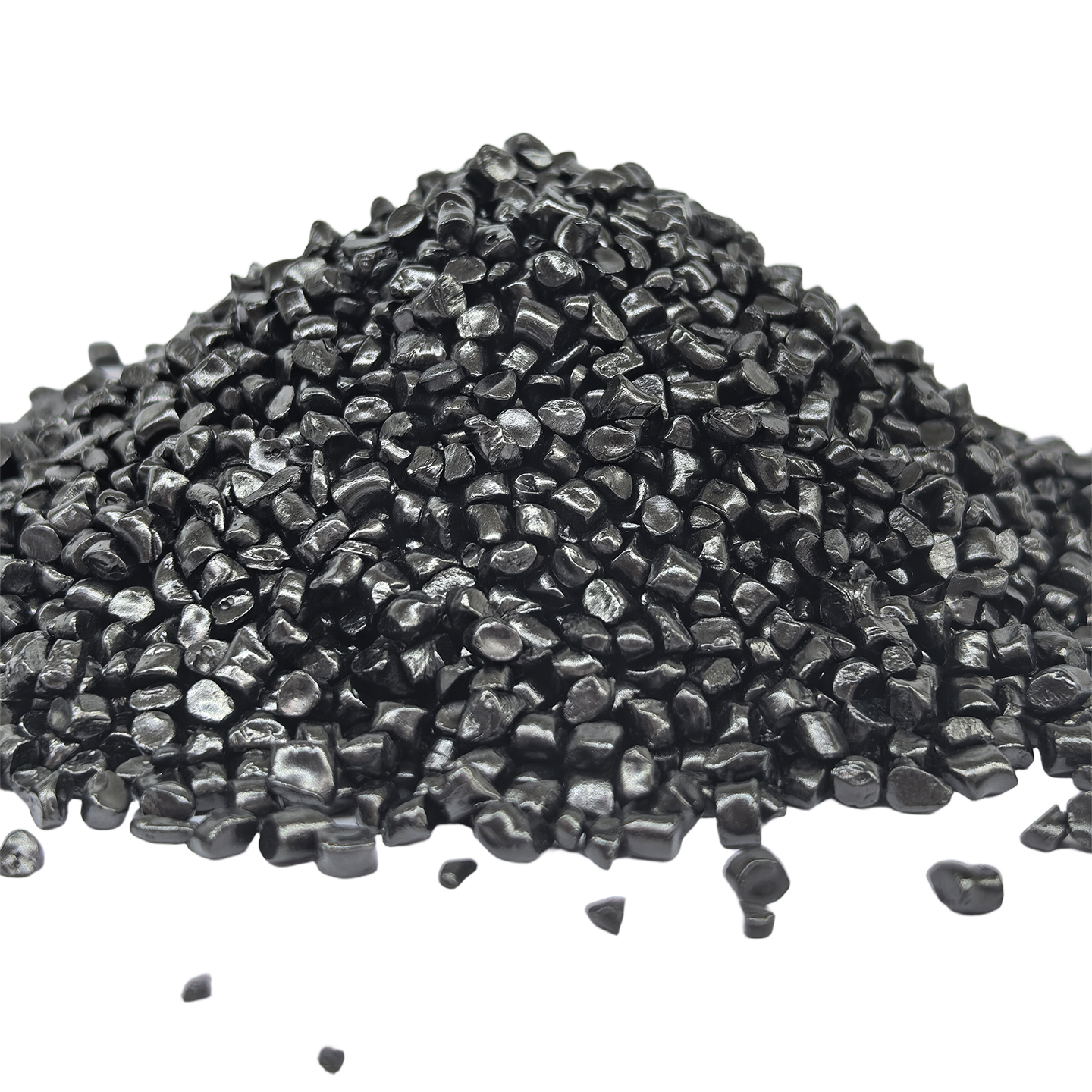
High Concentration Carrier-Free Black Masterbatch WMB34-WMB34
High Concentration Carrier-Free Black Masterbatch WMB34
Introduction WMB34 is produced by unique process in which carbon black is pre-dispersed, then compounded with the basic resin through plastication. It is widely used in injection and modified compounding applications. Suitable for PP PE ABS PA+GF...
Strong And High Pigment Black Masterbatch WM913-WM913
Strong And High Pigment Black Masterbatch WM913
Introduction WM913 is produced by pre-dispersed carbon black with polymer additive, then compounded through plastication. It is widely used in modified compounding applications. Suitable for PP PE ABS PPR ABS HIPS materials. It features low dosage...
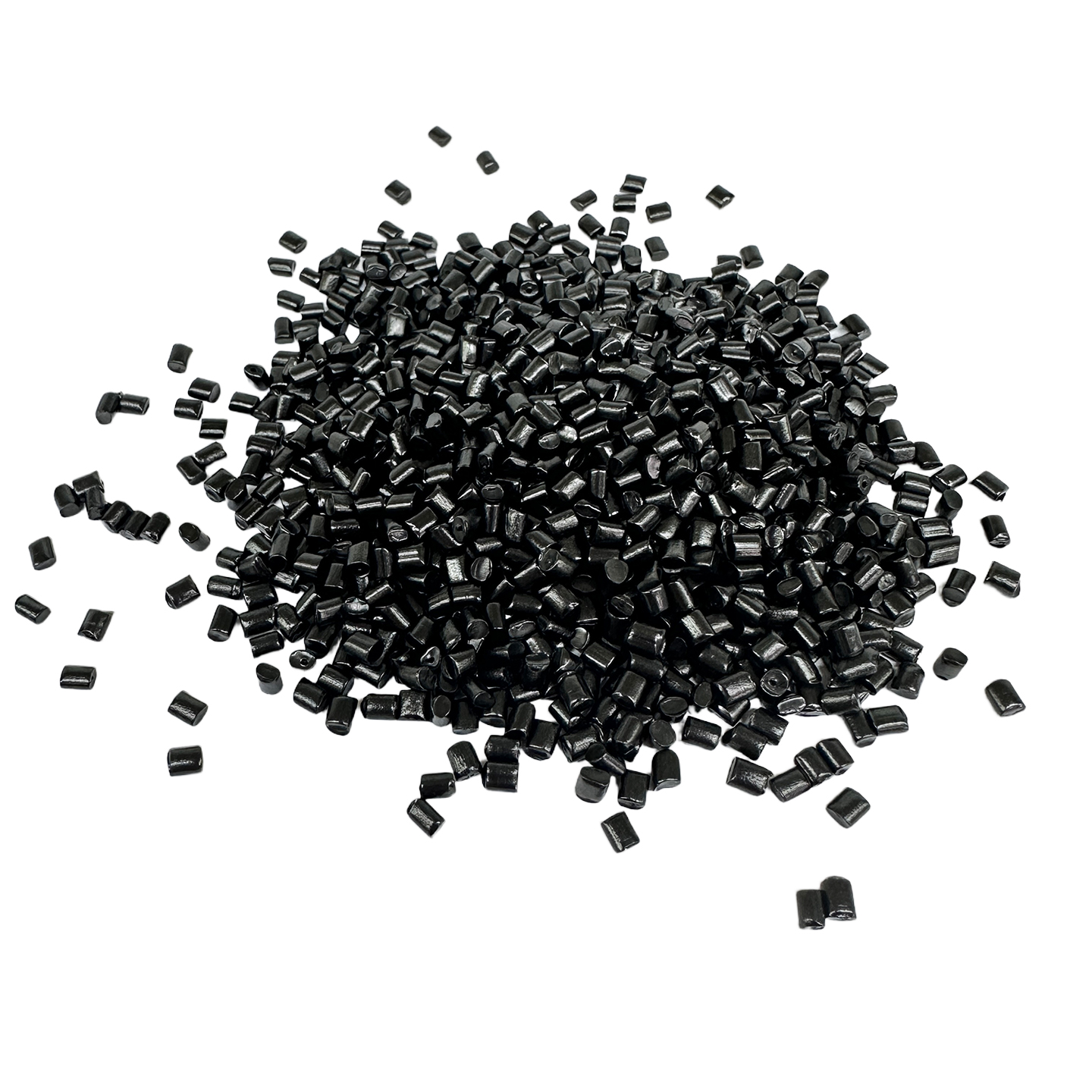
BPA Free & Low Volatile Environmentally Friendly Interior Black Masterbatch WMEG11-WMEG11
BPA Free & Low Volatile Environmentally Friendly Interior Black Masterbatch WMEG11
Introduction WMEG11 is produced by unique process in which carbon black is pre-dispersed, then compounded with the basic resin through plastication. It is widely used in modified compounding and injection applications. Suitable for PP and PE materi...
BPA Free & LFGB Approved food grade Black Masterbatch WMB56-WMB56
BPA Free & LFGB Approved food grade Black Masterbatch WMB56
Introduction WMB56 is produced by unique process in which carbon black is pre-dispersed, then compounded with the basic resin through plastication. It is widely used in injection and extrusion sheet applications. Suitable for ABS AS and PC materials...
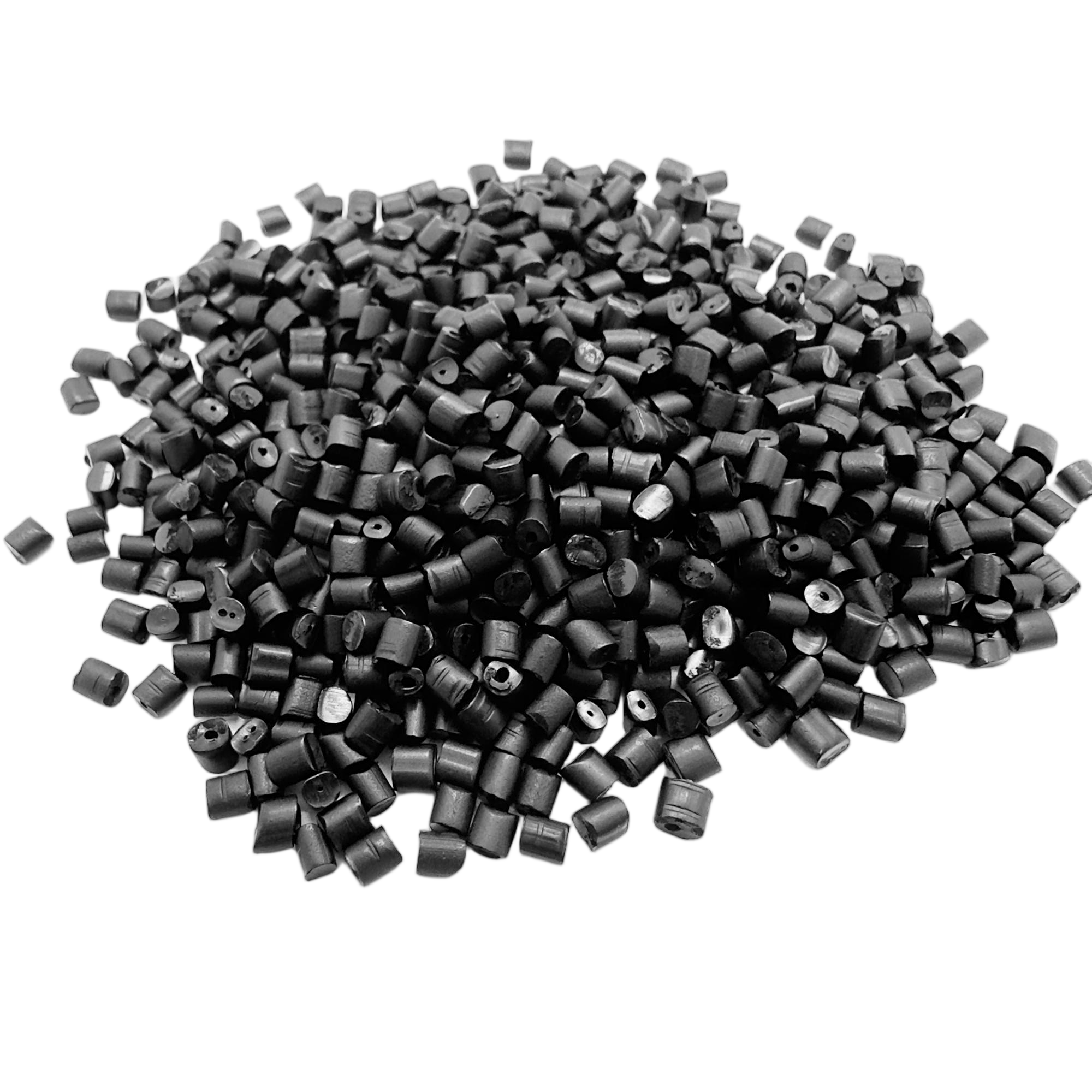
Strong And High Pigment PP Black Masterbatch WM785D-WM785D
Strong And High Pigment PP Black Masterbatch WM785D
Introduction WM785D is produced by unique process in which carbon black is pre-dispersed, then compounded with the basic resin through plastication. It is widely used in modified compounding and injection applications. Suitable for PP and PE materia...
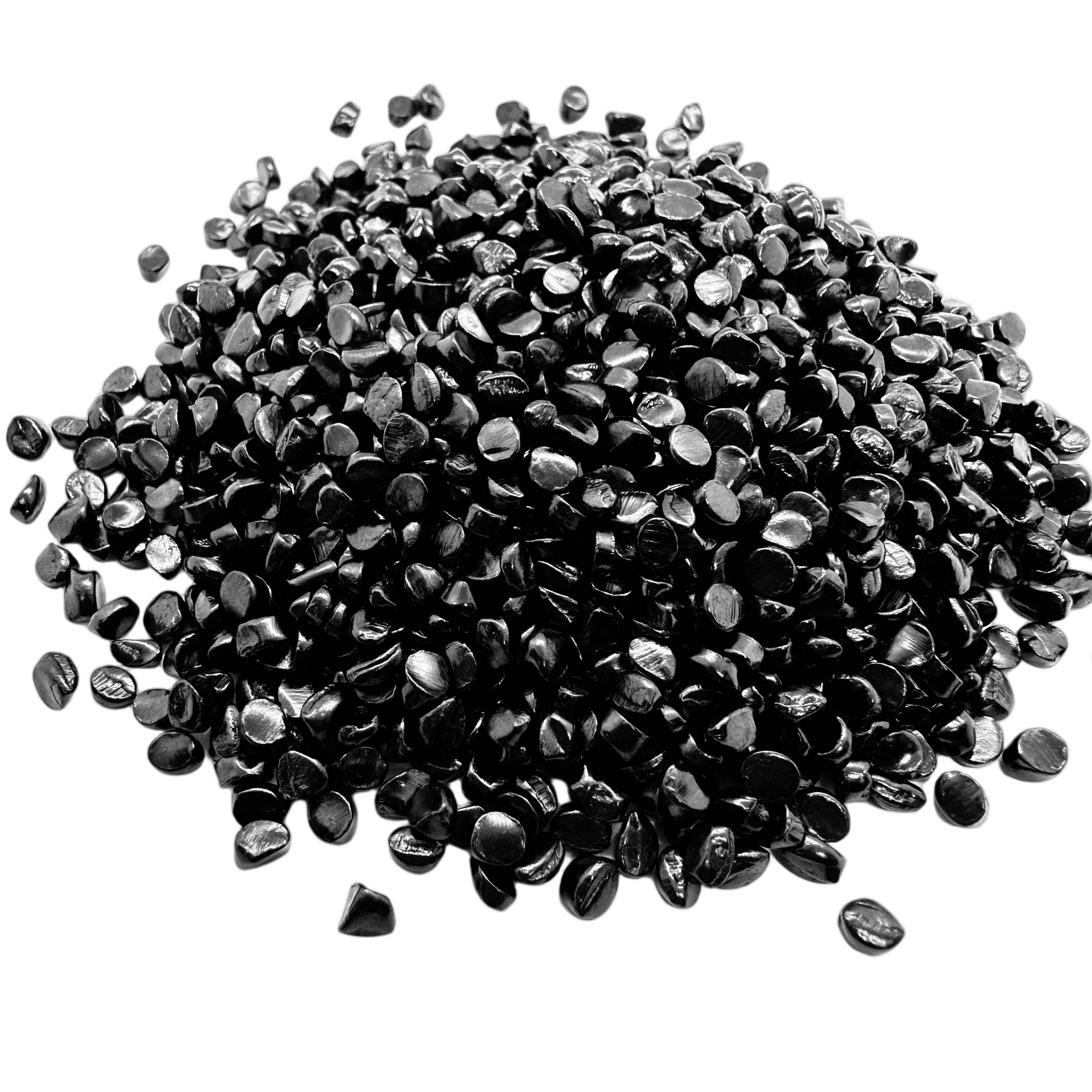
Injection Molding Reinforced Black Masterbatch WM16H (UN2014) -WM16H
Injection Molding Reinforced Black Masterbatch WM16H (UN2014)
Introduction WM16H is produced by pre-dispered carbon black, and then compounded with basic resin. It is widely used in ABS, PC/AS high glossy injection and modifiled compounding applications. Suitable for PP PE PC/ABS GPPS POM GPPS PA+GF materials....
Structure-Enhanced SAN Black Masterbatch WM2A-WM2A
Structure-Enhanced SAN Black Masterbatch WM2A
Introduction WM2A is produced by high-pigment carbon black with AS as carrier and special dispersion agent. Its carbon black is stable and blue-shape grade. Suitable for ABS PC high glossy injection materials, also PPO PPS PA PET etc. thermoplastic ...
Structure-Enhanced PS Black Masterbatch WM626-WM626
Structure-Enhanced PS Black Masterbatch WM626
Introduction WM626 is produced by unique process in which carbon black is pre-dispersed, then compounded with the basic resin through plastication. It is widely used in extrusion and injection applications. Suitable for HIPS materials. It features lo...
Structure-Enhanced PC Black Masterbatch WM6245-WM6245
Structure-Enhanced PC Black Masterbatch WM6245
Introduction WM6245 is produced by unique process in which carbon black is pre-dispersed, then compounded with the basic resin through plastication. It is widely used in extrusion and high glossy injection applications. Suitable for PC ABS/PC materia...
Universal Environmentally Resistant Black Masterbatch WM72-WM72
Universal Environmentally Resistant Black Masterbatch WM72
Introduction WM72 is produced by unique process in which carbon black is pre-dispersed, then compounded with the basic resin through plastication. It is widely used in film blowing and injection applications. Suitable for PP and PE materials. It fea...
Enhanced UV Protection Black Masterbatch WM3F-WM3F
Enhanced UV Protection Black Masterbatch WM3F
Introduction WM3F is produced by unique process in which carbon black is pre-dispersed, then compounded with the basic resin through plastication. It is widely used in water supply pipe,drip irrigation pipe,corrugated pipe and film blowing applicati...
Environmentally Resistant Black Masterbatch WM3E-WM3E
Environmentally Resistant Black Masterbatch WM3E
Introduction WM3E is produced by unique process in which carbon black is pre-dispersed, then compounded with the basic resin through plastication. It is widely used in water supply pipe,drip irrigation pipe,corrugated pipe and film blowing applicati...
General Low Carbon Black Masterbatch WME1-WME1
General Low Carbon Black Masterbatch WME1
Introduction WME1 is produced by unique process in which carbon black is pre-dispersed, then compounded with the polymer additive through plastication. It is widely used in injection, extrusion pipe and blow film applications. It features low dosage...
Weather-Resistant Black Filler Masterbatch WM307-WM307
Weather-Resistant Black Filler Masterbatch WM307
Introduction WM307 is produced by unique process in which carbon black is pre-dispersed, then compounded with the basic resin through plastication. It is widely used in injection, blow film and compounding applications. Suitable for PP, PE materials...
Get Your Free Sample Now
Submit this form and our sales representative will contact you soon.

Contact Us
Tel: +86 757 8118 6668/+86 139 2320 6383
Sales Hotline: +86 139 2320 6383
Address: No. 55, Yong'an Avenue, Guanyao, Shishan Town, Nanhai District, Foshan City, Guangdong Province, China.
Inquire
Copyright © 2026 Guangdong Jolink Technology Co., Ltd.